

Audio By Carbonatix
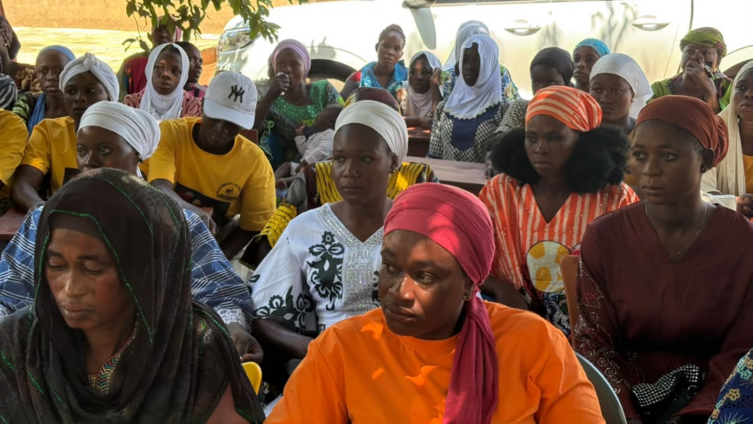
More than 90 youth apprentices and master craftspersons in the Wa East District have received sets of industrial machines, starter tools, and training kits to kick-start their skills acquisition under the government’s National Apprenticeship Programme (NAP).
The distribution forms the first phase of the rollout in the district, where 130 beneficiaries have been enrolled to undergo practical training in vocations spanning fashion design, garment making, hairdressing, cosmetology, welding and fabrication, and mechanical repairs.
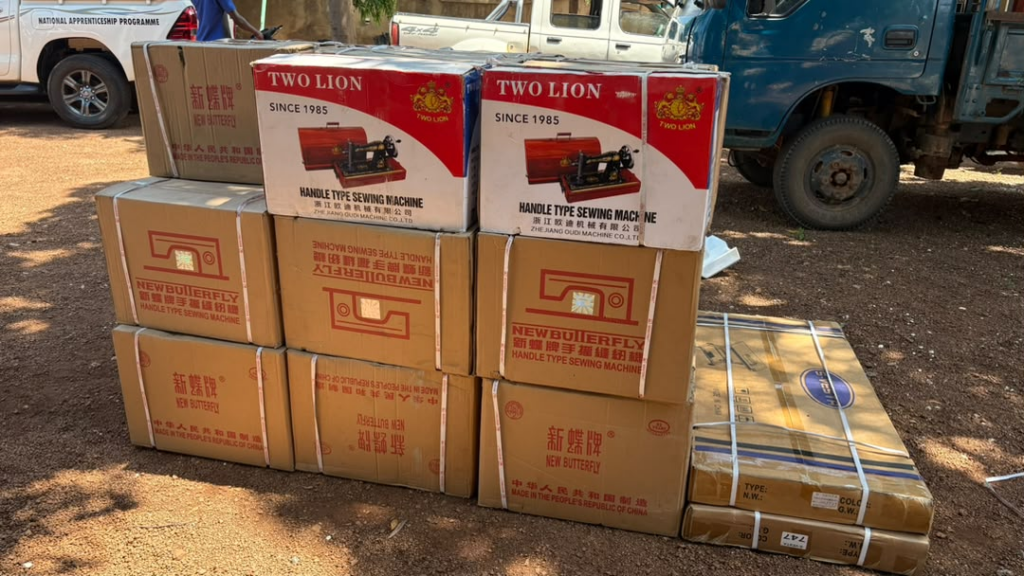
Under the package, master garment makers received heavy-duty industrial sewing machines and knitting (overlock) machines to retool their private workshops into community training hubs. Apprentices in the garment sector received 50 manual hand-sewing machines to facilitate hands-on learning, while the hairdressing cohort took delivery of eight salon hair dryers, sets of hair rollers and styling comb kits.
Speaking at the presentation ceremony, Member of Parliament for Wa East, Dr Godfred Seidu Jasaw, underscored the importance of vocational skills in combating youth unemployment across the country.
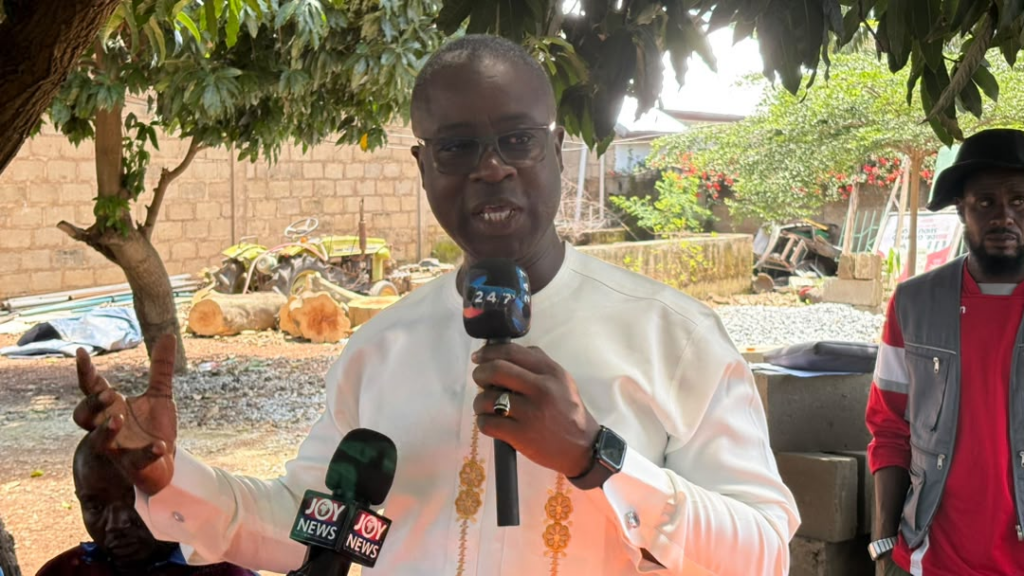
“As a country, one of the critical headaches we have is our human resource. One of the challenges eating us up is unemployment, driven largely by the low level of practical skills. University education and other academic models have proven inadequate on their own in solving the unemployment crisis. That is why skills training becomes a critical entry point,” Dr Jasaw stated.
He explained that the initiative fulfils a core campaign pledge made during the 2024 general elections to equip informal sector workers to achieve economic independence.
Dr Jasaw cautioned beneficiaries that the machinery supplied to the master craftspersons belongs to the institutional training centres rather than individual owners, tasking them to maintain the tools properly to ensure future cohorts also benefit.
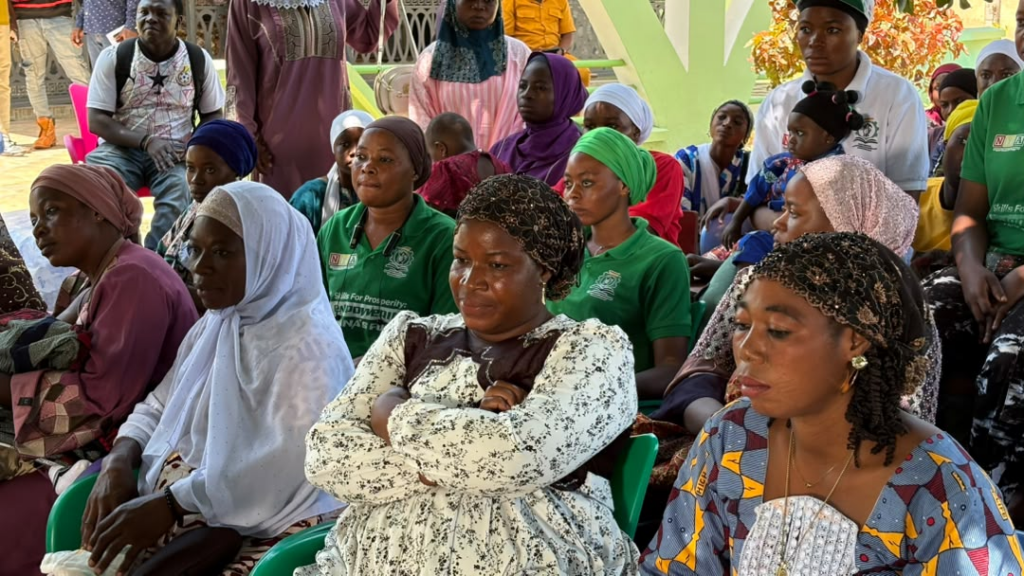
The MP also revealed that master craftspersons are compensated per apprentice, while beneficiaries receive monthly upkeep stipends for personal care items to eliminate barriers to completion.
He noted that technical bottlenecks related to Ghana Card authentication and payment processing are being resolved.
Corroborating the MP’s position, the District Chief Executive (DCE) for Wa East, Adamu Sayibu, described the intervention as tangible evidence of political commitment to the economic welfare of rural youth.
“We promised the people of Ghana, especially the youth, that once voted into power, skills training would become our topmost priority. President John Dramani Mahama and our Member of Parliament share a deep commitment to this cause. The beneficiaries must not take this lightly; you must care for these machines so that when you complete, your younger brothers and sisters can also benefit,” the DCE urged.
Presenting the modalities, Upper West Regional NAP Coordinator and NDC Regional Deputy Youth Organiser, Joseph Sungbuobu Banye, indicated that 90 out of the 130 enrolled apprentices were catered for in the initial distribution, with the remaining 40 in welding, fabrication and other trades slated to receive their equipment shortly.
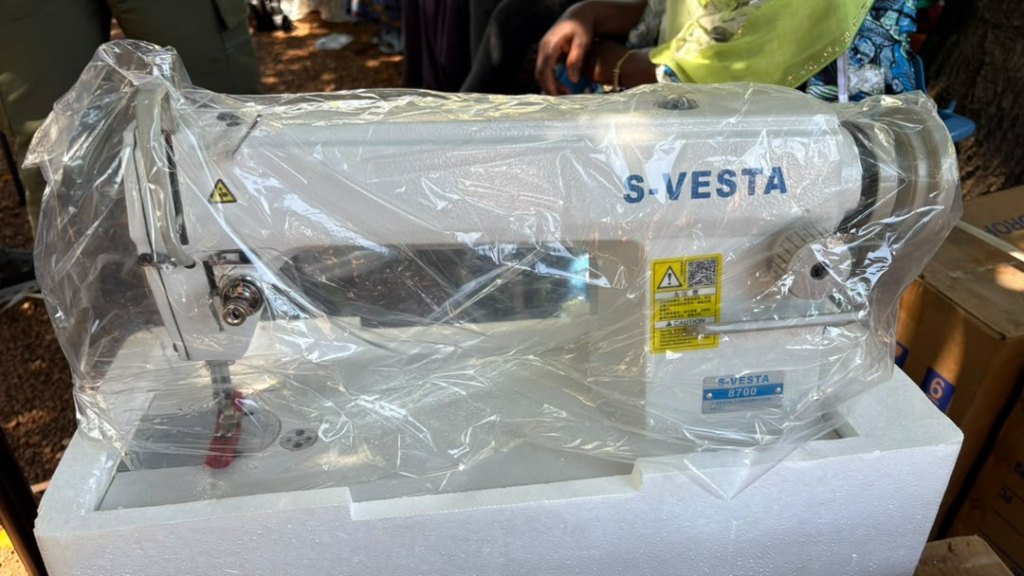
Mr Banye used the platform to issue a stern caution against criminal syndicates preying on artisanal networks.
“Scammers have been calling masters and apprentices, demanding mobile money transfers under the guise of delivering equipment. Neither the NAP Secretariat, the MP nor the DCE will ever call anyone to send cash via MoMo. All tools and kits provided under this initiative are entirely free,” Mr Banye warned.
The intervention elicited praise from master craftspersons in the district.
Mondi Nathalia, a master hairdresser, described the support as a transformative eye-opener for informal artisans in Wa East.
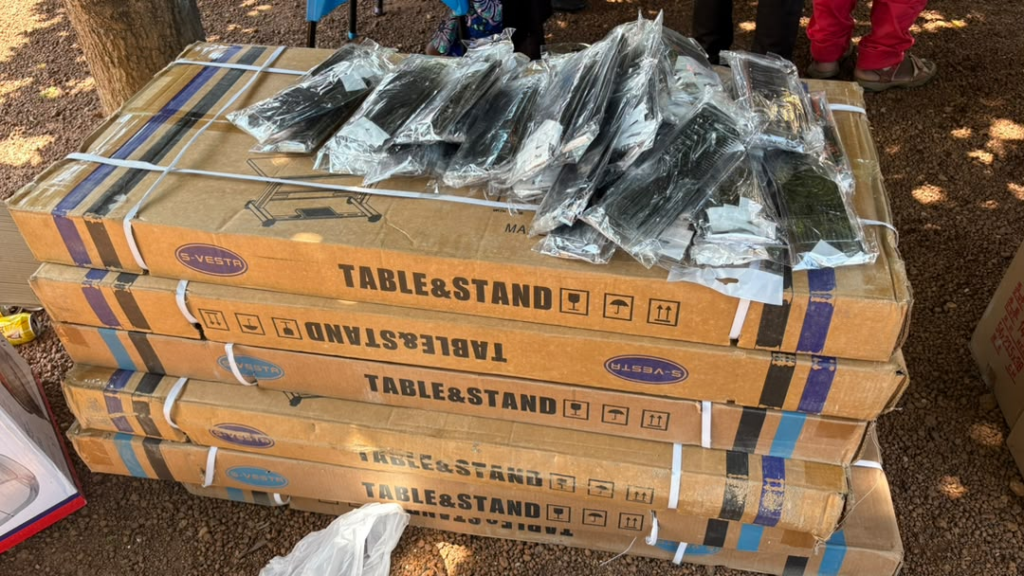
Similarly, master tailor Musah Fuseini expressed appreciation to the government, commending President Mahama and local leaders for targeting informal workers who often lack the capital to retool their enterprises.
The National Apprenticeship Programme forms part of broader social interventions aimed at reducing underemployment by absorbing youth into structured artisanal training, with starter capital and certification upon graduation.
Latest Stories
-
MamaCare CEO warns unresolved conflicts among health workers could undermine maternal and neonatal care
10 minutes -
Health professionals urged to translate medical knowledge into practice to save mothers
17 minutes -
Conflicts among care providers linked to maternal, neonatal deaths – Expert
2 hours -
GIS marks 10th TIME conference, champions improved teaching practices
2 hours -
BRICS Or Balance? What Ghana’s bid really means
2 hours -
GPRTU wants full TRAFFITECH-GH implementation to start in 2027
3 hours -
Mahama announces plans to import electric wheelchairs for PWDs
3 hours -
KGL U17 Colts 2026: Western beat Prempeh Elite Academy to set up final final with Greater Accra Region
3 hours -
Late Solanke strike salvages 10-man Spurs draw at Man United
3 hours -
Gender Ministry to monitor welfare of Nana Akua Addo’s children amid domestic violence case
3 hours -
Benedict Okyere Yeboah: Ghana’s football problem goes beyond sacking a coach
4 hours -
GPL 2026/27: Darkwah Wiafe’s winner sees All Blacks beat Kotoko
4 hours -
ITF World Tour : Patel Wins Boys’ Singles Final at J100 Accra
4 hours -
Ghana must pursue BRICS partnership if it brings economic benefits – Kpebu
4 hours -
Success and Wright Claims J100 Accra Girls’ Doubles Championship
4 hours