

Audio By Carbonatix
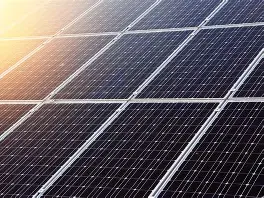
Parliament is set to lead by example in Ghana’s transition to renewable energy with plans to install solar panels at the parliamentary enclave as part of efforts to promote clean energy adoption across Ghana.
The initiative would demonstrate Parliament’s commitment to sustainable energy while encouraging constituencies nationwide to embrace renewable energy solutions.
Chair of the Committee on Environment, Science, and Technology Yaw Addo Frimpong, who was speaking at the Ghana Green Investment Dialogue in Accra, said the country must move “from awareness to action” in addressing energy challenges and accelerating investments in clean energy infrastructure.
The workshop, organised by the Climate Parliament in partnership with the United Nations Industrial Development Organisation (UNIDO) and the Parliament of Ghana, brought together policymakers, legislators, investors, financial institutions, and development partners to discuss strategies for mobilising green investment and climate finance.
Mr. Frimpong said, "There has been enough awareness creation about renewable energy and sustainability. The time has come for practical action.”
He said Parliament was prepared to support the passage of laws and regulations needed to create a favourable environment for renewable energy investments, particularly constituency-based energy projects.
Mr Frimpong noted that Ghana’s renewable energy transition required collaboration among government ministries, investors, financial institutions, and energy providers to mobilise resources for large-scale implementation.
The MP cited Zambia’s experience during its energy crisis, where legislators were allowed to use constituency development funds to invest in alternative energy projects in their communities.
He said the initiative enabled the Members of Parliament to establish small-scale renewable energy projects that helped to reduce pressure on the national electricity supply system.
“If such initiatives had been implemented earlier in Ghana, the impact of some of our past energy crises could have been reduced,” he said.
Mr Frimpong called for similar constituency-level renewable energy projects in Ghana to improve energy security, create jobs, and support sustainable development.
The Deputy Director for Renewable Energy and Green Transition at the Ministry of Energy and Green Transition, Dr. Robert Sogbadji, said Ghana had reached a critical stage where it must move beyond pilot renewable energy projects and policy frameworks towards large-scale implementation and bankable investment pipelines.
The government, he said, had already made significant progress through the Scaling-Up Renewable Energy Programme (SREP), which had enabled the installation of solar mini-grids in island and lakeside communities.
The mini-grid systems, he explained, were delivering clean and reliable electricity to thousands of previously underserved residents, powering homes, schools, health centres and productive economic activities such as agro-processing and small businesses.
Dr. Sogbadji noted that the renewable energy projects demonstrated the government’s commitment to inclusive energy access and climate-resilient development.
He disclosed that the Ministry was also preparing to roll out a national net-metering framework that would allow households and businesses with rooftop solar systems to feed excess electricity into the national grid.
Latest Stories
-
Education Minister calls for evidence-based response to learning crisis in West Africa
5 minutes -
NPA reaffirms regulatory support as Puma Energy deepens investment in LPG and CRM
7 minutes -
Ketu South NDC clears 73 aspirants for constituency elections
10 minutes -
We are with all flood victims – Hohoe MP
16 minutes -
Asharami Ghana commends NPA CEO Edudzi Tameklo for support towards LPG vessel arrival
22 minutes -
Finance Minister engages AGI, leaders ahead of 2027 Budget
28 minutes -
Enforce surcharges, modernise audits to curb GH¢100bn losses – Audit Service urged
36 minutes -
Six persons denied bail in 3.9-tonne alleged cocaine case
44 minutes -
Court jails man 25 months for setting three vehicles ablaze
53 minutes -
Miner jailed 24 months for stealing GH¢4,300
1 hour -
Father jailed for defiling 13-year-old daughter in Tarkwa
1 hour -
Prosperity Architecture: Drawing II – Organising institutions for shared prosperity
1 hour -
First female prime minister named in Morocco after winning elections
1 hour -
Burkina Faso’s junta leader opens major gold refinery to keep mining profits at home
2 hours -
Nigeria’s Ben Dancer completes 168-hour dance marathon, awaits Guinness verdict
2 hours