

Audio By Carbonatix
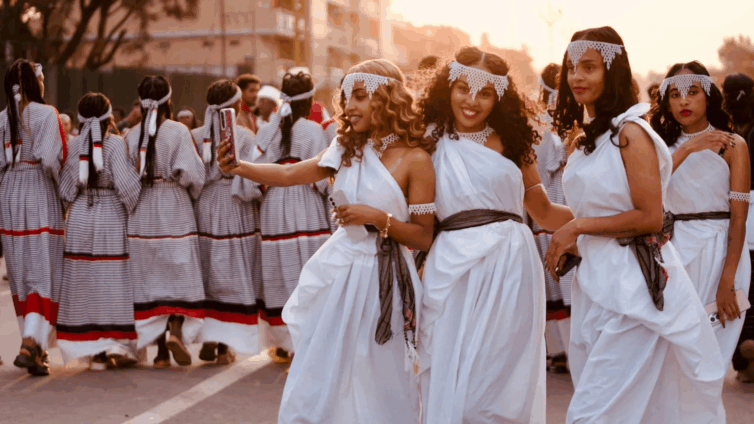
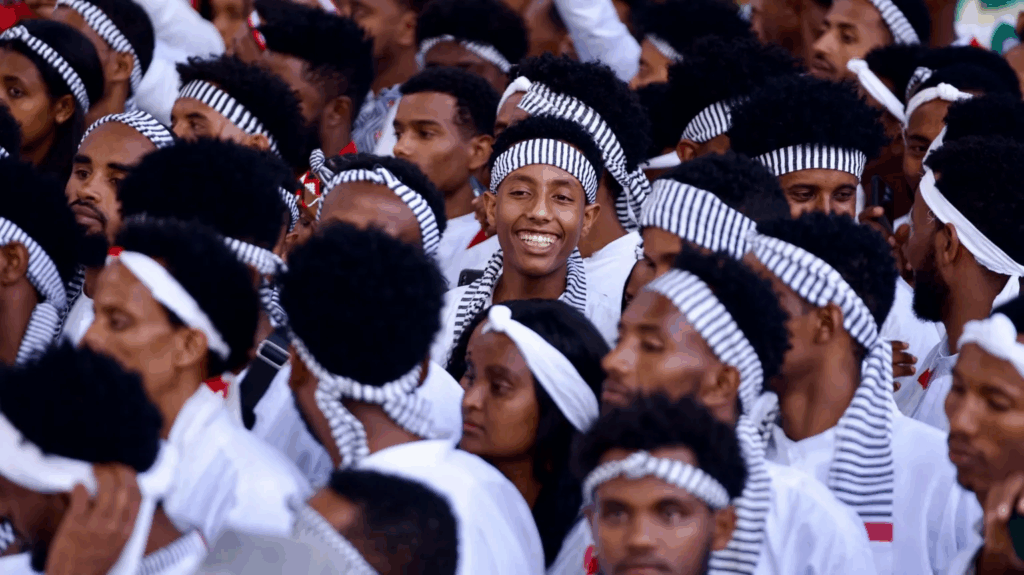
Tens of thousands of vibrantly dressed Ethiopians descended on downtown Addis Ababa for an annual thanksgiving festival this weekend.
Irreecha is celebrated by the Oromo, Ethiopia's largest ethnic group, and takes place at the end of the country's main rainy season.
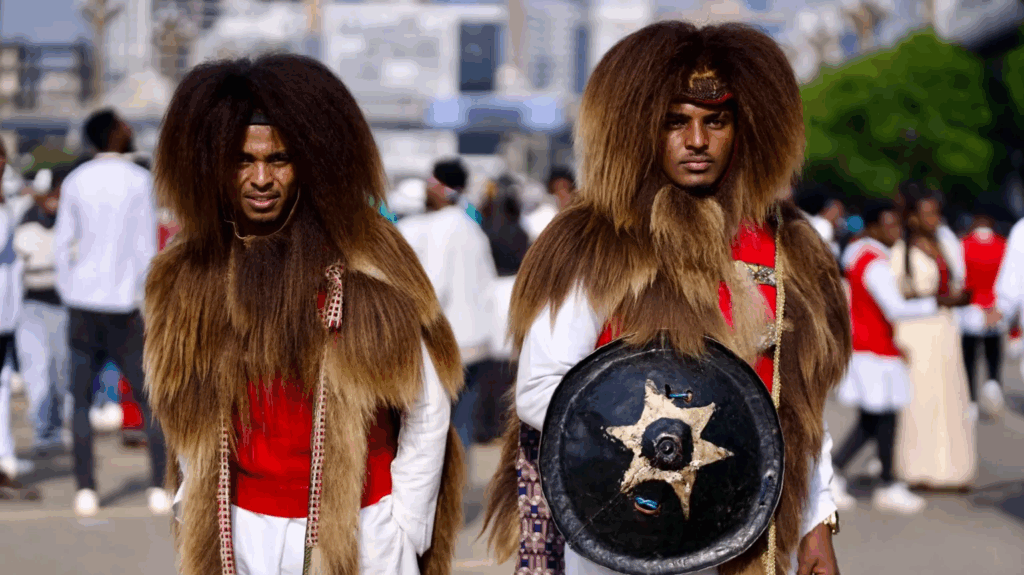
Each year, festival-goers gather around sacred rivers and lakes to thank their creators for the greenery that the rains have brought.
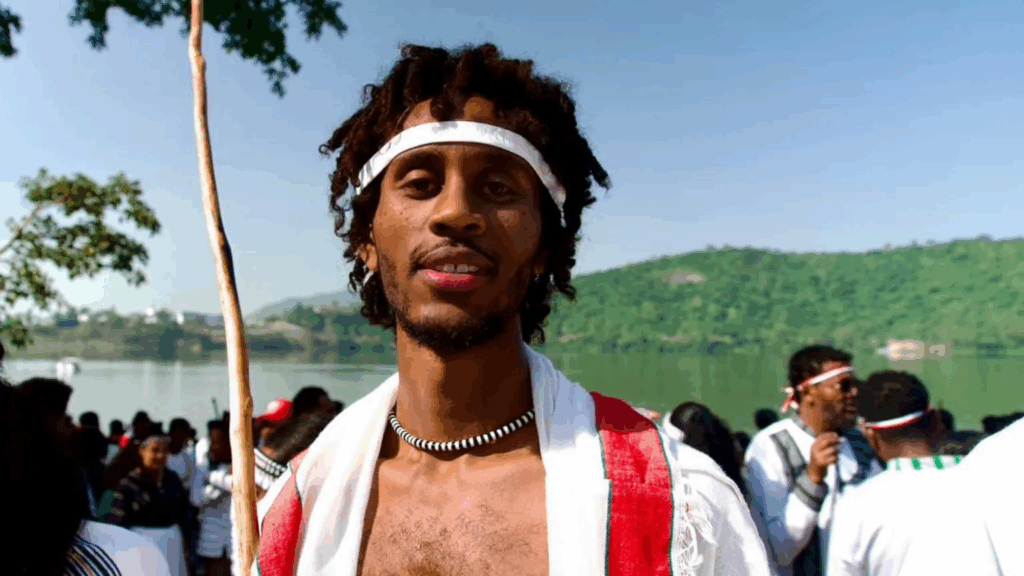
"I've been celebrating Irreecha for the past nine years," 25-year-old Moata Abdulmajid (pictured below) told the BBC.
"To me, Irreecha represents my identity; it reflects the pride and greatness of my people."
Men, women, the elderly and the young all join in, adorned in eye-catching clothes and jewellery.
They sing, dance, share stories and place freshly cut grass and flowers in water - a symbol of life, renewal and hope.
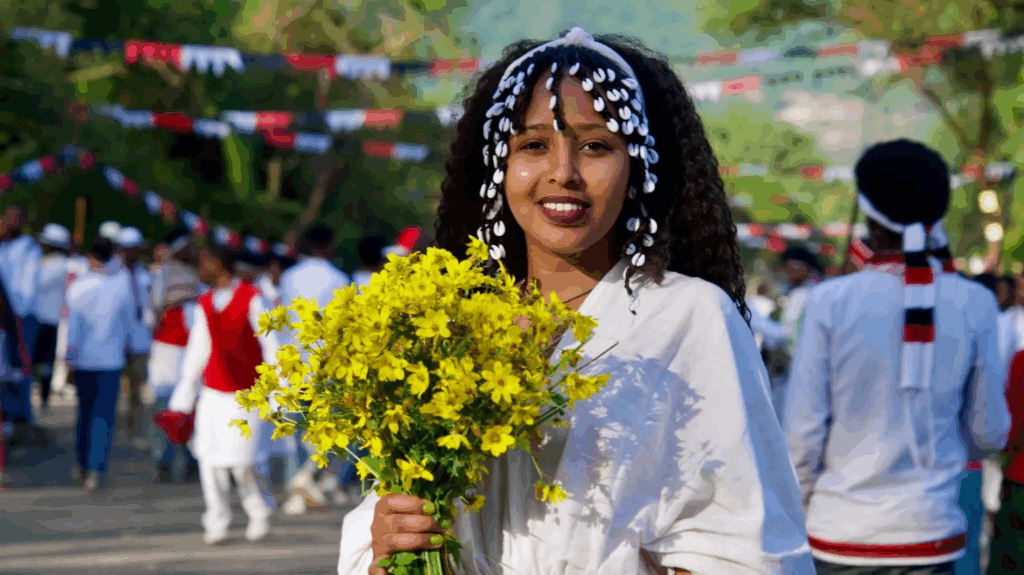
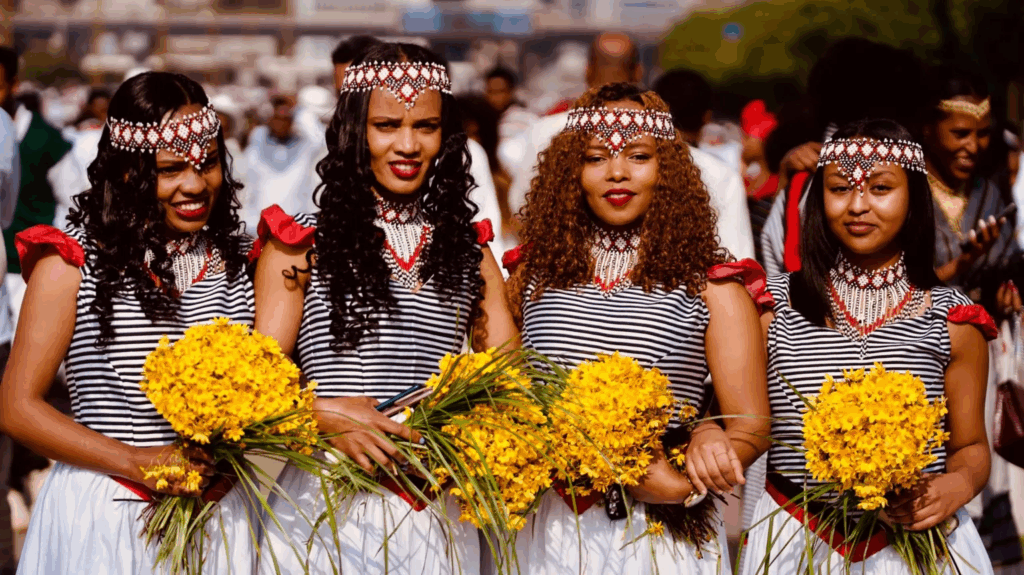
Irreecha does not only attract people from across Ethiopia, attendees fly in from around the world.
"I came last year - it was so good, so beautiful, I brought my children with me this year," says Claire (pictured second from right), from Belfast in Northern Ireland.
"It is amazing. Everybody wants to say hello, everyone wants to give you a kiss and say welcome."
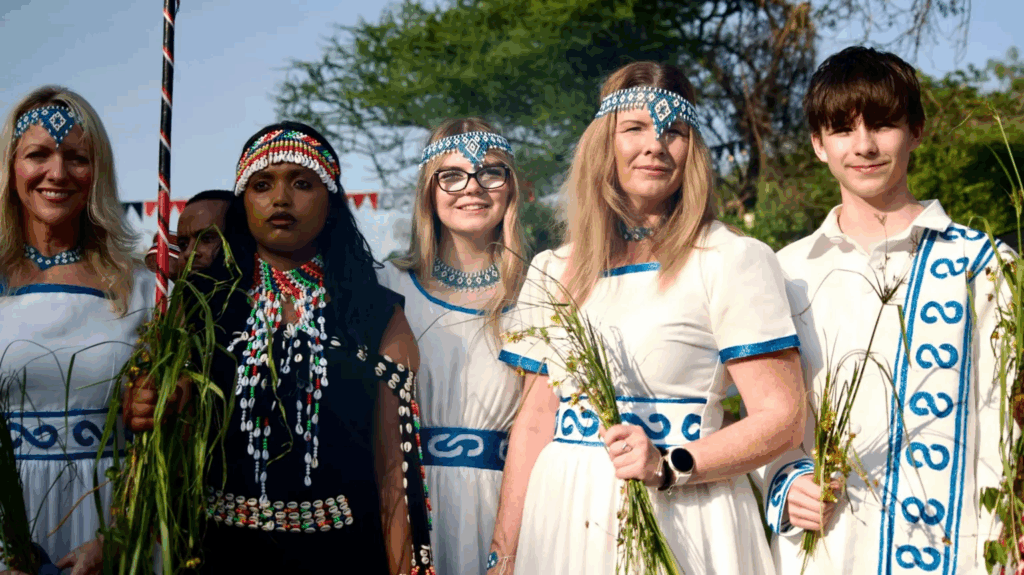
The first day of the festival took place on Saturday in Addis Ababa. On Sunday, festival-goers travelled to Bishoftu, a small town just outside the capital.
Although the Irreecha has its roots in indigenous faith systems, it is now observed by the majority of Oromos, regardless of their religion.
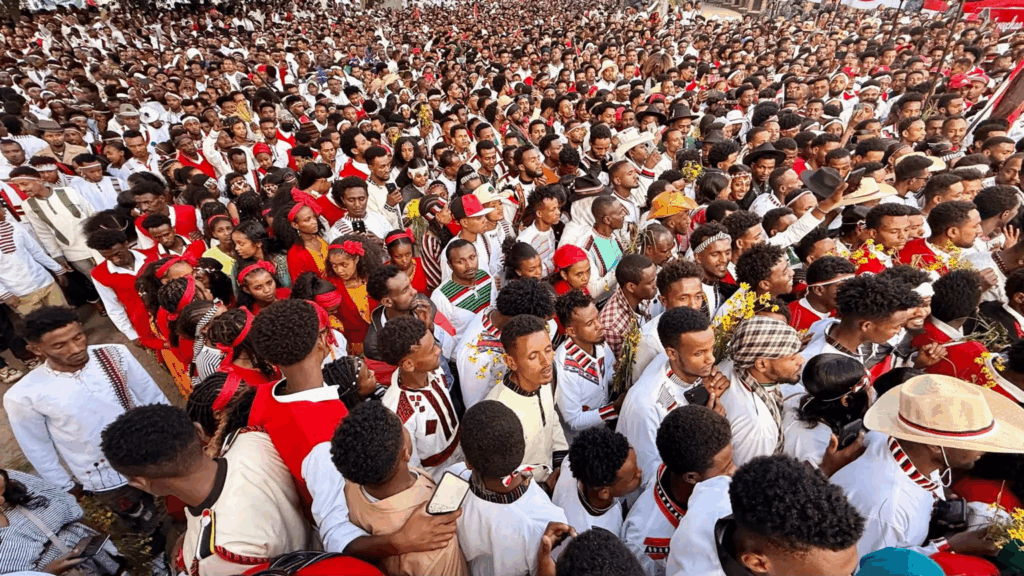
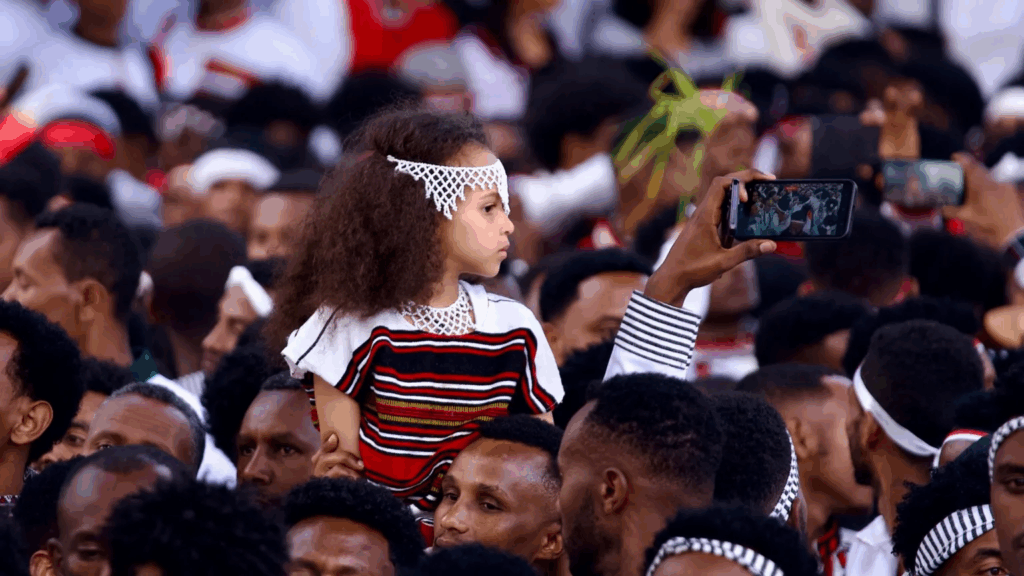
In the past decade, the number of people attending the festival has increased dramatically.
This is partly due to the rise of social media, where many young people document their outfits, dancing and singing during the festival.
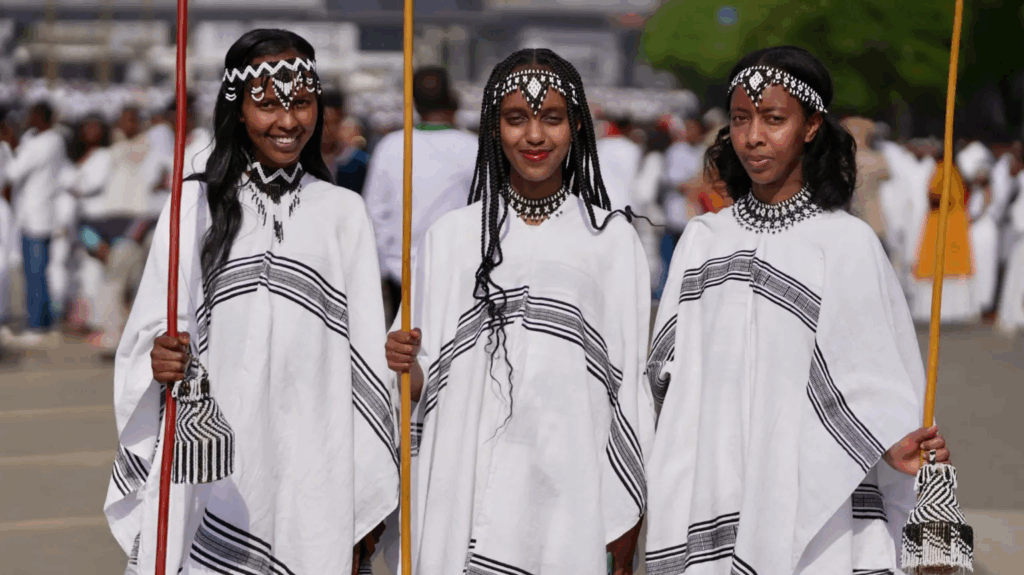
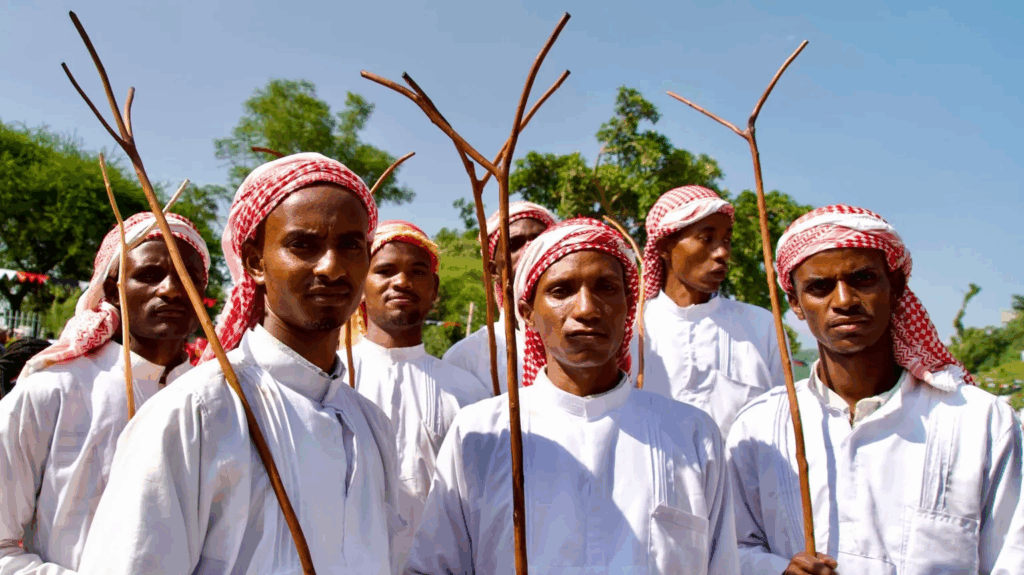
In the past, Irreecha was used as a platform for anti-government protests - the Oromo people have long complained about political and economic marginalisation.
However, this year's celebration unfolded peacefully, with an emphasis on joy, unity and cultural pride.
Latest Stories
-
Demand and savings deposits decreased in August 2026, but currency outside banks increased by 4%
2 minutes -
Fiscal policy implementation poses downside risk to inflation – BoG
36 minutes -
Organised Labour should seek fair adjustment, not excessive pay rise – Labour consultant
40 minutes -
BoG maintains medium-term inflation target of 8 ± 2%
47 minutes -
Sammi Awuku urges NPP Germany to unite ahead of 2028 elections
1 hour -
The Inconvenient Truth: We cannot pray for the cure while protecting the disease
2 hours -
MTN Ghana trains civil society organisations on artificial intelligence
3 hours -
GoldBod FX framework aims to make dollar supply predictable – Acheampong
3 hours -
How does a Ghanaian team make it to the BAL?
3 hours -
Ghana’s investment climate presents opportunities for industrial growth and job creation.
3 hours -
‘I paid thousands to a company for jobs that never came’
4 hours -
SSNIT intensifies informal sector enrolment drive with Techiman float
4 hours -
Ghana seeks long-term mining investments that benefit local communities – Armah-Kofi Buah
4 hours -
GHATOF demands compensation for 85 businesses affected by La Pleasure Beach demolition
4 hours -
Bono Regional Minister calls for investor education to drive economic growth
4 hours