

Audio By Carbonatix
No matter how weak our democracy is, let us embrace it and make it better. It is dangerous to wish to live under military rule.
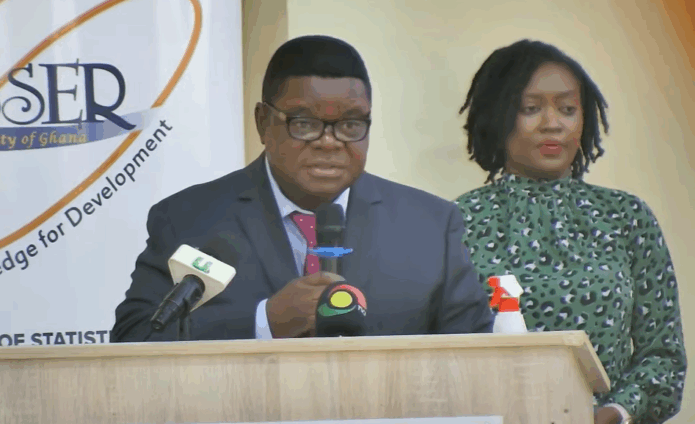
The above is the counsel Professor Peter Quartey, Director of the Institute of Statistical, Social and Economic Research (ISSER) at the University of Ghana, has given Ghanaian youth, urging them to reject calls for military rule, despite growing frustrations with democratic governance.
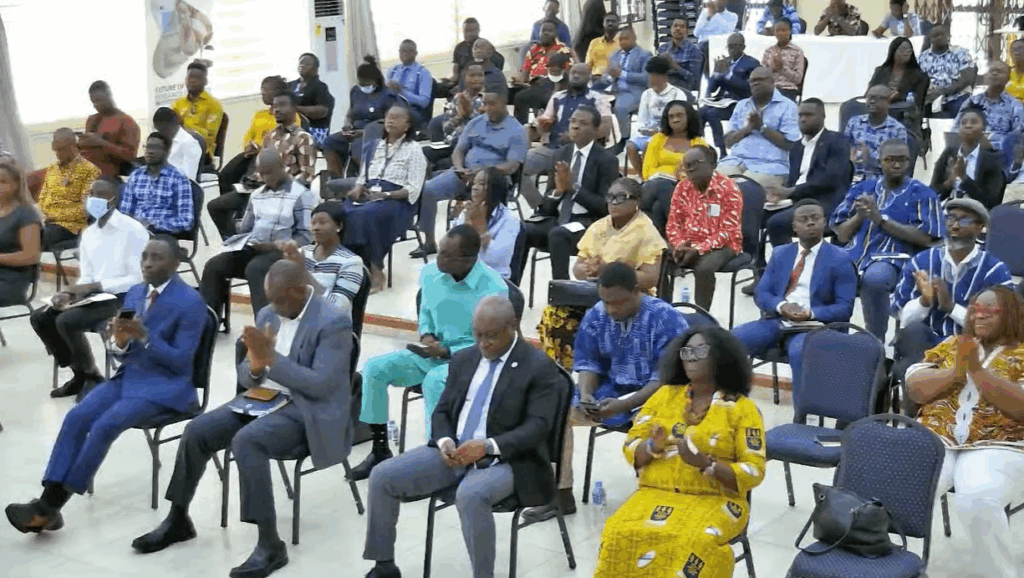
Speaking at the launch of the 7th edition of ISSER’s Ghana Social Development Outlook in Accra on Thursday, Prof. Quartey addressed concerns over poor democratic accountability and recent public sentiments, particularly among the youth, calling for a return to military governance.
He said while military rule may seem like a quick fix, it is not a viable alternative, pointing out that many young people calling for it have not experienced the realities of life under military regimes.
Prof Quartey said under military rule, there were curfews, restrictions on movement, and widespread human rights violations and cautioned that the freedoms we enjoy today—freedom of speech, association, and action—would be lost.
Prof. Quartey acknowledged the shortcomings in Ghana’s democratic system but stressed the importance of preserving and improving it.
He said no matter how weak our democracy may appear, we must work to strengthen it, rather than discard it.
While he said he would never recommend military rule for any country, he called it archaic and undemocratic, citing economic data also to reinforce his point
He said that periods of military coups in Ghana’s history often coincided with negative or stagnant GDP growth. “Is that the kind of development we want?” he asked.
Prof. Quartey recommended a national effort to educate the youth on the country's history with military regime, saying perhaps we need to revisit documentaries and records of Ghana’s military past and share them widely.
He called on policymakers and civil society to make democracy more responsive and inclusive, in order to win back public trust and dissuade calls for authoritarian alternatives.
Latest Stories
-
Stakeholders demand action against foreign-led illegal mining in Ahafo Region
1 hour -
Ghana handed tricky draw at 2026 Amputee World Cup
1 hour -
2024 Nyankpala election violence: Youth group petitions authorities over slow probe
2 hours -
Ghana, UNICEF strengthen partnership to advance child protection
2 hours -
Day Two of 3rd Republic Bank-JoyNews Habitat Fair ends with great homeownership offers and financing solutions
2 hours -
Guinness Ghana DJ Awards 2026 Pub Fest celebrates Ghana’s DJ culture as Accra turns up the energy
2 hours -
10th woman found dead in South Africa’s string of killings
2 hours -
French Embassy trains Ghana Police CTU in counter-terrorism operations
3 hours -
UPSA uncovers mass results manipulation involving 178 students, over 500 results compromised
3 hours -
ECG announces planned power outages in parts of Tema from Sept. 29 to October 1
4 hours -
Sylvester Mensah urges Latenu FM to promote trade, export opportunities in Ga
4 hours -
Ga language under threat of decline as children shy away from speaking it – Sylvester Mensah
4 hours -
‘Let every Ga child you raise know the Ga language and story’ – Sylvester Mensah
4 hours -
‘We are not deterred’ – Ablakwa responds to backlash over South Africa evacuation
4 hours -
Day Two: Republic Bank-JoyNews Habitat Fair gains momentum at Junction Mall
5 hours