

Audio By Carbonatix
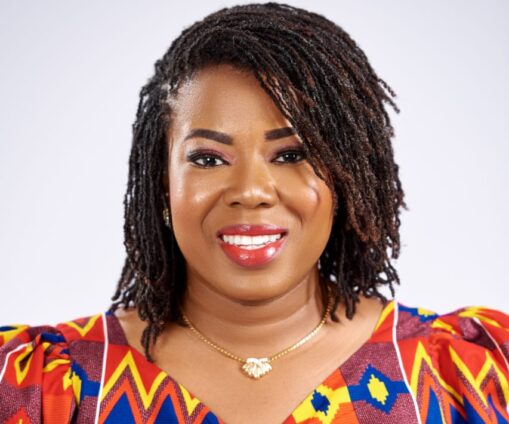
President of the Paediatric Society of Ghana, Dr Hilda Mantebea Boye, has urged parents and caregivers to step up measures to protect children against respiratory infections, diarrhoeal diseases and flood-related hazards as Ghana experiences colder weather and heavy rains.
She said children, especially infants and those under five, are particularly vulnerable during this period because their immune systems are still developing, making them more susceptible to infections.
In an interview with the Ghana News Agency (GNA), Dr Boye identified the common cold, cough, pneumonia, ear infections, throat infections, diarrhoeal diseases and, in some communities, malaria, as some of the illnesses frequently seen during the rainy season.
“The younger the child, the more susceptible they are because their immune system is not yet fully developed. During this period, many viruses are circulating in the environment, increasing the risk of infection,” she said.
The specialist urged families to keep their homes well ventilated by opening windows regularly, cleaning fans and servicing air conditioners to improve air quality and reduce the spread of infections.
She also encouraged parents to provide children with balanced meals rich in fruits and vegetables to strengthen their immune systems and to ensure they received all routine vaccinations appropriate for their age.
Children should be dressed warmly in layers to protect them from the cold, while parents should discourage them from playing in the rain, particularly during thunderstorms, because of the risks of lightning strikes and flash floods.
“If a child gets soaked in the rain, change them into dry clothing immediately, keep them warm and, where possible, avoid allowing children to travel alone during heavy rainfall,” the specialist advised.
Dr Boye emphasised that regular handwashing with soap and clean water, eating freshly prepared home-cooked meals and drinking safe water remained the most effective ways of preventing diarrhoeal diseases during the season.
Caregivers of newborns were advised to wash their hands after changing diapers and before handling babies, while anyone with a cough or cold should wear a face mask to reduce the risk of infecting infants.
On recognising serious illness, the specialist explained that while a common cold often presents with a runny nose and mild or no fever, pneumonia may cause persistent fever, cough, fast or difficult breathing, and poor feeding.
“Parents should seek immediate medical care if a child develops breathing difficulties, becomes unusually weak or refuses to eat,” she added.
Dr Boye also called on schools to support disease prevention by ensuring classrooms are well ventilated, promoting regular handwashing and providing healthy, balanced meals for pupils.
Commenting on the recent floods that affected parts of the country, Dr Boye said rescued children should receive prompt medical assessment for injuries, respiratory complications and possible infections from contaminated floodwater.
“Equally important, affected children should receive psychological support, as traumatic experiences such as flooding could trigger anxiety, depression or post-traumatic stress if left unaddressed,” Dr Boye said.
She urged Ghanaians to work collectively to keep the environment clean, prevent indiscriminate construction, and support measures that reduce flooding, saying that protecting children requires action at home, in schools, in communities, and by government.
Latest Stories
-
Ballon d’Or Power Rankings: Lamine Yamal leads race for Golden Ball ahead of Rodri and Kane
1 hour -
‘Nothing worked for us’ – Gideon Mensah takes responsibility for Gambia defeat
2 hours -
2026 Women’s Super Cup: FC Savannah beat Epiphany Warriors to win trophy for first time
3 hours -
AFCON 2027Q: ‘The last time Ghana won was eight games ago’ – Carlos Queiroz
3 hours -
AFCON 2027Q: Gambia defeat doesn’t make me a loser – Carlos Queiroz
4 hours -
2027 AFCONQ: Late goals seal 2-0 for Côte d’Ivoire against Somalia
4 hours -
AFCON 2027Q: My resignation won’t solve Ghana football issues – Queiroz
4 hours -
Morocco call off Ghana friendly after Black Stars’ AFCON setback
4 hours -
‘We have to say sorry’ – Queiroz apologises after Ghana’s humiliating defeat to Gambia
4 hours -
New Yorker identified as Yaw Boahene, 57, killed after bag was caught in subway train doors
4 hours -
Former American Idol contestant and pastor found guilty of murdering wife
4 hours -
Trump rules out joint US-China venture to develop AI
5 hours -
‘Beating Ghana did not surprise me’ – Gambia boss
5 hours -
OpenAI agents get rebrand – as ‘dots’ – while safety worries delay new model
5 hours -
US ban on Canadian alcohol and dairy takes effect as trade war drags on
5 hours