


Audio By Carbonatix
I have recently realized that there are so many ads on social media hawking vehicle diagnostic scan tools!
It looks like in our world of fast fixes and internet solutions, everyone is an “expert” with an OBD scan tool in hand, ready to diagnose and “repair” any car problem that comes their way. But it gets worse when you frequent mechanic shops or the major spare parts hubs in Ghana. You will always find people going around clearing error codes for a fee. But here’s the truth: There’s a big difference between reading a fault code and understanding what’s actually going on under the bonnet (hood) of your car. Let’s dive into why relying on quack mechanics and DIY self-diagnostics could end up costing you more than you bargained for, and how proper vehicle diagnostics can save you headaches (and money) in the long run.
Quack Mechanics and the Rise of “Plug-and-Play” Diagnosticians
With the surge in OBD (On-Board Diagnostics) scan tools, a new breed of “mechanics” has surfaced. They buy a scanner, plug it into your vehicle’s OBD-II port, read a code, and voilà! They declare your car cured — often after replacing a part or two. But here’s the kicker: a diagnostic tool is not a magic wand. It’s just one tool in a much larger toolbox that a skilled mechanic relies on.
OBD scan tools do one main thing: they retrieve Diagnostic Trouble Codes (DTCs) stored in your car’s computer. These codes act as breadcrumbs, giving a clue about where a potential problem might lie. But without an understanding of the interconnected systems in a vehicle, these codes can be easily misinterpreted.
The Dangers of Relying Solely on OBD Codes
Imagine if your doctor prescribed medication based only on a single symptom without running any tests — it sounds absurd, right? Well, that’s what’s happening every time someone relies solely on an OBD code to diagnose a car. Here’s why this approach is flawed:
- Fault Codes Don’t Give the Full Story – Codes indicate areas of concern, like “misfire in cylinder 3,” but they don’t specify the cause. The issue could be anything from a faulty spark plug to a deeper engine problem.
- Symptom Masking – Clearing codes without addressing the root cause is like turning off your check engine light by pulling out the bulb or blocking the light out — the problem hasn’t gone away, it’s just hidden. Misdiagnosing a problem and simply “clearing codes” could mask deeper issues that worsen over time.
- Unnecessary Repairs – When DTCs are misinterpreted, it’s common to replace components unnecessarily. Think you need a new oxygen sensor? A professional mechanic knows that often, an oxygen sensor code is a symptom of another problem — not the root cause.
Why Real Diagnostics Require More Than an OBD Scan Tool
So, if a simple code reader isn’t enough, what’s involved in proper diagnostics? A trained, experienced mechanic uses multiple tools and techniques to pinpoint the actual cause of an issue, including:
- Component Testing – Before replacing any part, skilled technicians test sensors, actuators, and other components to see if they’re working within specified parameters.
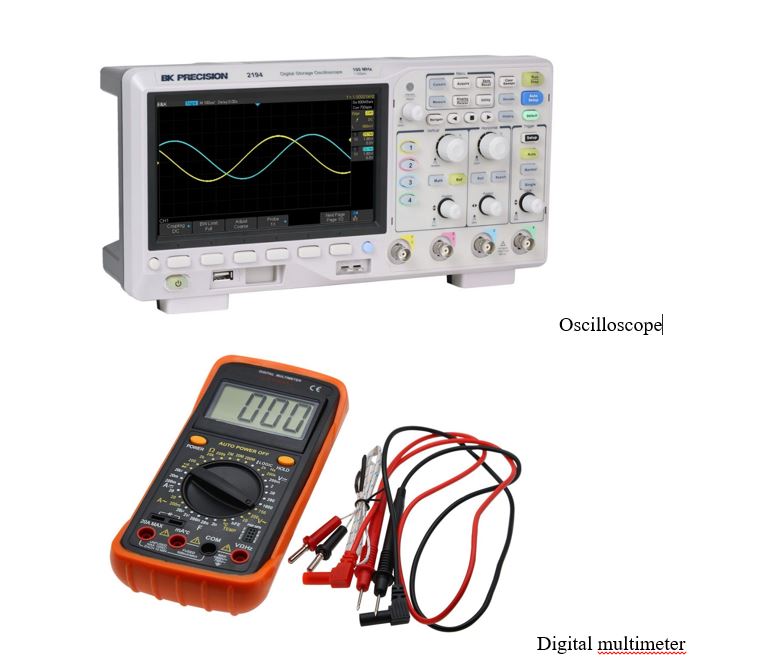
- Oscilloscopes and Multimeters – These tools measure electrical signals and help analyze real-time data, critical for understanding issues that a scan tool alone can’t detect. Oscilloscope Digital multimeter
- Communication Testing – Modern cars have networks of interconnected systems (engine control units, transmission control modules, body control units, etc.). A professional diagnostic process checks that these systems are communicating properly, as network issues can cause system failures.
In short, effective vehicle diagnosis combines mechanical knowledge, specialized tools, and a systematic approach to understanding vehicle problems. It’s more than just plugging in a code reader — it’s about diving into the car’s intricate systems to get the real story.
The Cost of Going Cheap
Here’s the reality: quack mechanics might charge less up front, but their “repairs” often lead to bigger bills down the road. A single misdiagnosis can snowball into multiple replacements, more labour costs, and prolonged issues that damage other parts of your car. Paying for a proper diagnostic upfront from a reputable mechanic is almost always cheaper than the trial-and-error approach of someone who’s just clearing codes and guessing.
Tips for Avoiding Diagnostic Dangers
So, how can you protect yourself from the dangers of poor diagnostics? Here are some practical tips:
- Find a Trusted Mechanic – Look for one with great testimonials, well-educated, approachable and understanding. Someone who understands complex automotive systems and has the experience to use diagnostic tools correctly.
- Ask about the Diagnostic Process – A skilled mechanic can explain how they arrived at a diagnosis and won’t simply say, “The code says…” Real diagnostics involve tests, observations, and cross-referencing of symptoms.
- Stay Informed but Skeptical – Knowledge is power. Understand what an OBD tool can and can’t do. This isn’t about disregarding technology; it’s about knowing its limitations.
- Demand More Than Code-Clearing – If a mechanic only clears codes and doesn’t talk about testing or verifying components, walk away. Clearing codes without addressing the root cause is a recipe for recurring problems.
Ending the Myth: OBD Scan Tools as a “Cure-All”
The real lesson here? OBD scan tools are a valuable resource, but they’re not the answer to every automotive issue. Think of them as a helpful roadmap rather than a GPS with turn-by-turn directions. They’ll guide you to the area of concern, but it takes a knowledgeable mechanic to get you to the destination.
So, next time your check engine light pops on, don’t just go for a quick code clear or a “discount” diagnosis. Seek out a real professional, someone who can interpret the data, test components, and identify root causes. Proper diagnostics are an investment in your vehicle’s health, ensuring it runs smoothly and efficiently for years to come.
Remember, your car deserves better than a guessing game.
Happy Motoring…
-
The author, Edward Boateng Opoku, also known professionally as Eddie Poku, is an automotive enthusiast and content creator. He's the brain behind Ryde Channel on YouTube. Ryde Channel's content covers auto enthusiast profiling, car and motorcycle reviews, and auto events. Edward likes to participate in discussions about cars, motorcycles, and the automotive industry in general. You can catch up with Eddie Poku via the following channels: YouTube: Ryde Channel •
LinkedIn: www.linkedin.com/in/edwardopoku2018 • www.rydechannel.com
Latest Stories
-
The Ghanaian prophet and the mysterious death of his scottish wife Charmain Speirs
23 minutes -
Nearly 400 sentenced in Nigeria for links to militant Islamists
44 minutes -
Ghana’s recovery supported by gold strength despite global oil price pressures – Standard Bank Research
51 minutes -
Kwaku Azar writes: A-G vs OSP
1 hour -
Mfantsipim–Adisadel rivalry built excellence, not division – Sam Jonah
2 hours -
Vice President launches Mfantsipim’s 150 years of shaping Ghana’s greatest mind
2 hours -
I assure Otumfuo, Mahama will join him to commission KNUST Teaching Hospital by end of this year – Haruna Iddrisu
3 hours -
Barcelona dominate derby to extend La Liga lead
3 hours -
Gov’t to roll out free special education for persons with disabilities from July 1 – Education Minister
3 hours -
Importers and Exporters Association declares full support for Publican AI port system
3 hours -
“We used it to test our officiating officials’ readiness” – Bawah Fuseini after CAA Athletics event
4 hours -
Volleyball emerges as Ghana’s fastest rising sport
4 hours -
National Sports Fund needs strong leadership from the top – Administrator David Wuaku
4 hours -
JoySports Exclusive: Steve McLaren in talks with GFA after expressing interest in Black Stars job
4 hours -
Fire guts auto parts warehouse at Bubuashie, one fire officer injured
4 hours