

Audio By Carbonatix
The Executive Director of Ghana Integrity Initiative, Linda Ofori–Kwafo has stressed the need to resource the Office of the Special Prosecutor for the fight against corruption.
According to her, such a suggestion if heeded would help save a lot of money for the country.
Her comments follow an increase in corruption activities revealed in the 2022 Corruption Perceptions Index reported by Transparency International.
Madam Ofori–Kwafo is of the view that resourcing the OSP means protecting monies that the country could get from an International Monetary Fund (IMF) programme.
“You need to resource the SP. The SP’s own institutional framework has been designed to be able to even help us make money, if I can put it that bluntly. To help us to save money. When you look at the section 66 or so of the OSP Act, that actually says that when they recover stolen wealth, they’re supposed to give a percentage to the consolidated fund, the SP’s office takes about 30% or so, Attorney-General’s office targets about 10%, then 10% would go to whistleblowing persons or institutions that help in the recovery. So then, if we have such an institution, you need to resource it to make the effort to even protect the IMF money that we are going for,” she explained.
According to the Executive Director, the country would have accrued some huge sums of monies had the government resourced the Office of the Special Prosecutor and developed mechanisms to fight corruption.
She added that the situation would get worse should the country continue on the same trajectory.
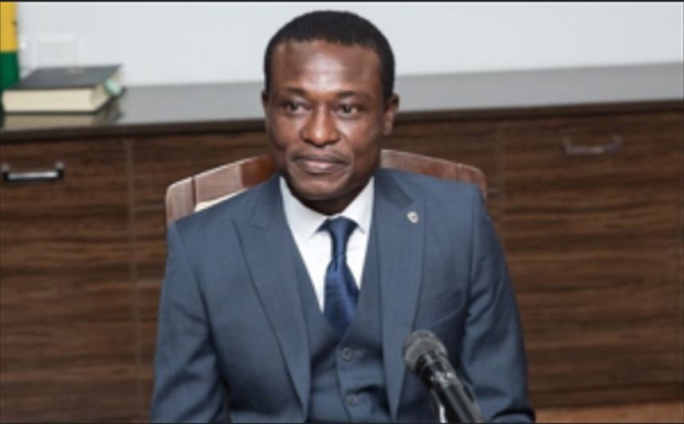
Lately, the Office of the Special Prosecutor has been making the news after it came to light that some of its workers, including the Special Prosecutor, Kissi Agyebeng have not been paid salaries for 16 months.
Shortly after, government announced that it had settled the issue. The revelation raised concerns as experts believe that the OSP needs sufficient resources in order to avoid compromise in its fight against the growing incidence of corruption in the country.
Three years on, having commenced a robust campaign against corruption in 2020 after it was revealed that it loses billions of cedis to corruption annually, Ghana still has yet to boast of any significant progress in the fight. Reports of various ranking agencies keep revealing rather a retrogressive state of the country as far as fighting corruption is concerned.
Transparency International in its 2022 Corruption Perceptions Index (CPI), reports that Ghana ranks 72 out of 180 countries. In response to the rating, experts believe that dubious activities in the public sector are responsible for such a decline.
Meanwhile, there have been persistent calls for a change in the 1992 Constitution which is believed to have in many ways contributed to corrupt activities. The concern is that it gives too much power and discretion to the President.
Latest Stories
-
Ghana Association of University Administrators suspends nationwide strike
9 minutes -
Dr. Mohammed Amin Adam writes: Ghana’s 2026 domestic debt financing
25 minutes -
Kosmos Energy, Eni, TotalEnergies and AGL Win Big at African Energy Awards
37 minutes -
Government secures financing to fix water shortages in Tamale, Yendi and Damongo
1 hour -
NSA extends 2026/2027 National Service registration deadline to October 23
2 hours -
Mahama reaffirms commitment to private investment and industrial growth
2 hours -
‘We have been used and dumped’ – NDC’s James Agbey warns over grassroots neglect
2 hours -
Ghana defender Marvin Senaya begins training ahead of comeback
2 hours -
Joyce Bawah Mogtari urges women leaders to build strong support networks
2 hours -
Bawumia engages GUTA over import duties, VAT and rising business costs
2 hours -
Fuel prices begin to fall as Star Oil cuts petrol to GH¢16.45
2 hours -
GoldBod supplies banks with US$282m in weekly forex sales
2 hours -
Joyce Bawah Mogtari says Obaasima Conference should help women connect and learn
2 hours -
Ghana’s Crude Oil Production Rebounds by 30% After Five Years of Decline
3 hours -
Nzema East launches Responsible Cooperative Mining Programme to tackle environmental destruction
3 hours