


Audio By Carbonatix
RUG, formerly known as Recycle Up Ghana, collaborated with the Spot Stroke Fast Foundation to organize a transformative breast cancer screening and stroke education program for its women waste pickers.
The event was held on November 30, 2024, at the premises of RUG at Fumesua in Kumasi, the Ashanti Region of Ghana. The aim was to empower these unsung heroes to take control of their health and well-being.
The women waste pickers, toil tirelessly every day under harsh weather conditions, exposing them to significant health risks. Recognizing this, RUG and Spot Stroke FastFoundation joined forces to provide crucial health screenings and education to equip these women with the knowledge and resources necessary for early detection and prevention of health conditions like stroke and breast cancer.
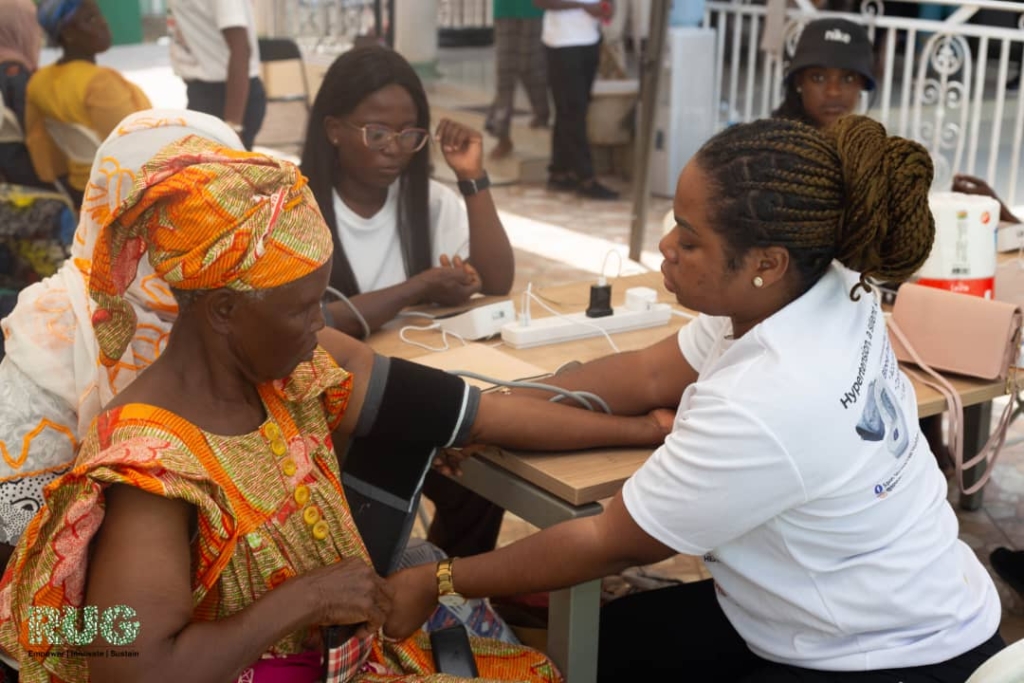
The one-day program commenced with comprehensive health screenings, conducted in several stages.
The screenings included vital signs checks, stroke awareness education, breast health screenings and one-on-one consultations.
STROKE AWARENESS EDUCATION
Marilyn Azumah from the Spot Stroke Fast Foundation conducted a session on stroke prevention and on how to recognize stroke symptoms. The women learned how to identify potential stroke signs, including sudden face drooping, weakness in one arm, and difficulty speaking or understanding speech. She also emphasized the importance of acting quickly if a stroke is suspected, as timely medical intervention could make a huge difference in outcomes.
Additionally, lifestyle changes, such as maintaining a healthy diet and managing stress, were highlighted as effective strategies to reduce stroke risk.
VITAL SIGNS CHECK
Each woman had her vitals checked, including blood pressure, blood sugar levels, weight, and height. Several women were found to have elevated blood pressure.
Following this, they were given time to relax and have refreshments to normalize their pressure before progressing with the screenings.
BREAST HEALTH SCREENING
After the vitals check, the women moved to the next stage, where they underwent clinical breast exams. A trained breast care practitioner demonstrated how to perform self-breast exams and highlighted the signs of breast cancer. These included the detection of lumps or changes in breast tissue.
The women were encouraged to regularly check their breasts and seek medical help if they noticed any abnormalities. Each participant then underwent a clinical breast examination to check for potential
signs of breast cancer. Five women were identified with signs that could indicate early
stages of breast cancer.
These women were immediately referred for further diagnostic tests to confirm the diagnosis and take necessary action at the expense of RUG.
CONSULTATION AND RESULTS DISCUSSION
After the screenings, participants received one-on-one consultations to explain their health results and next steps, particularly for those with high blood pressure or signs of breast cancer.
KEY FINDINGS
Women with high blood pressure were prescribed antihypertensive medication, and those with signs of potential breast cancer were referred for further diagnostic testing. For women who were already on antihypertensive drugs but had stopped using them, they were strongly advised to take their medication religiously to manage their blood pressure and prevent stroke or other cardiovascular issues.
IMPACT AND NEXT STEPS
The health screening program was a major step forward in empowering our women waste pickers to take charge of their health. The initiative provided life-saving knowledge about stroke prevention and breast health, identified potential health risks, and offered participants the chance for early intervention.
Follow-up visits for those with high blood pressure and breast cancer concerns will be organized to ensure proper management and treatment.
This program highlights RUG’s ongoing commitment to supporting the women waste pickers who work tirelessly every day. Their health is often at risk due to the nature of their work, and initiatives like this one play a vital role in safeguarding their well-being.
Through continued partnerships with organizations like Spot Stroke Fast Foundation, these women are now better equipped to manage their health and take action when needed.
Latest Stories
-
GRA blames system failure for delay in issuing receipt over passenger’s customs duty
6 minutes -
Livestream: Newsfile discusses World Cup visa scandal, beach demolitions, education strikes, BRICS bid
10 minutes -
NC-PTAs welcomes end of teachers’ strike, urges parents to prepare children for Monday
20 minutes -
Government procures over 2,000 transformers as Ghana’s electricity access hits 89.13% – Energy Minister
46 minutes -
UTAG-UG threatens strike on October 19 over unpaid allowance
55 minutes -
Let The Constitution direct Chieftaincy to deliver “All Development Is Local”
2 hours -
John Jinapor outlines renewable energy, nuclear power priorities for 2027
3 hours -
Ghana explores centre of excellence for hearing, communication and cochlear implant care
3 hours -
Schizophrenia-related disorders lead mental health cases recorded in Ghana
4 hours -
Dutch authorities enlist Ghana in hunt for fugitive drug lord Bolle Jos
4 hours -
Ghana housing finance conference adopts communiqué to improve affordable housing access
9 hours -
Special Initiatives Minister urges Wa Technical Institute to enrol more girls as EU-backed solar training lab opens
9 hours -
In the matter of my first year at the Bar
9 hours -
ActionAid Ghana calls for an end to child marriage, greater investment in girls’ rights
9 hours -
Newsfile to tackle World Cup visa scandal, beach demolitions, education strikes, BRICS bid
10 hours