

Audio By Carbonatix
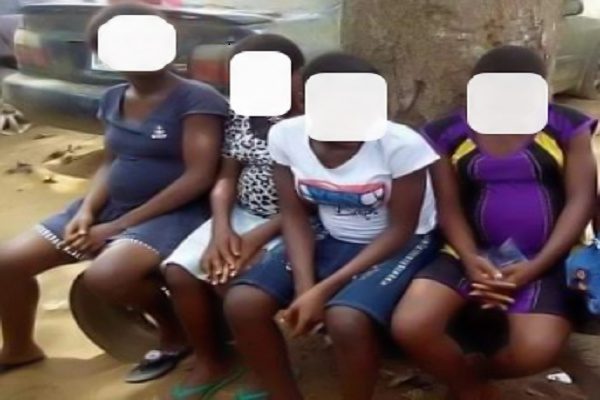
The continuous increase in teenage pregnancy cases within the Ada West District of the Greater Accra region is becoming a major challenge for all stakeholders.
The district, according to figures from the District Health Information Management System (DIHMS), recorded over 300 teenage pregnancies each year from 2019 to 2021 although there has been a slight decrease.
In 2019, 372 teenage pregnancy cases were recorded but dropped to 317 cases in 2020.
In 2021, teenage pregnancy cases within the district again went up to 357.
Figures on abortion also indicated that the district in 2021 recorded 7 abortion cases among girls aged 10 to 19 years compared to 18 abortion cases in 2020 with the same age group.
In 2019, 11 abortion cases were also recorded among girls aged 15 to 19.
Major stakeholders in the Ada West District have attributed the constant rise in teenage pregnancy to the lack of information on Sexual and Reproductive Health (SRH) and ostentatious lifestyles among others.
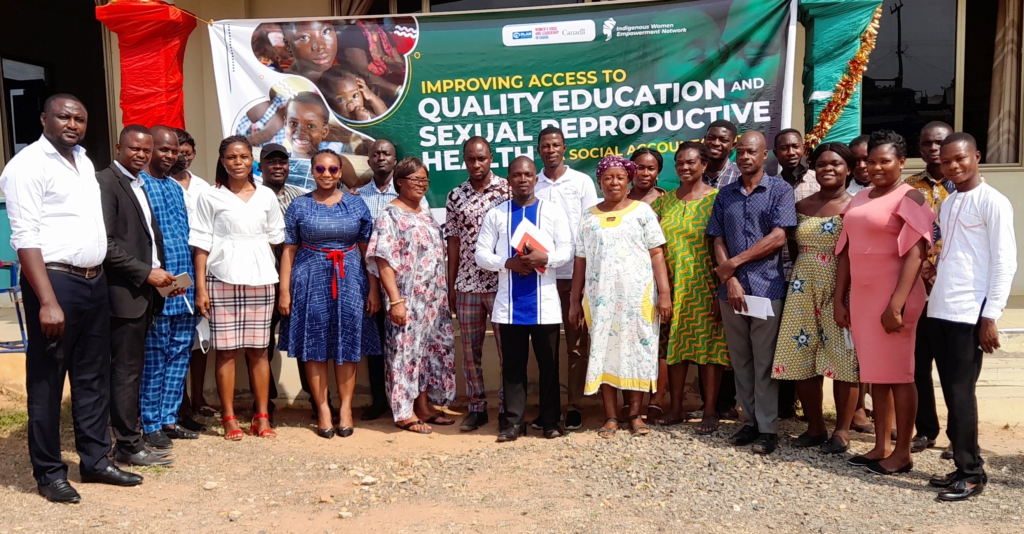
To avert the situation, Indigenous Women Empowerment Network (IWEN Ghana), an indigenous women’s rights organisation launched an initiative to help improve access to quality education and sexual reproductive health services through social accountability.
The six-month project is being supported by Plan International, Women’s Voice and Leadership in Ghana and Global Affairs Canada and will help empower indigenous girls, especially those with disabilities to realise their full potential, worth and strength through socio-economic empowerment and advocacy.
At the stakeholders meeting at Sege to launch the project, participants said teenage pregnancy has been one of the major challenges facing the district and needed all-hands-on-deck to nip it in the bud.
A Sexual and Reproductive Health and Rights (SRHR) expert, Raphael Godlove Ahenu, in a presentation said the gender power imbalances, socio-cultural attitudes among men and women about sexuality and relationships, poverty and survival issues making women and girls vulnerable, have increased the vulnerability of girls to sexual abuse and contraction of HIV and AIDS.
According to him, gender-based violence is mostly perpetrated by boys and men, adding that the “raising awareness of gender-based violence among these groups of people will make them more aware of these practices and encourage behavioural change.
“Men and boys who are more knowledgeable on issues of gender-based violence will be identified and be enlisted under the project as champions of change.
These champions of change or change agents will be involved in training other boys and men on issues of violence against girls as well as issues of sexual reproductive health,” he explained.
Again, full attention will be given to the promotion of mutually respectful and equitable gender relations and particularly to rights of reproductive health for adolescents.
For her part, the Planning officer of the Ada West District Assembly, Stella Kpondo, stated that the assembly is doing everything possible to make education more accessible to girls as well as improve access to sexual and reproductive health services.
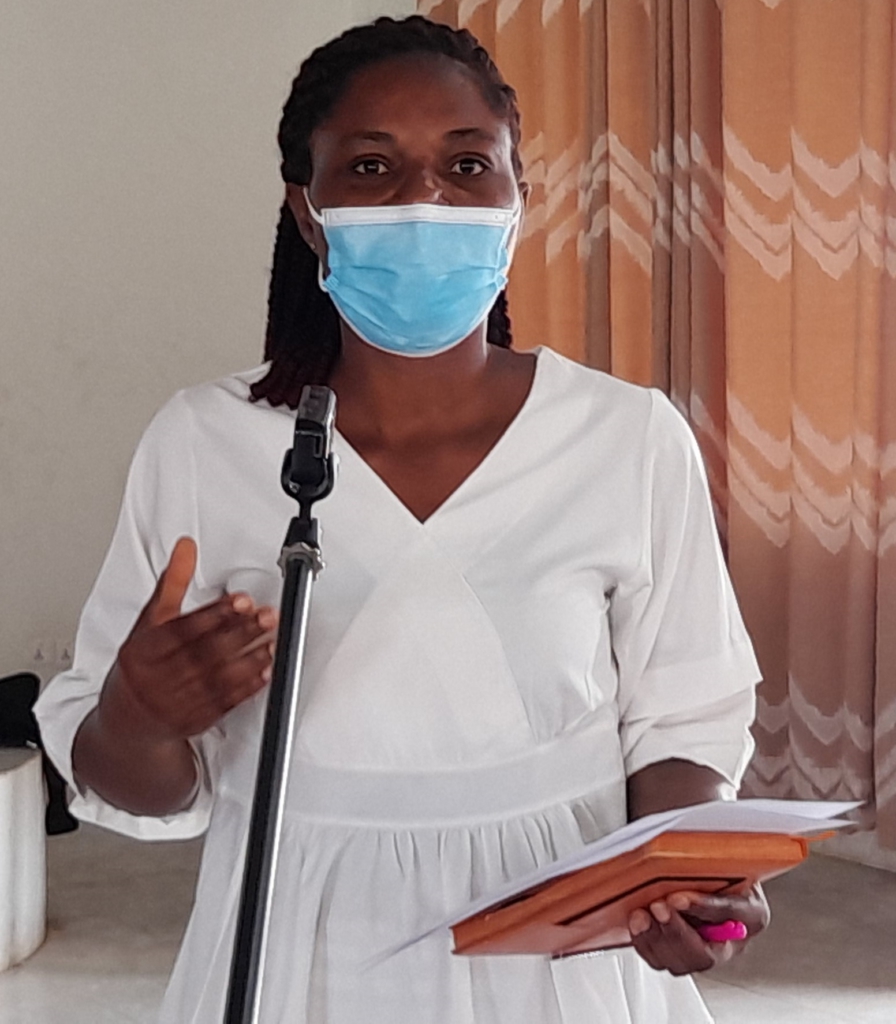
“Lack of information on SRH has caused many adolescent girls to get pregnant and therefore drop out of school, where unwanted pregnancies and early marriages frequently put an end to their aspirations for education and an economic livelihood,” she said.
Ms Kpodo explained that, “although the education policy in Ghana allows girls to return to school after giving birth, most of the girls do not go back to school in the Ada West District.
She called for support from all stakeholders to ensure that girls are in schools whilst providing the adolescents girls with accurate and timely information on their sexual and reproductive health.
Latest Stories
-
I leave with respect, gratitude and pride – Carlos Queiroz
6 minutes -
Stop turning investigation into punishment – OccupyGhana tells EOCO, BNI
6 minutes -
GPL 2026/27: Medeama go top after win over Port City
18 minutes -
Manhyia South MP Baffour Awuah reports himself to EOCO after arrest warrant
29 minutes -
Ghana records 11 cocaine cases in 28 drug busts since March 2025; biggest hauls seized abroad
31 minutes -
The numbers behind Carlos Queiroz’s tenure as Black Stars boss
39 minutes -
The man who saw tomorrow: How Dr Bawumia built for Ghana what America and Nigeria are building today
1 hour -
Kumasi drivers demand price controls for goods, brand some traders as real ‘Kalabule’
1 hour -
Consumer Protection Agency commends FDA for destroying illegal bales of diapers
1 hour -
GNFS rescues stranded persons after flooding in Hohoe
2 hours -
Baffour Awuah deliberately refused to honour EOCO invitation – Deputy AG, Srem-Sai
2 hours -
‘Believe in these players’ – Carlos Queiroz tells Ghanaians after leaving Black Stars job
2 hours -
Gideon Boako: GoldBod books must be stretched to establish true nature of reserves support
2 hours -
ECG announces planned maintenance outage in parts of Accra on Friday
2 hours -
Carlos Queiroz sacked as Black Stars head coach
2 hours