


Audio By Carbonatix
The Telecel Ghana Foundation has successfully conducted its free bimonthly rural ultrasound scans for over 320 pregnant women in the Upper East Region.
As part of the Foundation’s Connected Health programmes, this initiative reached 251 women in Kpatia and 76 women in Denugu, all within the Garu District in the Upper East Region.
Since its inception, the Rural Ultrasound Scan initiative has aimed to improve maternal and child health in Ghana by providing vital health services to pregnant women in underserved and rural communities.
Operating on a bimonthly schedule, this initiative has become a cornerstone of the Foundation’s community and health outreach efforts.
"Access to prenatal care is essential for the health of both mother and child," said Rita Agyeiwaa Rockson, Head of Foundation, Sustainability, and External Communications at Telecel Ghana.
"Our Rural Ultrasound Scan project bridges the healthcare accessibility gap in rural areas, ensuring that expectant mothers receive the necessary medical attention during their pregnancies."
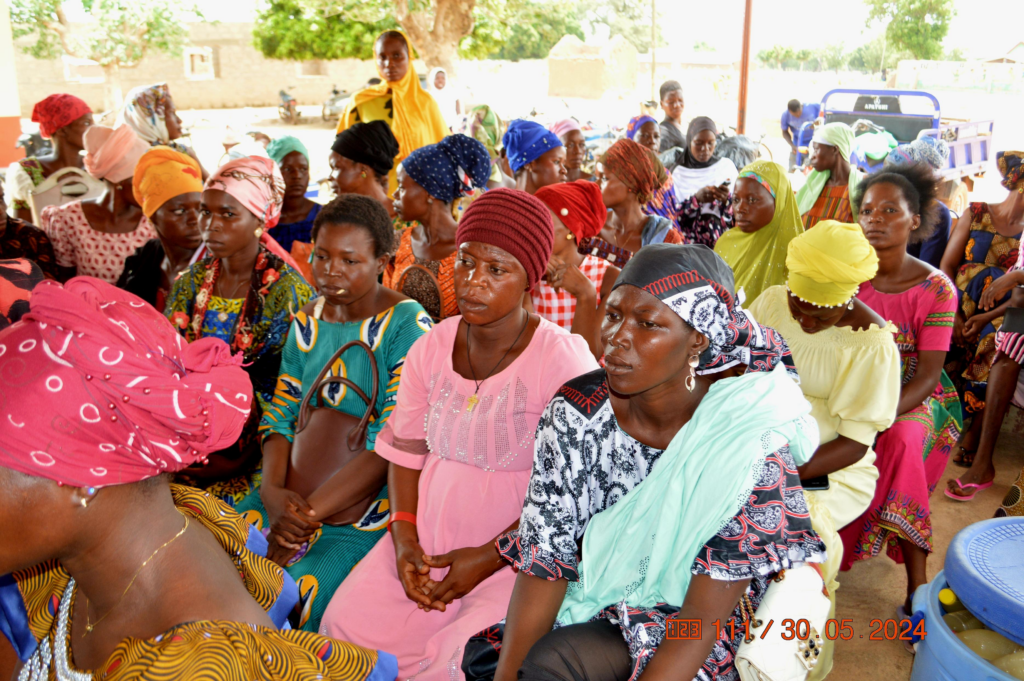
In addition to ultrasound scans, the initiative also focuses on educating women about pregnancy health, fostering awareness, and encouraging proactive healthcare management.
By identifying potential complications early, the Telecel Ghana Foundation helps reduce maternal and infant mortality rates and promotes healthier pregnancies and births.
By offering these services free of charge, the Telecel Ghana Foundation alleviates the financial burden on expectant mothers in these communities, many of whom face significant economic challenges.
"We are committed to supporting maternal health across Ghana," added Rita Agyeiwaa Rockson. "Through our efforts, we hope to make a tangible difference in the lives of many women and their families."
The Rural Ultrasound Initiative stands as a testament to the Telecel Ghana Foundation's dedication to improving the lives of Ghanaians, particularly those residing in rural and underserved communities.
As the foundation continues to prioritize healthcare interventions, it anticipates further positive outcomes benefiting more women and families in the future.
Latest Stories
-
World Cup Visa Scandal: ‘My client has not collected money for visas’ – Ampofo Ankrah’s lawyer
11 minutes -
US immigration officials defend ICE agents who shot man in same car as child
21 minutes -
Commentator Katie Zacharia picked as new White House press secretary
24 minutes -
Drone strike by Sudan paramilitary kills 41 near Ethiopian border, rights group says
31 minutes -
King warns malicious online actors are evolving tactics
38 minutes -
Several injured as Saudi capital airport reportedly hit again
40 minutes -
Christa Pike discharged from hospital and returned to prison, her lawyers say
42 minutes -
Ghana’s BRICS move requires clear strategy to manage risks – Godfred Bokpin
2 hours -
Pay teachers realistic income – Duncan Amoah to gov’t
3 hours -
Bechem to become chicken capital of Ghana – Mahama projects
3 hours -
Gov’t targets recruitment of 16,500 health professionals in 2026
3 hours -
Two-week strike will not derail academic calendar – GNAT President
3 hours -
Headmaster detained after BBC investigation into alleged sexual abuse of students
3 hours -
GNAT pushes for clear implementation procedures of teachers’ conditions of service
4 hours -
Recurrent strikes threaten quality of education and academic calendars – Prof Bokpin
4 hours