

Audio By Carbonatix
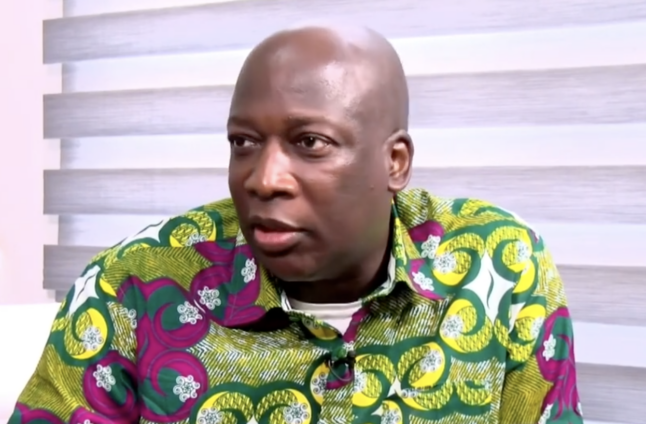
Business executive and independent consultant Yaw Nsarkoh has called for a decisive shift from short-term thinking, insisting that Ghana’s real test lies in how it prepares for the future.
“Well, the long term is where we will live, not the past, not the present,” he said on Joy News’ PM Express on Tuesday.
“The long term is where we will live, and the long term is where our progeny will live.”
The former Unilever Executive Vice President argued that national conversations must move beyond immediate political and economic pressures and focus on the kind of society being built for the next generation.
“More importantly, so if we are people who think very carefully about what society we would like those who come after us to live in, then we have to be focused on the long term, not just the short term.”
His comments come at a time of heightened public debate over economic challenges and policy direction. But Nsarkoh maintained that while present difficulties are real, they must not trap leaders into reactive decision-making.
“Yes, there are immediate pressures, but we must understand the past and the immediate pressures in order that we can create a better future for those who come after us.”
He stressed that understanding history and current constraints is necessary, but only as a foundation for shaping what lies ahead.
For Nsarkoh, the responsibility goes beyond policymakers. It extends to citizens and corporate leaders who shape institutions and influence public life.
“And I would think that should be the ambition of people who are serious about citizenship and about society.”
His remarks frame long-term thinking not as an abstract ideal but as a civic duty. He suggests that leadership without a generational horizon risks leaving future citizens to deal with the consequences of today’s short-sighted choices.
Throughout the interview, Nsarkoh returned to the idea that the future is not a distant concept but the space where today’s decisions will mature.
“The long term is where we will live,” he repeated, underscoring the urgency of planning beyond electoral cycles and quarterly results.
In a climate often dominated by immediate fixes and political expediency, his message was clear: the real measure of seriousness about nation-building lies in how boldly leaders and citizens commit to shaping the society their children will inherit.
Latest Stories
-
Stonebwoy Can Do It: A call to unite behind 2026 BHIM Fest
3 minutes -
World Shea Expo returns to Tamale for 2026 edition
6 minutes -
Prioritise cocoa sector with better prices, timely payments-Annoh-Dompreh urges NDC
34 minutes -
Lands and Mines Watch Ghana endorses Heath Goldfields’ mining capacity
49 minutes -
Gbintiri residents protest alleged diversion of 24-hour market project
1 hour -
Justin Bieber headlines Coachella with nostalgia-fuelled set
1 hour -
Ukraine and Russia accuse each other of hundreds of ceasefire violations
1 hour -
Asha Bhosle: The sound of Bollywood dies aged 92
2 hours -
Fire destroys section of 4-bedroom apartment at Tantra Hill
2 hours -
Safe city: Unnoticeable protection
2 hours -
North East Regional Police Commander raises alarm over burning of checkpoints
2 hours -
Free Primary Healthcare Programme set for take-off — Health Ministry confirms readiness
2 hours -
3 co-wives, 5 children perish in canoe disaster – Maritime Authority insists life jackets use mandatory for all water transport
3 hours -
Iran war lands ‘triple blow’ to flood-ravaged Sri Lankans
4 hours -
Gunmen kill at least 11 people at Afghanistan picnic spot
4 hours