

Audio By Carbonatix
The World Health Organization (WHO) estimates that 197 women die globally for every 100,000 live births. Sub-Saharan Africa accounts for 70% of these deaths. Maternal mortality is the death of a woman while pregnant or within 42 days of the end of pregnancy, regardless of the cause.
In Ghana, maternal mortality remains a public health issue. The Ghana Maternal Health Survey (2022) places the maternal mortality ratio at 308 deaths per 100,000 live births. This figure does not account for unreported cases, which are common. Rural areas record more than 60% of these deaths.
Rural-urban differences in maternal care are growing. Many women in hard-to-reach communities do not receive healthcare services. These women face the highest risks of maternal and newborn deaths. According to the Ghana Demographic and Health Survey (2022), only 48% of births in rural areas happen in health facilities. In contrast, over 90% of births in urban areas occur in health facilities.
The higher risk in rural areas is linked to poverty and lack of basic healthcare infrastructure. The scattered nature of rural settlements, long distances to clinics, and the absence of transport options make it difficult for women to access care. These conditions affect both the timing and the quality of medical help, especially in emergencies.
The Ghana Health Sector Medium-Term Plan (2022–2025) notes that most maternal deaths are preventable. A major step toward prevention is increasing the number of pregnancy schools in rural areas. These schools can help women understand and manage pregnancy and childbirth more safely.
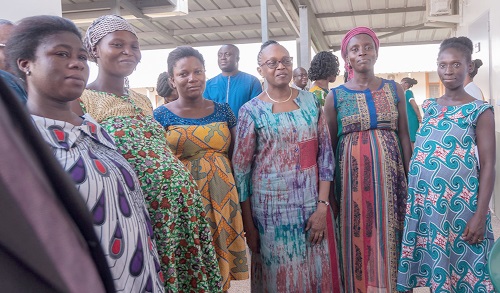
Pregnancy schools are group sessions held at health centres or in communities. They teach expectant mothers and their partners about pregnancy, labour, childbirth, and aftercare. The sessions cover nutrition, personal hygiene, danger signs, birth preparation, newborn care, and family planning. These classes are often led by trained midwives or health workers.
There is evidence that these schools work. According to a 2024 report by mordenghana.com, the Adansi-Asokwa District in the Ashanti Region recorded zero maternal deaths and zero stillbirths in 2023. The local health directorate links this outcome to the strong presence of midwives during antenatal care, labour, and postnatal support.
While this progress is encouraging, challenges remain. Some areas still lack trained midwives. Others face a shortage of learning materials, space, and basic tools needed to run these schools effectively. These gaps limit the reach and impact of the program.
To make the most of pregnancy schools, several steps must be taken:
- National Scale-Up: The program should be part of Ghana’s broader primary healthcare plan. Rural clinics should be supported with staff and materials to run regular sessions.
- Training More Facilitators: Community health volunteers and health assistants can be trained to deliver sessions in places where midwives are unavailable.
- Emergency Transport: Motorbikes and mobile ambulances should be made available to transport women during emergencies, especially in areas with poor road access.
- Community Monitoring: Local leaders and health committees can help track attendance and outcomes, making the program more effective and accountable.
Pregnancy schools are not just about sharing information. They are a direct response to a national health concern. When women are well-informed and supported, the chances of dying from pregnancy-related causes go down. These schools also improve the survival chances of babies.
As Ghana works toward the Sustainable Development Goal of fewer than 70 maternal deaths per 100,000 live births by 2030, pregnancy schools can play a key role. The results from places like Adansi-Asokwa show that when women are supported through pregnancy, lives can be saved.
If the government, communities, and partners come together to invest in these programs, pregnancy schools can become a key part of Ghana’s maternal healthcare system. Every woman deserves to go through pregnancy safely. And every community has a role to play in making that possible.
-
By Mercy Adomaa Beseah, National Population Council
Latest Stories
-
Church of Pentecost supports over 2,000 BECE candidates in Obuasi with career guidance seminar
17 minutes -
Brandon Asante and Coventry all but promoted to Premier League despite Sheffield Wednesday draw
39 minutes -
GPL 2025/26: Late Kwartemaa strike downs Hearts in Tema
45 minutes -
Ghana Faces Sierra Leone Moment as Prosecutorial Powers come under strain
55 minutes -
Don’t consume fish or seafood from Tema Shipyard until further notice – FDA warns
60 minutes -
Why volunteering might be Africa’s most underrated career accelerator
1 hour -
ActionAid Ghana raises concern over gender gaps in Feed Ghana Programme
1 hour -
Windstorm wreaks havoc in Gushegu, displacing nearly 2,000 residents and damaging schools
1 hour -
Friends of Bridget Bonnie Marks her 35th birthday with donation to Kasseh Model Health Centre
2 hours -
From Ekumfi Kokodo to the Pulpit Stage: Essi Donkor’s gospel journey takes shape
2 hours -
Landfilling waste management creates no value, it’s an economic waste
2 hours -
Photos: Speaker Bagbin Commissions MPs constituency office under parliamentary decentralisation programme
3 hours -
Black Stars technical advisor Winfried Schäfer sacked as GFA shakes up backroom staff
3 hours -
Wenchi water project almost complete, critical to gov’t agenda – GWL MD
3 hours -
Anti-LGBTQ+ bill not part of government’s legislative agenda – Inusah Fuseini
3 hours