

Audio By Carbonatix
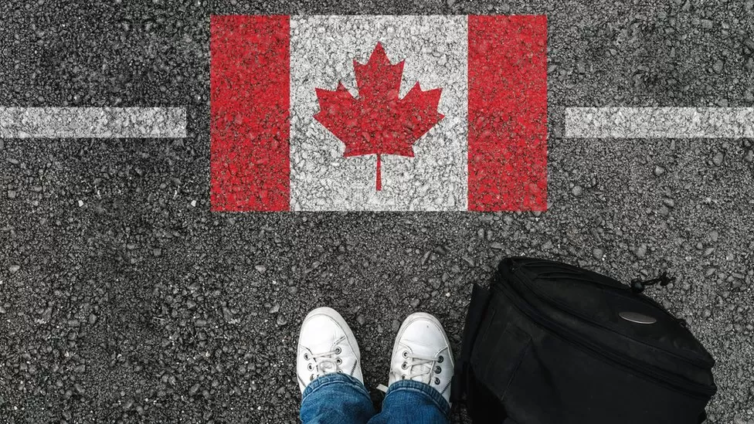
Canada has announced a sharp cut in the number of immigrants it allows into the country in an effort to "pause population growth", marking a notable shift in policy for the Justin Trudeau government.
As part of the changes, Canada will reduce the number of permanent residents in 2025 from a previous target of 500,000 to 395,000 - a 21% drop.
Prime Minister Trudeau said his government "didn't get the balance quite right" when it bolstered immigration post-pandemic to address labour shortages.
Public support for immigration in Canada has been waning, with opinion polls suggesting rising concern over the growing numbers and its impact on housing and social services.
The move comes on the heels of already announced reduced targets for both international students and temporary foreign workers.
On Thursday, Trudeau and Canada's immigration minister Marc Miller announced further cuts, this time to the number of new permanent residents.
The goal, Miller said, is to set a smaller target of 365,000 new permanent residents by 2027.
This reduction will pause population growth in Canada over the next two years, Trudeau said, giving provinces time to catch up on bolstering their healthcare programmes and housing stock.
The prime minister said that "Canadians are justifiably proud" of their welcoming immigration system, which he said had helped bolster the country's economy and build diverse communities.
“Our immigration system has always been responsible and it has always been flexible,” Trudeau said. “We are acting today because of the tumultuous times as we emerged from the pandemic, between addressing labour needs and maintaining population growth, we didn’t get the balance quite right.”
The vast majority of Canada’s population growth last year - about 97% - was driven by immigration, according to federal data.
At the same time, Canada’s unemployment rate has increased to 6.5% and stands at over 14% for young people.
The move marks a departure from decades of open immigration policies in Canada, which have relied on newcomers to meet population targets and to fill labour gaps.
Since Trudeau was elected in 2015, his government has raised annual permanent resident targets from 272,000 to 485,000 this year. The biggest jump was seen in 2021 after the Covid-19 pandemic.
Trudeau and his government have been criticised for increasing immigration without bolstering services or housing construction, and economists have warned that Canada's rapidly growing population has put a strain on housing and public services like healthcare.
Earlier this month, a poll by the Environics Institute, which has tracked Canadians' attitudes towards immigration since 1977, revealed that 58% of Canadians now feel that immigration levels were too high.
The institute said the findings suggest that public opinion on immigration levels has "effectively flipped from being acceptable (if not valuable) to problematic".
The cuts to immigration targets have been criticised by advocacy groups like the Migrant Rights Network, which wrote in an open letter to Trudeau and Miller that migrants are being unfairly blamed for Canada's affordability crisis.
"Migrants are not responsible for Canada’s housing crisis, lack of jobs, or inadequate healthcare or other public services," they said.
The group added that these issues are rather a result of "decades of federal and provincial policies that have underfunded and privatized public services".
Latest Stories
-
When the Gospel Becomes a Weapon: The church, blackmail and the abuse of faith
13 minutes -
JoyNews’ Jacqueline Ansomah Yeboah selected for UK Media Excellence for Emerging Technology Fellowship
30 minutes -
Mental Health Alliance urges government to operationalise Mental Health Fund
45 minutes -
Ghana–Holy See agreement heads to Parliament after Cabinet approval
49 minutes -
Luv FM Corporate Games 2026: Kumasi Central Prisons, Amanfiman Bank win big amid fun
1 hour -
WAFU B U17: Ghana top Group A after win over Togo
1 hour -
Ho Central Mosque reopens amid unresolved leadership dispute that led to closure
3 hours -
Minority caucus questions GH¢16.4m in Ablakwa’s SA evacuation spending, demands independent audit
3 hours -
Gender Ministry meets Nana Akua Addo’s husband over domestic violence after hospital discharge
4 hours -
UG Vice-Chancellor urges swift operationalisation of National Research Fund
4 hours -
Pope Leo to have surgery after lump found in lung
4 hours -
Joseph Cudjoe writes: Ghana must break free from the dangerous mindset that natural resources are the foundation for wealth
5 hours -
Children among 109 dead after boat capsizes off Djibouti, UN says
5 hours -
OmniBSIC Bank’s 11th health walk promotes fitness and business growth
5 hours -
2026 World Maritime Day: Danish Embassy organises “The Gulf of Guinea Speaks”
5 hours