

Audio By Carbonatix
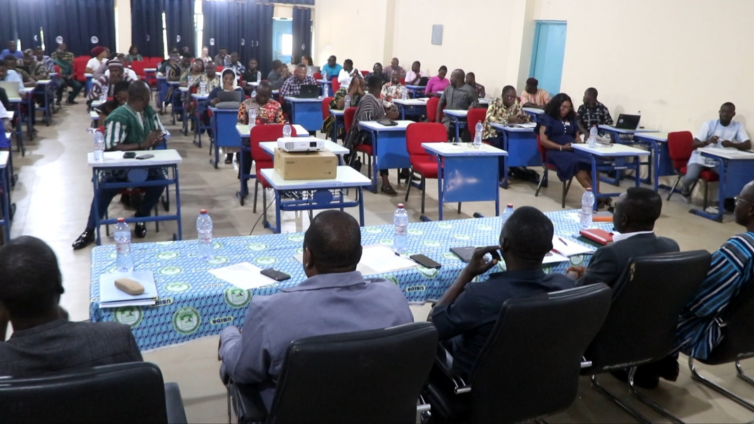
Backed by funding from the Irrigation Company of Upper Region (ICOUR) and the Fidelity Bank Wa branch, the Faculty of Social Science and Arts at the University of Business and Integrated Development Studies (UBIDS) has launched its maiden Economic and Social Policy Dialogue.
Driven by the rapid pace of technological change, demographic shifts, and climate challenges, the two-day forum aims to bridge the critical gap between academic research, industry, and government policy to foster evidence-based decision-making.
Initially targeting stakeholders in the Upper West Region, the university intends to institutionalize the forum for eventual national coverage, a move expected to culminate in the publication of actionable policy briefs to guide national development strategies.
Operating under the theme, "Building Inclusive and Resilient Economies: Policy Pathways for Job Creation, Digital Innovation, Social Protection, and Climate-Smart Development," the dialogue brought together policymakers, academics, and industry experts to address structural economic challenges and youth development.
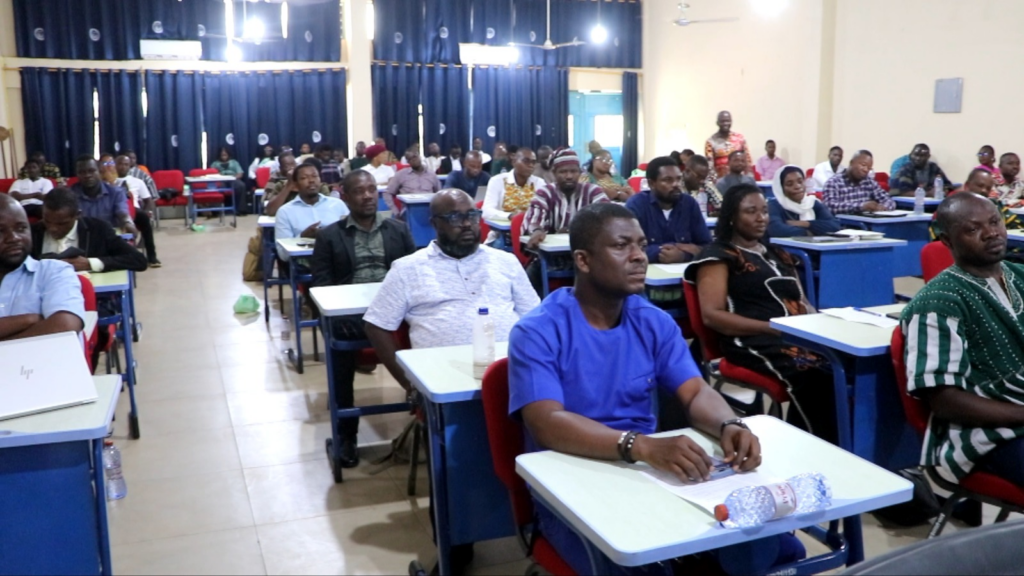
Representing the Vice-Chancellor, Prof. Emmanuel Kanchebe Derbile, Pro Vice-Chancellor Prof. Issaka Kanton Osumanu formally opened the event, highlighting the university's establishment of a Center for Career Guidance and Entrepreneurship Development to equip students for the workforce.
"It serves as a platform for strengthening existing initiatives, bridging the gap between strategy and implementation," Osumanu stated.
Dean of the Faculty of Social Science and Arts Prof. Naasegnibe Kuunibe called for strategic collaboration to address the employment deficit.
"Universities are engines of knowledge creation, innovation, and human capital development, while industry serves as the critical bridge translating these ideas into real-world applications," Kuunibe noted.
Delivering the keynote address, Prof. Joshua Yindenaba Abor warned of the paradox of economic growth failing to translate into broad-based societal transformation.
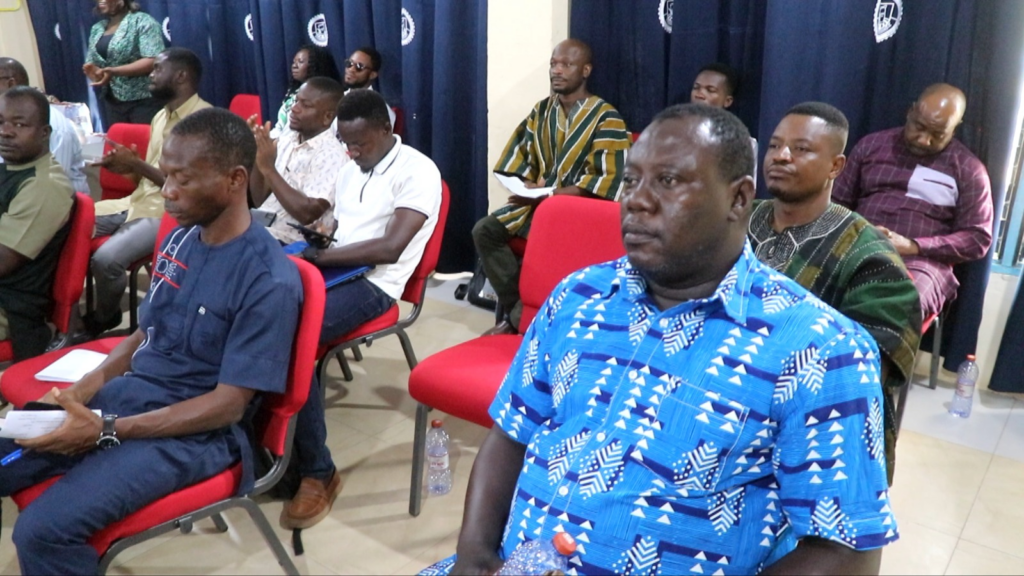
Abor outlined four critical policy pathways for Sub-Saharan Africa: empowering small and medium-sized enterprises, expanding digital infrastructure, establishing universal safety nets, and decoupling development from environmental degradation through green industrial policies.
Taking the stage as the first panel speaker, Deputy Chief Executive Officer of the Social Investment Fund Mr. Puo-Ire Prosper, addressed structural economic bottlenecks, reiterating the necessity of inclusive economic policies that protect vulnerable populations while fostering long-term resilience.
Following him, National Coordinator of the National Apprenticeship Programme Mr. Nicodemus Naamwin-Beter Dometiero Dery highlighted Ghana's "digital dividend paradox."
Dery noted that while internet penetration is projected to reach 74.6 percent by late 2025, productive social media usage remains low, failing to automatically translate into job creation.
He outlined the government’s target to train 500,000 individuals over four years to formalize informal sector training and fix current skills mismatches.
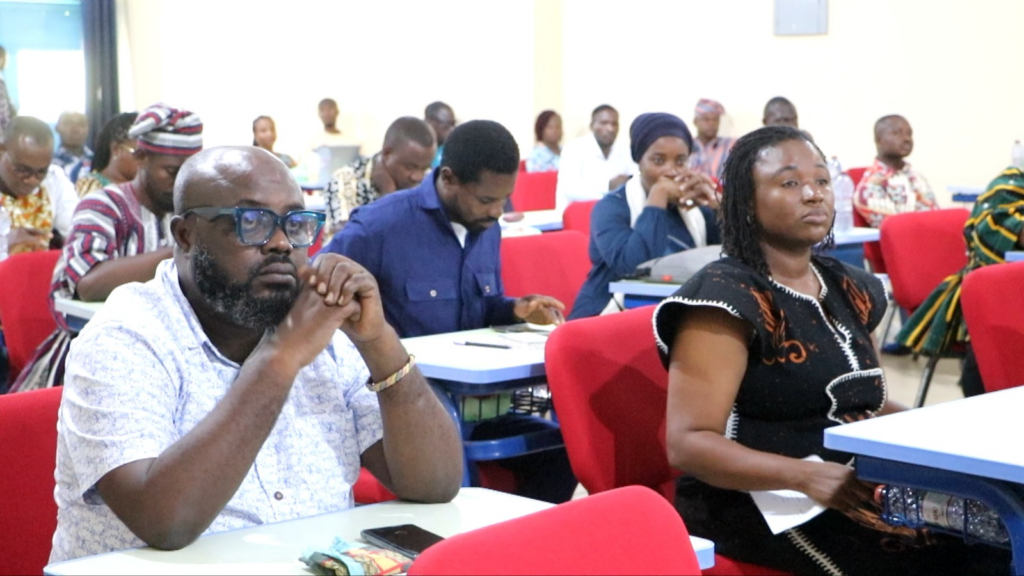
Project Management Expert Mr. Eric Z. Banye also advocated for a transition to a green economy to protect African economies from climate shocks like droughts and floods.
Banye criticized the siloed approach of government ministries and called for integrated policy frameworks driven by localized green financing and human capital investment.
Latest Stories
-
Power restoration fault suspected in Kumasi Central Market fire
4 hours -
The 7-foot giant of Ngleshie Amanfro: Seven-foot Ghanaian Ephraim Saawa dreams of joining the national basketball team
5 hours -
Government promises support for Kumasi Central Market fire victims
5 hours -
Vibes The Movie: Big Ghun’s Ghanaian film earns five nominations at 2026 REFFA
5 hours -
MamaCare CEO warns unresolved conflicts among health workers could undermine maternal and neonatal care
6 hours -
Health professionals urged to translate medical knowledge into practice to save mothers
6 hours -
Conflicts among care providers linked to maternal, neonatal deaths – Expert
7 hours -
GIS marks 10th TIME conference, champions improved teaching practices
7 hours -
BRICS Or Balance? What Ghana’s bid really means
8 hours -
GPRTU wants full TRAFFITECH-GH implementation to start in 2027
8 hours -
How 10-mile walks for basic education birthed a 50-year legal career for Justice Korbieh
8 hours -
Mahama announces plans to import electric wheelchairs for PWDs
8 hours -
KGL U17 Colts 2026: Western beat Prempeh Elite Academy to set up final final with Greater Accra Region
9 hours -
Late Solanke strike salvages 10-man Spurs draw at Man United
9 hours -
Gender Ministry to monitor welfare of Nana Akua Addo’s children amid domestic violence case
9 hours