

Audio By Carbonatix
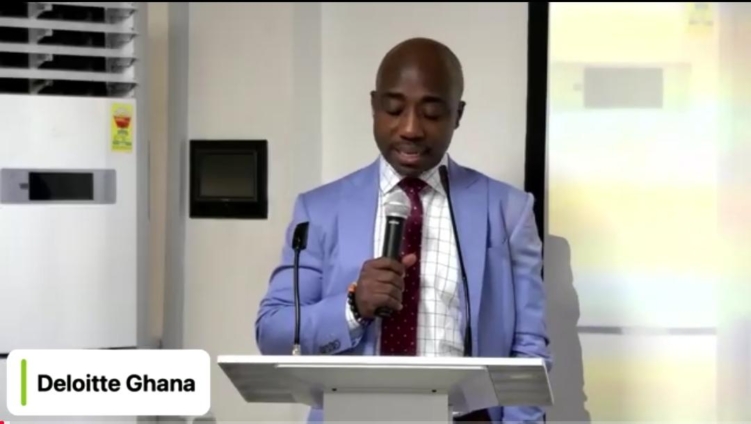
A Partner, Strategy, Risk and Transactions, at Deloitte, Yaw Appiah Lartey, has said that unlocking Ghana’s full investment potential requires more than a conducive climate.
According to him, this demands expert guidance to navigate complex transaction processes and develop robust, investor-ready business strategies.
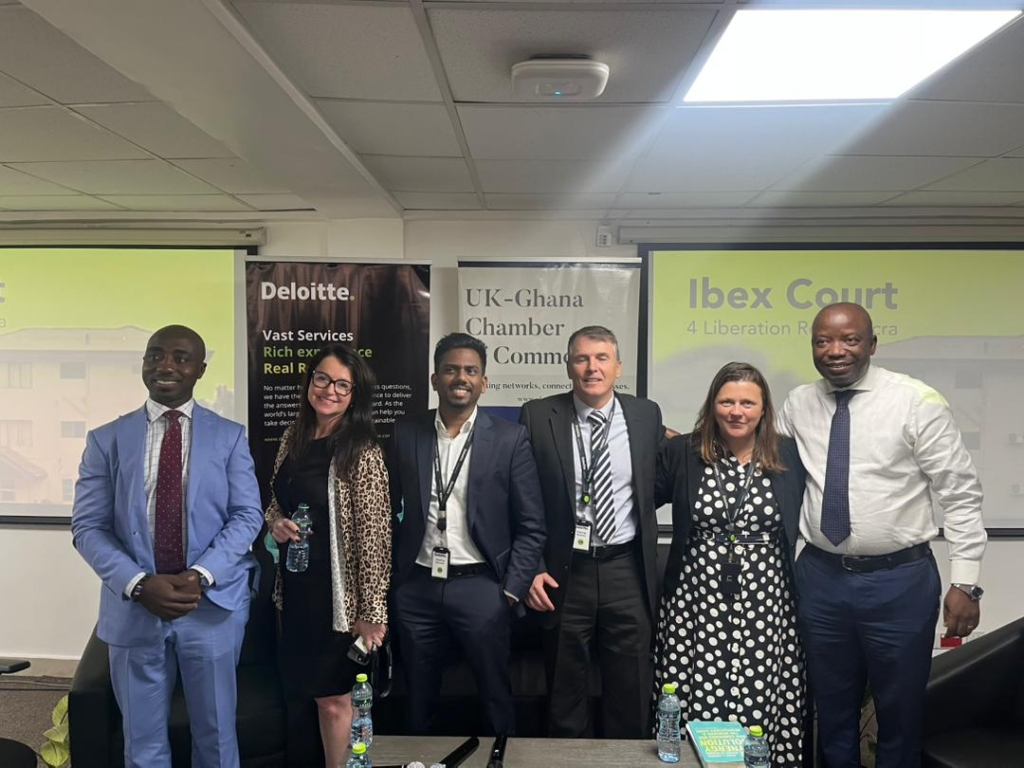
Mr. Lartey who also doubles as an Africa Infrastructure Partner, disclosed this at the third in a series of Deloitte and the UK Ghana Chamber of Commerce (UKGCC) Thought Leadership Series on the topic: “Enhancing the Investment Climate in Ghana - The Role of Transaction Advisors for Business Expansion and Growth”.
“Transaction advisory services—covering finance, legal, governance, and ESG [Environmental, Sustainability and Governance] - are especially critical for Small and Medium Enterprises (SMEs) seeking to bridge the “investment readiness gap.” Programmes like Deal Source Africa, supported by Impact Investing Ghana and British International Investment, are working to build advisors' capacity and align services with investor expectations”, he mentioned.
“At Deloitte, we are proud to be part of this transformation. With deep expertise in strategy, risk, and transaction advisory, we support businesses through every stage of the investment lifecycle—from strategy refinement and financial modelling to deal execution and post-merger integration (PMI)”, he added.
Ghana is one of West Africa’s most dynamic and business-friendly economies. With a growing middle class, a vibrant entrepreneurial ecosystem, and rich natural and human resources, the country offers compelling opportunities for local and foreign investors.
In 2024 alone, Ghana attracted over US$620 million in Foreign Direct Investments (FDIs). Notably, 140 projects were registered, with the Services and Manufacturing sectors leading the way. In the first half of 2025, FDIs surged by 382%, signaling renewed investor confidence.
Yet, despite this promising environment, Mr. Lartey pointed out that many businesses—especially SMEs, which account for 70% of Ghana’s GDP face significant challenges in accessing capital for expansion and growth. These challenges arise from limited financial literacy, regulatory hurdles, and the underutilization of technology, among other factors.
The event was part of Deloitte’s “Investment Readiness 101” webinar series, which brings together business leaders, investors, and advisors to explore how professional transaction advisory can accelerate business growth in Ghana.
The first one was held on 8th April 2025, on the topic “Demystifying investor expectations: What you need to know before seeking capital.”
The second event was held on 13th August 2025, on the topic “Enhancing the Investment Climate in Ghana: The Role of the Government.”
Latest Stories
-
Lawrence Kobena Nsarko Otoo, Esq
37 minutes -
Bel-Aqua intensifies mental well-being campaign ahead of 15th anniversary
40 minutes -
From banking to party finances: Alfred Kwadwo Thompson elected NPP Treasurer
44 minutes -
George Christian Papa Mends
49 minutes -
Ali Suraj elected NPP NASARA Coordinator
1 hour -
Mustapha Hamid misses out on NPP Vice Chairmanship by 31 votes despite early poll lead
1 hour -
Kojo Bamba, Henry Nana Boakye and Nana Akomea elected NPP Vice Chairmen
2 hours -
From Delta Force to NPP First Vice Chairman – Kojo Bamba’s political journey
2 hours -
Police restore calm at Larteh following Odwira festival disturbance
3 hours -
‘All the camps will dissolve’ – Bawumia demands one NPP for 2028
3 hours -
There is no time to waste – Bawumia orders NPP to begin 2028 work
3 hours -
Sarkodie visits MobileMoney Fintech LTD
3 hours -
John Boadu unveils new NPP strategy to win back youth and modernise party
3 hours -
Hawa Koomson elected NPP National Women’s Organiser
3 hours -
John Boadu begins NPP rebuild from grassroots ahead of 2028 election
3 hours