

Audio By Carbonatix
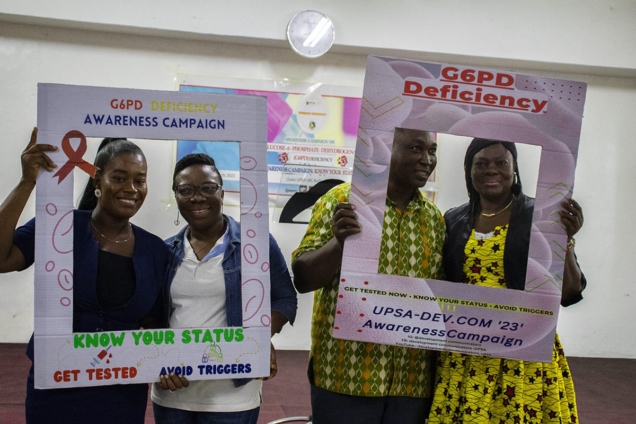
Development Communication students from the Department of Communication Studies at the University of Professional Studies, Accra (UPSA), have launched an awareness campaign on Glucose-6-phosphate dehydrogenase (G6PD) deficiency.
The aim of the campaign is to educate members of the University Community and the general public about the importance of knowing their G6PD status.
G6PD deficiency is a genetic condition that causes red blood cells to break down when the body is exposed to certain foods, drugs, infections or stress.
The deficiency occurs when a person is missing or has low levels of the glucose-6-phosphate dehydrogenase enzyme.
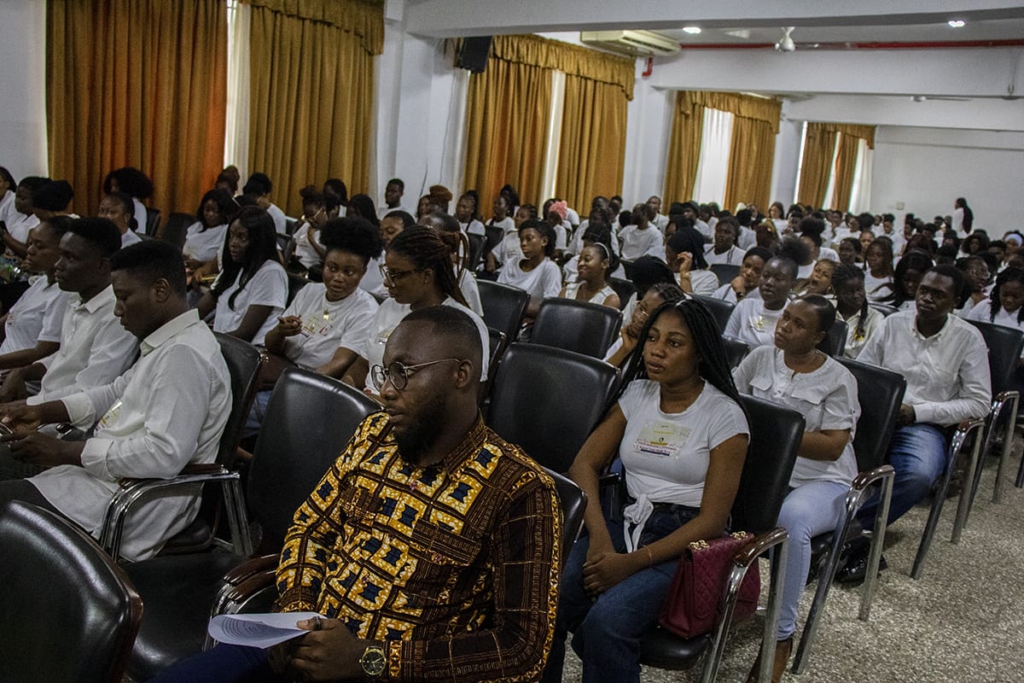
Speaking at a symposium to build public awareness of the condition, Sandra Yeboah, a Project Lead and Development Communication lecturer at UPSA, shared her near-death experience with G6PD deficiency and emphasised the need for the disease to be given the attention it deserves.
Madam Yeboah called for the inclusion of the G6PD deficiency test in all mandatory medical examinations in the country to help people know their status.
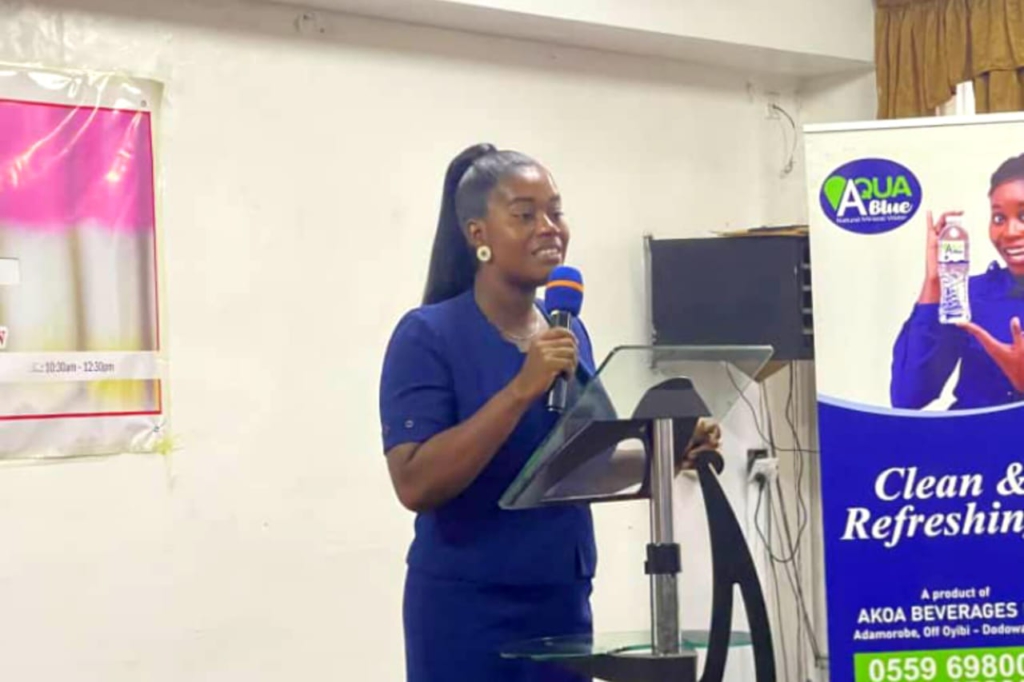
She believes that this will improve patients' lives and spur more research.
Dr Worlanyo Senadza, a medical practitioner at the UPSA Medical Directorate, explained that the destruction of red blood cells can be triggered by certain foods, such as fava beans, and certain medicines, including antimalarial medication, aspirin, nonsteroidal anti-inflammatory drugs (NSAIDs), quinidine, sulpha drugs, and antibiotics, among others.
He said although G6PD deficiency is rarely a life-threatening condition, it can cause serious medical conditions such as hemolytic anemia in adults and severe jaundice in newborns.
The Head of the Department of Communication Studies, Dr Adwoa Sikayena Amankwah commended the final-year communication students for their project, which she described as the "first of its kind."
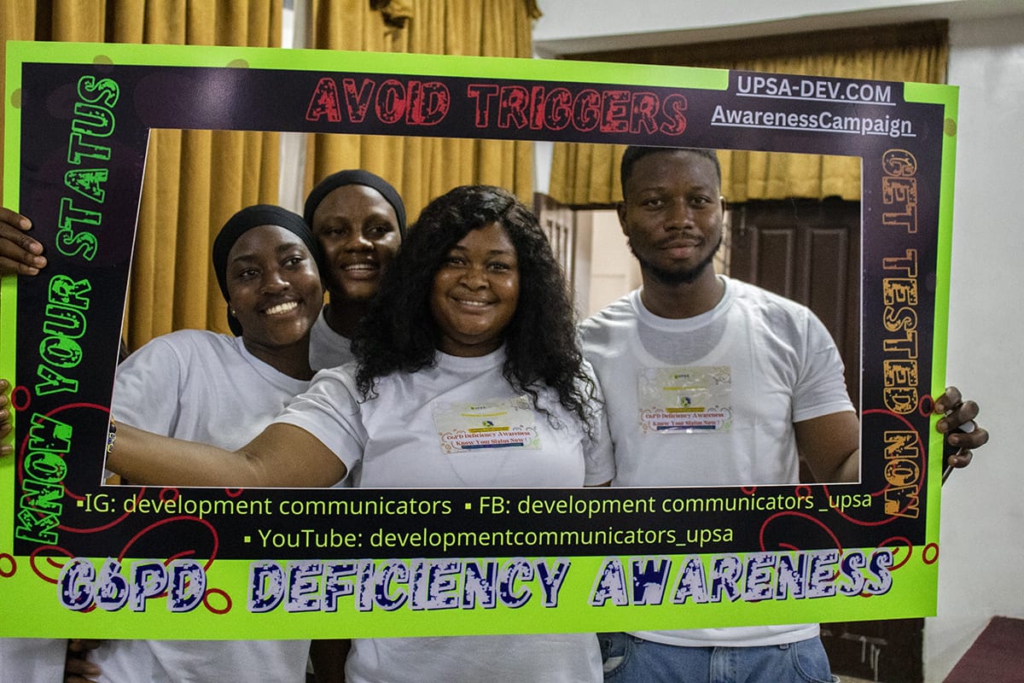
She revealed that the Department will incorporate the awareness campaign into its yearly programme, where final year students pursuing the Development Communications course can showcase their academic creativity through communication initiatives that address social issues and contribute to the socio-economic development of the country.
Dr Amankwah highlighted the role of the faculty in guiding students with the theoretical and practical knowledge necessary to bring out the best in them.
"Our role as faculty is to guide you with the theoretical and practical knowledge necessary to bring out the best in you, the initiatives in you, the creativity in you, and the latent talent in you," she said.
"This is what UPSA is about, and I am personally excited to be part of this initiative."
Latest Stories
-
I leave with respect, gratitude and pride – Carlos Queiroz
10 minutes -
Stop turning investigation into punishment – OccupyGhana tells EOCO, BNI
10 minutes -
GPL 2026/27: Medeama go top after win over Port City
22 minutes -
Manhyia South MP Baffour Awuah reports himself to EOCO after arrest warrant
33 minutes -
Ghana records 11 cocaine cases in 28 drug busts since March 2025; biggest hauls seized abroad
35 minutes -
The numbers behind Carlos Queiroz’s tenure as Black Stars boss
43 minutes -
The man who saw tomorrow: How Dr Bawumia built for Ghana what America and Nigeria are building today
1 hour -
Kumasi drivers demand price controls for goods, brand some traders as real ‘Kalabule’
1 hour -
Consumer Protection Agency commends FDA for destroying illegal bales of diapers
1 hour -
GNFS rescues stranded persons after flooding in Hohoe
2 hours -
Baffour Awuah deliberately refused to honour EOCO invitation – Deputy AG, Srem-Sai
2 hours -
‘Believe in these players’ – Carlos Queiroz tells Ghanaians after leaving Black Stars job
2 hours -
Gideon Boako: GoldBod books must be stretched to establish true nature of reserves support
2 hours -
ECG announces planned maintenance outage in parts of Accra on Friday
2 hours -
Carlos Queiroz sacked as Black Stars head coach
2 hours