

Audio By Carbonatix
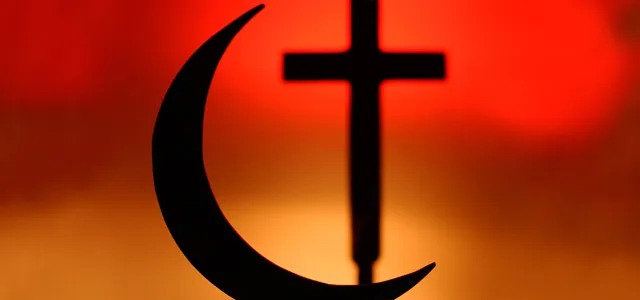
On 10 August 2025, Presidential Envoy for Interfaith and Ecumenical Relations, Elvis Afriyie Ankrah, issued a formal letter urging religious leaders to submit any prophecy “of a national nature”—particularly those touching on high-profile offices, governance, security, or public stability—for official review and escalation. Stated below is the main substance of the letter.
“As part of strengthening national coordination on spiritual matters…we kindly encourage you…that any prophecy or spiritual insight of a national nature…should be formally relayed to the Office of the Presidential Envoy for urgent review and appropriate escalation.”
Since the call went out, Mr. Ankrah’s office reports having received numerous prophecies, of which an estimated 70–80 per cent “lack substance” and are unworthy of further action. Only a small fraction—perhaps 2–5 per cent—merits deeper probing. This filtering process illustrates both the challenge of distinguishing genuine spiritual insight from speculation and the administrative burden on a secular government to vet religious content.
Ghana’s 1992 Constitution establishes a secular republic, meaning the state guarantees equal treatment of all faiths without elevating any particular religion above others. Yet, in its Preamble, the Constitution invokes “In the name of the Almighty God,” suggesting a collective belief in a guiding divine force as Ghanaians gave themselves this charter. Aside from the Constitution, the national pledge concludes with an appeal to God to help us undertake our promise, while the anthem calls on divine blessing to uphold the homeland.
Despite secularism, expressions of faith permeate our public life. At official ceremonies like Independence Day (6 March), religious leaders lead prayers. Cabinet meetings are opened with said prayers. Same with Parliamentary proceedings. These rituals testify to the enduring role of faith in national cohesion, even as the state maintains formal neutrality. While preventing state endorsement of any single creed, this is a deliberate balance of acknowledging individual spirituality.
When a state affirms secularism, religion becomes a matter of private conscience. Individuals find meaning in something greater than themselves, especially in times of crisis, but these experiences vary widely. So, how about each man praying to their God(s), and no man bringing their God(s) into national politics. Let each person pray freely, but keep spiritual practice separate from the formal machinery of the republic. A Presidential office dedicated to vetting prophecies exceeds the state’s secular mandate.
Secularism in Ghana does not banish religion from public life; it simply ensures no single faith predominates in policy or governance. The constitutional invocation of God reflects our collective aspirations. It is not the mandate of the Presidency to “strengthen national coordination on spiritual matters.”
The President may retain personal spiritual advisers “especially in these times of uncertainty and complexity”, but matters of “governance, national security, or public stability” belong to professional institutions, not ecclesiastical review boards. Faith, “the substance of things hoped for and the evidence of things unseen,” should inspire individuals—not be nationalised or politicised.
According to checks conducted by our Founding President, no such department has been sanctioned or authorised by the President to operate.

Latest Stories
-
A source of excellence across generations – Vice President Opoku-Agyemang lauds Mfantsipim
1 hour -
(Photos) Mfantsipim School launches historic 150th anniversary
1 hour -
Knights and Ladies of Marshall group backs Catholic Bishops’ stance on anti-LGBTQ+
2 hours -
Bright Simons writes: All the Filla in the Ibrahim Mahama/E&P – Gold Fields Saga
3 hours -
Monetise Idiocy In Ghana
3 hours -
The Ghanaian prophet and the mysterious death of his scottish wife Charmain Speirs
4 hours -
Nearly 400 sentenced in Nigeria for links to militant Islamists
4 hours -
Ghana’s recovery supported by gold strength despite global oil price pressures – Standard Bank Research
4 hours -
Methodist Church hails Mfantsipim@150; calls for “fresh consecration” to excellence
4 hours -
‘Excellence is our inheritance’ – Nana Sam Brew-Butler hails Mfantsipim’s 150-year reign in leadership
5 hours -
Kwaku Azar writes: A-G vs OSP
5 hours -
Mfantsipim–Adisadel rivalry built excellence, not division – Sam Jonah
5 hours -
Vice President launches Mfantsipim’s 150 years of shaping Ghana’s greatest mind
5 hours -
I assure Otumfuo, Mahama will join him to commission KNUST Teaching Hospital by end of this year – Haruna Iddrisu
6 hours -
Barcelona dominate derby to extend La Liga lead
6 hours