

Audio By Carbonatix
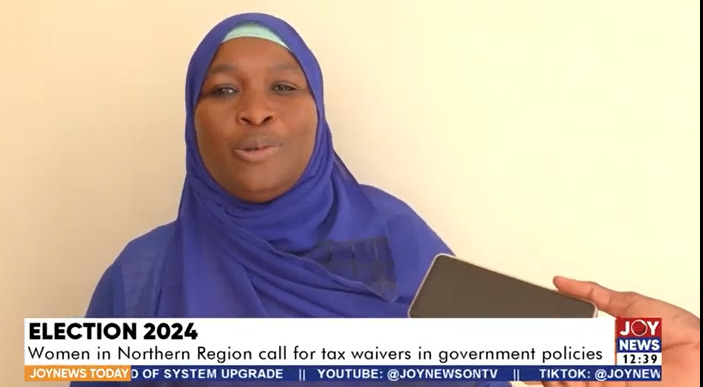
Women in the Northern Region are urging political parties to provide clear timelines for implementing economic policies tailored to their needs. They are also advocating for tax waivers to be included in policies proposed by the next government.
This call was made during a policy dialogue held in Tamale under the theme “Sustainable Development, The Economy We Want."
The event, organised by Swida and its partners, aimed to offer women from various economic sectors a platform to engage political parties and seek clarity on their manifestos.
The Executive Director of Swida, Alima Saeed, emphasized the importance of accountability in governance. “Many political parties emphasize their plans for women, and we believe it is crucial to create forums where women can understand, demand accountability, and actively participate in governance after elections,” she said.
One key issue discussed was the tax burdens faced by women, particularly those in rural areas. A Gender advocate and administrator at the University for Development Studies (UDS), Faidatu Alhassan, highlighted how high tax rates negatively impact women in agribusiness, small-scale enterprises, and trade.
“Most of these women end up paying excessive taxes on the goods and services they procure, making it difficult for them to earn a sustainable living,” she explained.
The Northern Regional Director of the Department of Gender also expressed concerns about inequitable resource allocation. “If you claim to empower women, focus should be placed on local women who typically require smaller sums of capital to start or sustain their businesses. Policies must ensure that these women, and not just a select few, truly benefit,” she stated.
Queen Mother of Damongo, Alidjatu Haruna, called out the lack of effective implementation of policies designed to support women. “Political parties may present excellent policies, but implementation remains a major challenge. Take affirmative action, for example, how many women are in key decision-making positions? How many represent their district assemblies? Despite lobbying, the desired outcomes are not achieved,” she noted.
The dialogue underscored the need for political parties to go beyond rhetoric by presenting realistic, measurable plans that address women’s economic challenges while ensuring inclusive policy implementation.
Latest Stories
-
Kosmos Energy, Eni, TotalEnergies and AGL Win Big at African Energy Awards
18 seconds -
Government secures financing to fix water shortages in Tamale, Yendi and Damongo
25 minutes -
NSA extends 2026/2027 National Service registration deadline to October 23
54 minutes -
Mahama reaffirms commitment to private investment and industrial growth
1 hour -
‘We have been used and dumped’ – NDC’s James Agbey warns over grassroots neglect
1 hour -
Ghana defender Marvin Senaya begins training ahead of comeback
1 hour -
Joyce Bawah Mogtari urges women leaders to build strong support networks
2 hours -
Bawumia engages GUTA over import duties, VAT and rising business costs
2 hours -
Fuel prices begin to fall as Star Oil cuts petrol to GH¢16.45
2 hours -
GoldBod supplies banks with US$282m in weekly forex sales
2 hours -
Joyce Bawah Mogtari says Obaasima Conference should help women connect and learn
2 hours -
Ghana’s Crude Oil Production Rebounds by 30% After Five Years of Decline
2 hours -
Nzema East launches Responsible Cooperative Mining Programme to tackle environmental destruction
2 hours -
Ghana included in WHO lead-testing programme as questions remain over local exposure risks
2 hours -
2026 Amputee World Cup: We will win the trophy – Samson Deen
2 hours