


Audio By Carbonatix
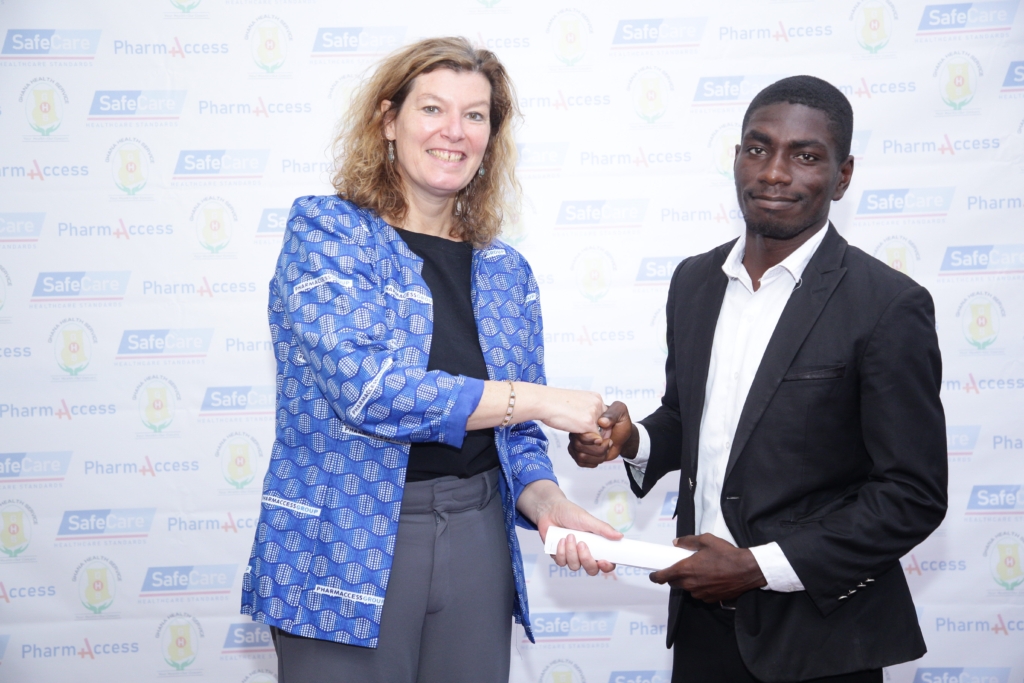
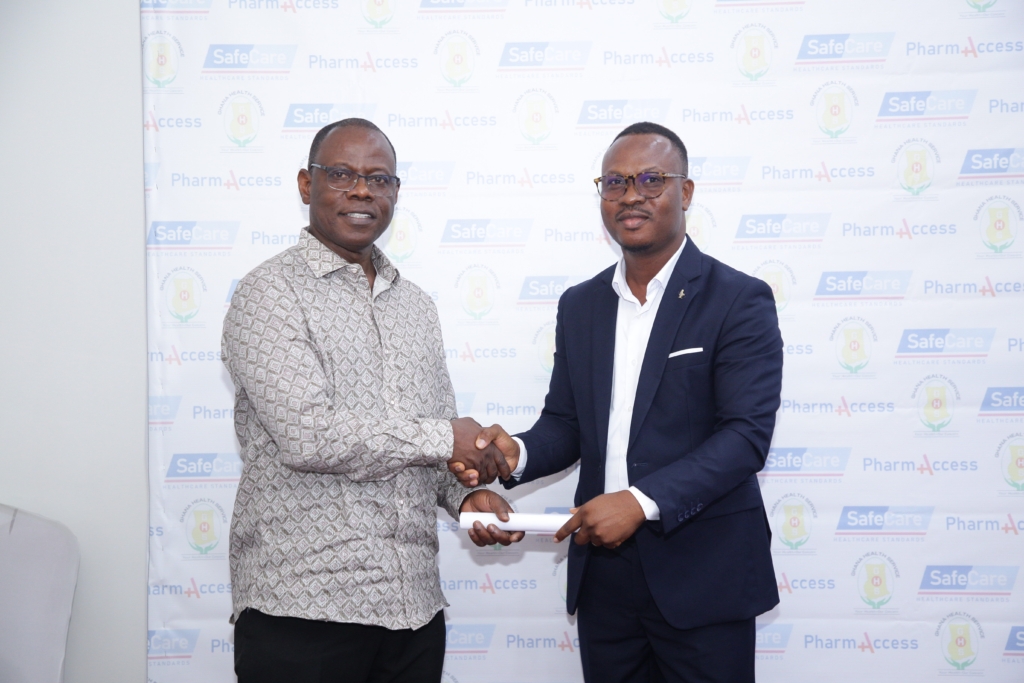
Nineteen staff of the Ghana Health Service (GHS) have received SafeCare certification after a rigorous training under the auspices of PharmAccess.
This development represents a significant milestone in institutionalising quality healthcare delivery across Ghana’s public health system.
It also signals the GHS’s commitment to addressing the systemic gaps that have resulted in a growing number of lawsuits for negligence and substandard care.

The training programmd forms part of the SafeCare initiative, a global effort aimed at improving the quality and safety of healthcare services. The assessors underwent an intensive selection and training process that involved regional nominations, classroom instruction, supervised assessments, and virtual sessions.
These professionals are now equipped to support healthcare facilities across the country in assessing performance, identifying gaps, and implementing targeted improvements.

Speaking at the graduation event in Accra, Director-General of the Ghana Health Service, Dr. Patrick Kuma-Aboagye, did not mince words about the stakes involved.
“Nowadays, as you’re aware, you get sued. Ghanaians are smarter now, and all the suits are because we did not take our quality processes seriously. Judges are giving huge fines, and now they’re garnishing our accounts. It’s about the right time we address this,” he indicated.

Dr. Kuma-Aboagye emphasised that the Service aims to institutionalise the SafeCare system as a core aspect of its operations.
“The vision of the Ghana Health Service and all of us here is to institutionalize the SafeCare system to make it a culture for the entire service. This way, service delivery will be linked to quality and safety, and every health worker will be empowered with quality improvement, working in improvement teams to continuously improve quality of care using data and evidence-based methods,” he explained.

The assessors underwent a rigorous selection and training process. According to the event’s facilitators, “Each of the ten regions selected and submitted three districts with one network per district. Four eligible assessors were submitted by the ten regions, and two were shortlisted to represent the regions.”
The process included a one-week classroom session, a supervised in-person assessment, and virtual meetings.
“The trained assessors will train implementing facilities in their regions and conduct quality improvement trainings. They are now properly baked and ready to support their respective regions to measure their outcomes, identify areas for improvement, and institute measures to address the gaps,” the Director-General revealed.

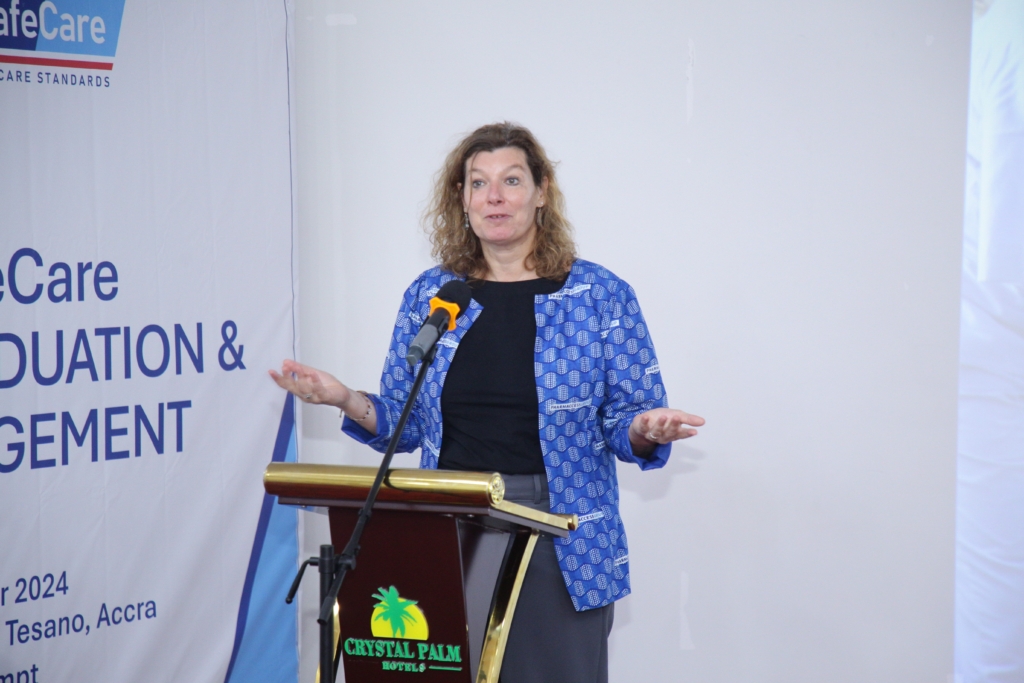
CEO of PharmAccess and Founder of SafeCare, Dr. Nicole Spieker, commended the Ghana Health Service for prioritising quality healthcare delivery, highlighting the global implications of poor healthcare standards.
“Globally, five million people die annually due to poor-quality healthcare, and three million die because of lack of access. Quality improvement is key. It’s not just about infrastructure but about leadership, attitude, and investment,” she said.
Dr. Spieker urged the Ghana Health Service to continue the journey of institutionalising quality improvement in healthcare delivery adding that, “Ghana is paving the way for other African countries in the journey towards universal health coverage.”
The newly certified assessors pledged to apply their skills to elevate healthcare standards in their regions.
“We acknowledge the rigour and intensity of the training we have undergone. It’s with immense pride and joy we stand here, ready to contribute as certified assessors, facilitators, and mentors. We pledge to serve diligently in our respective roles, striving to enhance the quality of healthcare within Ghana Health Service as envisioned by our Director-General,” she said.

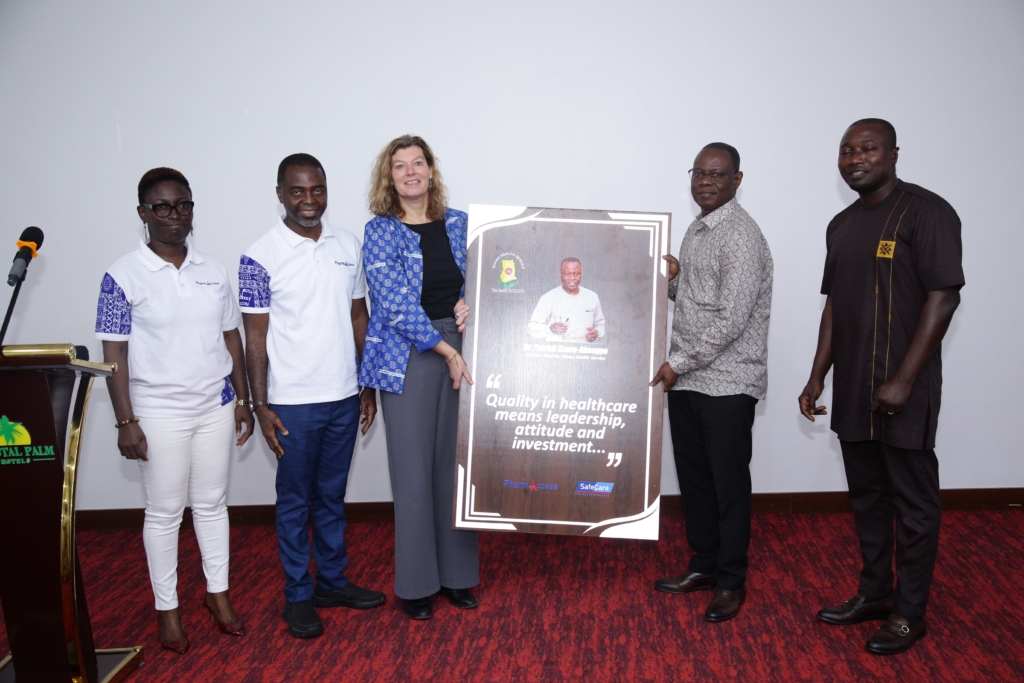
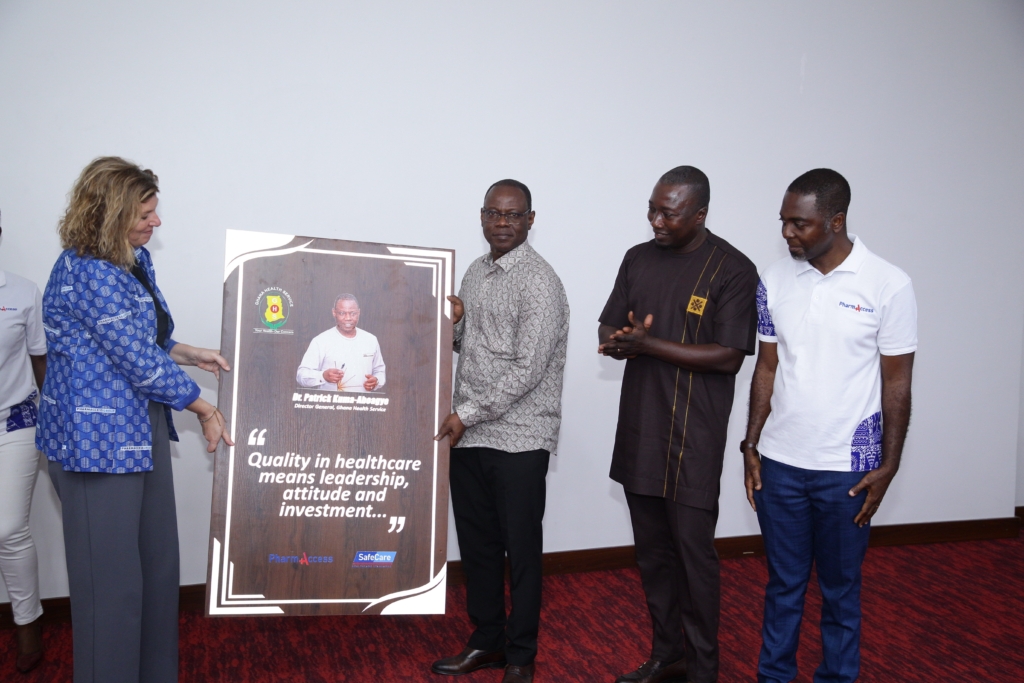
PharmAccess recognised the efforts of the Director-general of the Ghana Health Service, Dr. Patrick Kuma-Aboagye with a citation that read, “Quality in healthcare means leadership, attitude, and investment.”
The SafeCare initiative is set to expand nationwide, with the ten participating regions leading the way and plans to bring the remaining six regions on board.
This milestone reflects a renewed commitment by the Ghana Health Service to prioritise quality, safety, and accountability in healthcare delivery, setting a benchmark for transformative healthcare practices in the country.















Latest Stories
-
I assure Otumfuo, Mahama will join him to commission KNUST Teaching Hospital by end of this year – Haruna Iddrisu
12 minutes -
Gov’t to roll out free special education for persons with disabilities from July 1 – Education Minister
34 minutes -
“We used it to test our officiating officials’ readiness” – Bawah Fuseini after CAA Athletics event
1 hour -
Volleyball emerges as Ghana’s fastest rising sport
1 hour -
National Sports Fund needs strong leadership from the top – Administrator David Wuaku
1 hour -
JoySports Exclusive: Steve McLaren in talks with GFA after expressing interest in Black Stars job
2 hours -
Fire guts auto parts warehouse at Bubuashie, one fire officer injured
2 hours -
I owe my victory to coach Ofori Asare – Allotey after winning WBA Africa Gold Super Flyweight belt
2 hours -
Church of Pentecost supports over 2,000 BECE candidates in Obuasi with career guidance seminar
3 hours -
Brandon Asante and Coventry all but promoted to Premier League despite Sheffield Wednesday draw
4 hours -
GPL 2025/26: Late Kwartemaa strike downs Hearts in Tema
4 hours -
Ghana Faces Sierra Leone Moment as Prosecutorial Powers come under strain
4 hours -
Don’t consume fish or seafood from Tema Shipyard until further notice – FDA warns
4 hours -
Why volunteering might be Africa’s most underrated career accelerator
4 hours -
ActionAid Ghana raises concern over gender gaps in Feed Ghana Programme
4 hours