

Audio By Carbonatix
The Bank of Ghana is promising to continue to promote access to an inclusive financial system as by extension broad-based macroeconomic growth through its policy, regulatory, and supervisory tools.
To this end, it will promote the safety and soundness of financial institutions it regulate so that they are better able to provide finance to economic actors on a sustainable basis.
Again, it will monitor the implementation of Ghana’s Sustainable Banking Principles – a set of seven ESG –related principles launched in November 2019 by the Bank of Ghana, Ghana Association of Banks, and the Environmental Protection Agency – which enjoins banks to among other things, promote financial inclusion and gender equity internally and in relation to their products and services to clients.
Others are implementation of a new online reporting and analytics supervisory tool, the enhancement of critical credit market infrastructure such us the credit bureaux-based credit reporting system and ensuring tha regulation of the payments space is supportive of innovation and inclusion by allowing fintechs and other payments system service providers to partner with banks and other licensed financial institutions.
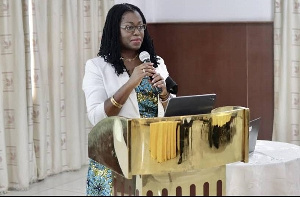
Speaking at the First + Gender Finance Workshop organised by Ghana Microfinance Institutions Network (GHAMFIN) and CapPlus, Second Deputy Governor, Elsie Addo Awadzi called on all stakeholders to get on board and see how best they can all work together to achieve the intended objectives of the First + initiative.
Access to finance for Micro, Small and Medium Enterprises remains a perennial challenge and most surveys including the Bank of Ghana business environment surveys confirm this. Women-owned MSMEs also face an even higher bar to accessing finance.
As of 2017, the World Bank’s Findex Report suggested that there was an 8% gender gap in access to finance in Ghana, and an average of 9% for Africa.
The Second Deputy Governor said the First + initiative is therefore timely and urgent, as part of efforts to help our economy recover from the pandemic and make it more resilient going forward.
“As this initiative focuses on the supply-side of access to finance by aiming to empower financial institutions to provide more products and services for MSMEs in a gender inclusive manner, it is important to understand what the constraints have been for our financial institutions beyond the sources of funding available to them, and how this initiative can address those constraints fully.”
“In addition, we need to also think about what the demand-side constraints have been, so that we can somehow address them to promote effective take-up of gender-inclusive MSME-focused products and services", she noted
Latest Stories
-
GNFS contains fire outbreak at Teshie Lekma Road near Lekma Hospital
3 hours -
Samia Nkrumah rejects the narrative that Ghanaians were happy after Nkrumah’s overthrow
4 hours -
A Mother’s pain: Tribute by Ivan Baidoo’s mother
4 hours -
‘Forgive us for staying away’ — Samia Nkrumah leads family back to Nkroful, pledges to preserve Nkrumah’s legacy
5 hours -
Ernest Nuamah scores twice as Lyon beat Rennes
5 hours -
‘My dear Ivan’ – A father’s tribute to a son tragically killed
5 hours -
GNPC Explorco advances Voltaian Basin drilling preparations with 13.5km access road
5 hours -
Cabinet approves facility manager for Borteyman Sports Complex – Kofi Adams
6 hours -
Sanitation is improving; critics may be ‘living in another world’ – Salaga South MP replies Bekwai MP
6 hours -
Government must do more to tackle sanitation crisis – Bekwai MP
6 hours -
World Cleanup Day: GFF begins sanitation education in local communities
6 hours -
EU Ambassador, IGP discuss stronger cooperation on policing and security
6 hours -
Africa Nations Volleyball Championship: Ghana set up quarterfinal clash with Cameroon after beating Chad
6 hours -
Meet Dr Benjamin Appiah Osei — Ghana’s three-time tourism awards winner
7 hours -
UEFA & CONCACAF demand Fifa pays $10m to all 211 members
7 hours