

Audio By Carbonatix
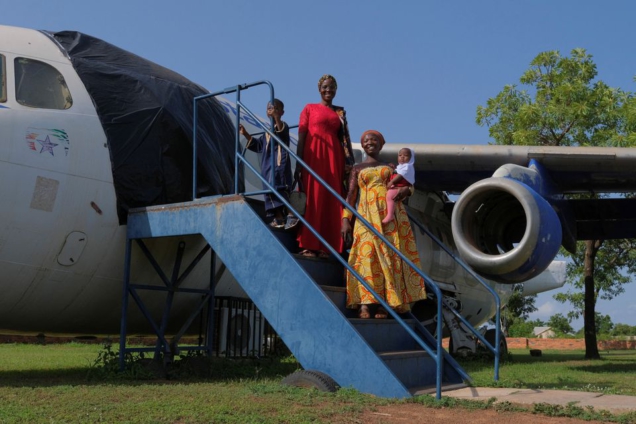
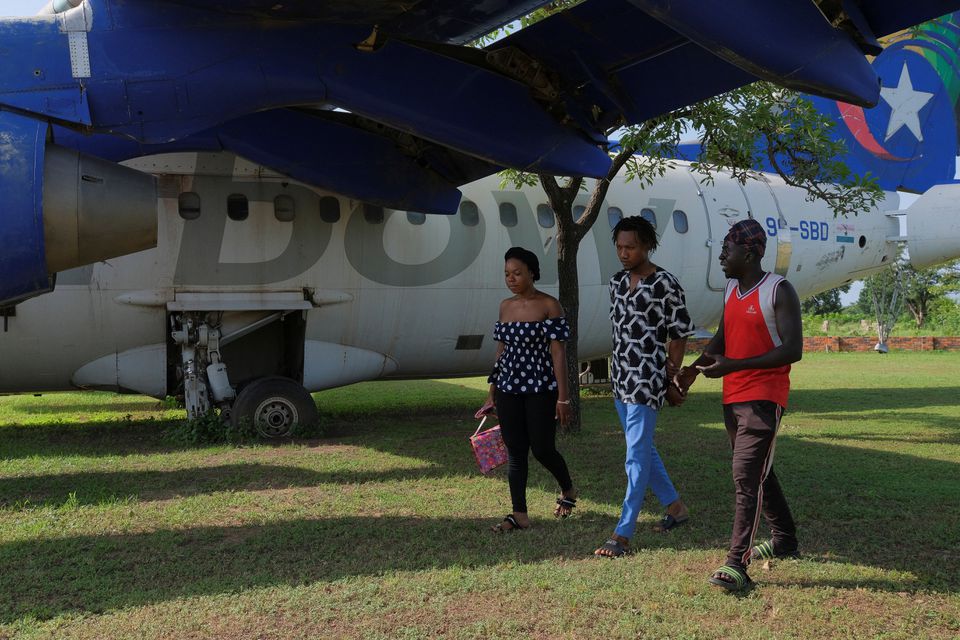
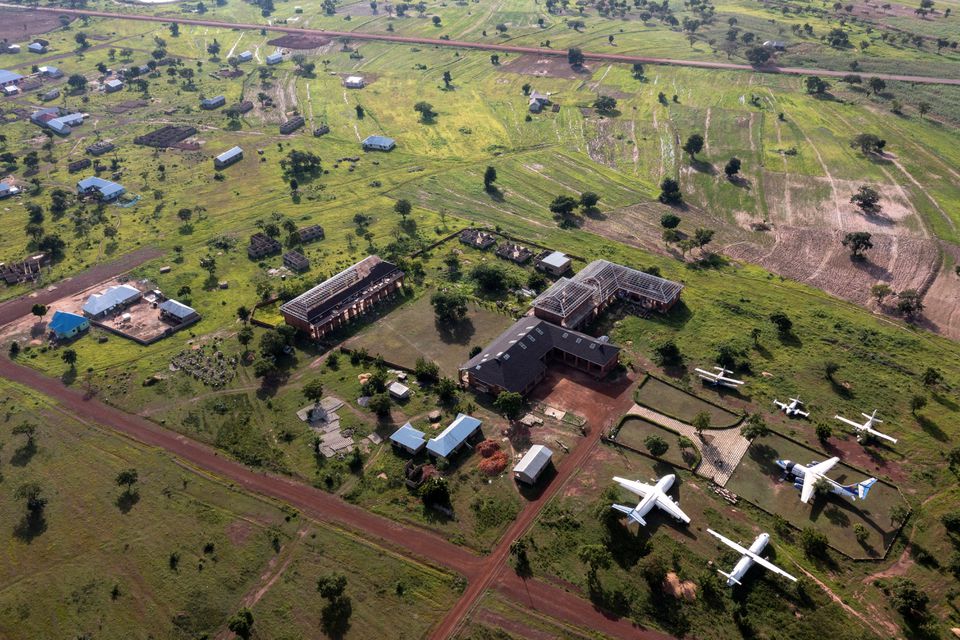
Hundreds of meters above the village of Jenakpeng in northern Ghana, a small drone locked its sights on six airplanes parked in the middle of a verdant field miles away from the nearest runway.
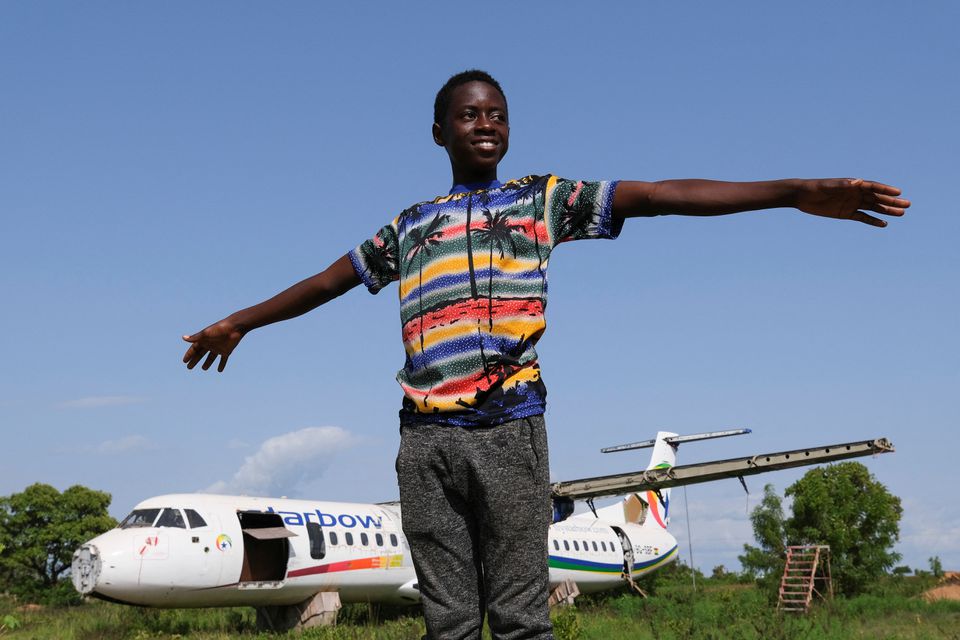
The drone's 16-year-old pilot, Jenakpeng native Abdul-Latif Zakaria, stood with his father Danaa in the shadow of a vintage Antonov cropduster, one of six planes that world-renowned artist Ibrahim Mahama has transformed into a community learning space.
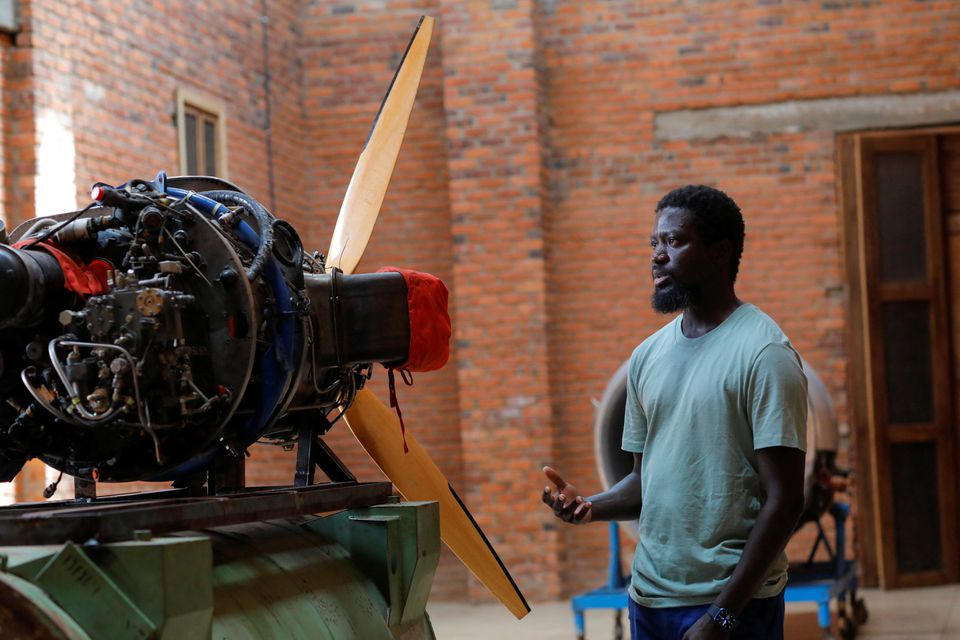
In 2021, Mahama bought the planes using proceeds from $1 million worth of sales to add to his Red Clay Studio, a multi-acre compound that functions as an open-door, education hub. During the school year, crowds of students like Zakaria attend lectures on the physics of flight, computer science, basic engineering and more - free of charge.
"It's not so much about inspiring artists, but producing thinkers," Mahama said of the facility, which he built in his father's village to give residents the chance to nurture critical thinking - a skill he believes necessary for creative and personal liberation.
"If children grow up to think differently from their predecessors, that's a step towards a certain kind of imminent change for our society," he said.
Red Clay contains several warehouse-sized buildings made from recycled materials and locally-sourced red clay bricks.
It also doubles as Mahama's personal workshop where he produces works that go on to sell for thousands, if not millions, of dollars.
The material choices are typical of Mahama, who made a name for himself repurposing unwanted objects like shoeshine boxes and industrial equipment into monolithic works of contemporary art.
For Zakaria, who has visited Red Clay daily since he was a child, the centre invites local children to explore topics otherwise closed to them, helping them build confidence and learn more about who they really are.
To his father Danaa, who has developed a passion for aviation while working as Red Clay's caretaker, the planes are symbols of a brighter future.
"Before [the planes] arrived, I thought aircrafts were small, like a bird," he said, smiling. "It is a future generation that we are sowing here... [and] when you sow good seed, InshAllah (if Allah wills it), tomorrow they will germinate."
Latest Stories
-
Oranges, sardines and eggs could help protect people exposed to air pollution, Ghana study finds
55 minutes -
Private security firms acting as political militias risk licence revocation, prosecution – National Security Coordinator
2 hours -
Antoine Semenyo makes history as first Ghanaian named in PFA Team of the Year
2 hours -
Mahama calls for responsive healthcare regulation to improve patient safety
3 hours -
IERPP accuses GoldBod of breaching transparency law, says quarterly trading reports removed from website
3 hours -
Future of Energy Conference: Africa cannot industrialise in the dark – ECOWAS Bank President
3 hours -
Help comes to Alajo as DirectAid brings relief items to flood victims
3 hours -
“Somebody created the loss” – Haruna Mohammed backs Minority’s call for GoldBod probe
3 hours -
Hope for agroecological farmers: Scientific Research supports urine-based weed management as safer alternative to glyphosate
3 hours -
Israeli Film Festival returns to Accra with free screenings to boost cultural exchange
3 hours -
SONABEL considers opening Bagré Dam spillway on Friday amid rising water levels
3 hours -
Ghana Maritime Authority, Humanity First commission 4 boreholes in Wa to end water scarcity and keep children in class
4 hours -
In Photos: Day Two of ‘SYPALA 2026’ focuses on governance, economic freedom and youth leadership
4 hours -
Wontumi withdraws from NPP chairmanship race, urges support for Bawumia
4 hours -
UCC-IEPA, CEGRAD launches free digital skills programme to empower 1,000 women in education
4 hours