


Audio By Carbonatix
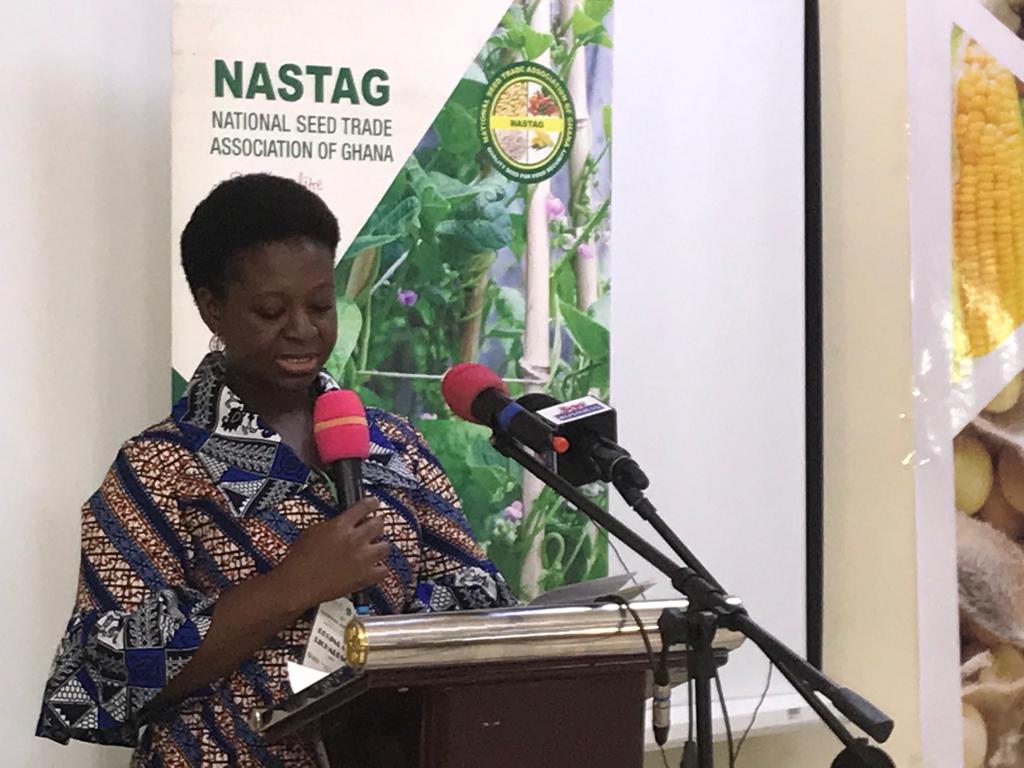
Agricultural sector stakeholders from across the country have begun a four-day meeting in Accra to develop a revised Seed Sector Strategy and Investment Plan to help boost the country’s food security.
Officials from the Agriculture Ministry, the National Seed Trade Association of Ghana (NASTAG), The African Seed Access Index (TASAI), and other seed sector stakeholders are meeting from November 7, for the 3rd National Seed Forum.
The Seed Sector Strategy and Investment Plan is expected to strengthen Ghana’s seed industry by promoting the adoption and utilisation of certified seed by the country’s farmers.

Given the current economic crisis in Ghana, which is affecting the lack of fertilizer and seed inputs for farmers, strengthening the seed sector and increasing the use of improved seeds is expected to boost crop yields, and transform the food system that feeds the country, a statement from The Alliance for the Green Revolution in Africa (AGRA), which is spearheading the initiative said.
The four-day workshop follows a successful deployment of the Seed Systems Analysis Tool (SeedSAT), to analyze the functioning of eight key thematic areas of the national seed system and make prioritized recommendations for interventions to support a robust seed sector.
Under the theme, “Facilitating the Seed Industry through Knowledge, Collaboration and Strategic Planning”, the delegates at the National Seed Forum will revise the National Seed Plan (2015) and incorporate the recommendations from the SeedSAT exercise.
The workshop will also allow industry players to network and receive updates on pertinent seed sector issues and strengthened business linkages.
The statement by Rebecca Weaver of AGRA said AGRA is working on this effort with the support of the U.S. Government through the U.S. Agency for International Development (USAID), and the Bill & Melinda Gates Foundation (BMGF), under the Partnership for Inclusive Agricultural Transformation in Africa (PIATA) umbrella.
It said Ghana’s seed sector has made tremendous growth in the past few years, with the development and availability of improved and locally adapted seed varieties.
However, the adoption is still marginal, with just about 30% of the farmers using the improved varieties.
The slow pace of adoption is linked to inadequate compliance with seed legislation by various key seed value chain operators, and the disregard of the rules and procedures of the Seed Certification and Standard Regulations.
Latest Stories
-
WAFCON 2026: Tanzania stun South Africa as Côte d’Ivoire make winning return
16 minutes -
Government plans more public universities, allocates GH¢100m for UMaT Kenyase campus
2 hours -
Transport operators, gov’t meet today over proposed 30% fare increase
2 hours -
Doctors successfully remove motorbike key from farmer’s skull after Jasikan attack
2 hours -
Education Minister pledges to end double-track system within 24 months
2 hours -
Ablekuma West NPP Constituency executive elections postponed indefinitely over register dispute
2 hours -
Otumfuo destools Kenyase II Manhene after 89-year reign
2 hours -
Partisan politics, religion and tradition shouldn’t divide us – Interior Minister to Ghanaians
2 hours -
MoFA signs deal to establish organic fertiliser plant in Ghana
2 hours -
We are not seeking Mahama’s third term – Ken Kuranchie separates case from 2028 politics
2 hours -
Several reportedly dead after vehicle rams pedestrians at Bukom Junction
2 hours -
Constitution has a genuine ambiguity – Ken Kuranchie opens fresh debate on Mahama’s third term eligibility
2 hours -
Wontumi apologises to Mahama, seeks Presidential clemency
2 hours -
Gov’t plans new teacher university to transform education training
2 hours -
Upper East Regional Hospital celebrates renal patient recovery
2 hours