

Audio By Carbonatix
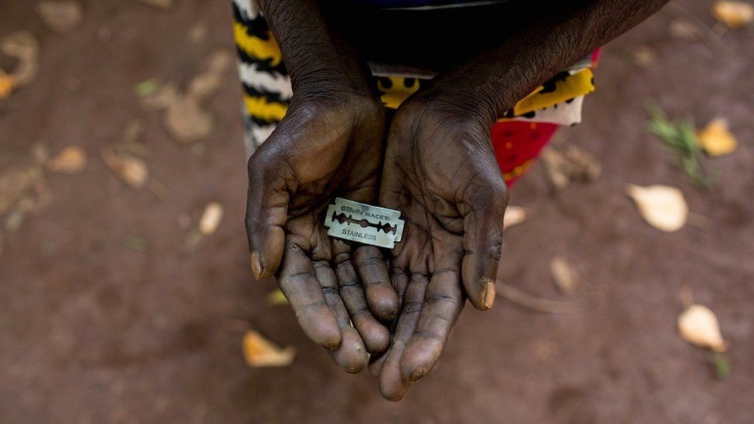
International Day of Zero Tolerance for Female Genital Mutilation is a reminder of the ongoing fight against a harmful practice that affects millions of girls and women globally.
The theme for this year’s celebration, “Partnering with Men and Boys to Transform Social and Gender Norms to End Female Genital Mutilation”, underscores the importance of involving all members of society in ending this practice.
FGM is a violation of the human rights of girls and women and has no health benefits. The practice can cause severe physical and psychological harm and can lead to long-term complications such as chronic pain, infections, and even death.
In Ghana, FGM is still practiced in some communities and is often considered a rite of passage for young girls. But the good news is that the government and civil society organizations have been working hard to raise awareness about the dangers of FGM and to end the practice.
As a young woman and global development advocate from Ghana, I am proud to be part of Curious Minds Ghana- a youth-led advocacy organization that is working to end Female Genital Mutilation (FGM) through awareness raising on radio and in communities across Ghana.
The “Partnering with Men and Boys to Transform Social and Gender Norms to End Female Genital Mutilation” theme is especially important in Ghana where men and boys play a crucial role in transforming harmful gender norms.
We must recognize that FGM is not just a women’s issue but a human rights issue that affects everyone. Men and boys also have a vital role to play in ending the practice. By engaging with them, we can challenge the belief systems that perpetuate FGM and promote gender equality. Men and boys can become ambassadors for change and encourage their families and communities to abandon the practice.
However, it is not enough to just raise awareness. We must also address the root causes of FGM. Poverty, lack of education, and deeply ingrained cultural and social norms all contribute to the continuation of this harmful practice. Addressing these root causes will require a multi-faceted approach that involves education, economic empowerment, and community engagement.
Education is key to ending FGM. By educating girls and women about their rights and the dangers of FGM, we can empower them to make informed decisions about their own bodies. At the same time, we must also educate boys and men about the importance of gender equality and the dangers of FGM. By challenging harmful gender norms, we can create a more equal society where all people are valued and respected.
Economic empowerment is also critical in ending FGM. In many communities, FGM is performed as a way to secure a bride price for a girl. By providing economic opportunities for women and girls, we can reduce their dependence on men and decrease the pressure to conform to harmful cultural practices. Economic empowerment can also help women and girls break the cycle of poverty and become agents of change in their communities.
Finally, community engagement is essential to ending FGM. By working with communities, we can understand their perspectives and help them understand the dangers of FGM. We can also involve community leaders, traditional authorities, and religious leaders in our efforts to end the practice. These leaders can play a crucial role in changing social and cultural norms and promoting gender equality.
In conclusion, the International Day of Zero Tolerance for Female Genital Mutilation is a reminder that we all have a role to play in ending this harmful practice. By partnering with men and boys, we can challenge harmful gender norms and create a more equal and just society. Education, economic empowerment, and community engagement are all critical components of our efforts to end FGM. Together, we can create a world where all girls and women are free from violence and can live with dignity and respect.
ABOUT THE AUTHOR:
Amidatu Kassim is a final year marketing student of the University of Ghana. She’s currently a Vice President for the Marketing and Entrepreneurship Students Association (MESA) and a member of the Children and Youth in Broadcasting – Curious Minds. She is passionate about championing causes for sustainable development particularly issues of young people.
Latest Stories
-
Global InfoAnalytics poll puts John Boadu, Justin Kodua and Titus Glover ahead in NPP executive race
1 hour -
Ghana to establish skills development university with $50m from German support package
2 hours -
Baffour Awuah under EOCO investigation over alleged financial loss and money laundering – Deputy AG
2 hours -
How healthy is Ghana’s health sector?
2 hours -
HACSA Tech4Girls graduates 80 young women with digital and technology skills
2 hours -
Arrest of Manhyia South MP should involve Parliament, not police station – Kpebu
2 hours -
Two Nigerians sentenced to 189 months in US prison over $2.4m cyber fraud
3 hours -
Cristiano Ronaldo leaves Portugal’s training camp after rift with Head Coach
3 hours -
Ghana Energy Awards opens nominations for landmark 10th anniversary edition
3 hours -
Aayalolo contra-flow: Are we treating the symptom instead of the disease?
3 hours -
GTEC orders Colleges of Education to begin 2026/2027 admissions despite fees approval delay
3 hours -
Legal reforms must solve real problems, improve justice – Bagbin
3 hours -
Ofori-Sarpong named Alumni President of the Year, honoured for PRESEC dormitory project
4 hours -
Germany commits $132m to Ghana for skills development and training university – Pelpuo
4 hours -
‘Influence should go beyond visibility’ – Taadi Banyinba GH launches The TB Impact
4 hours