

Audio By Carbonatix
The International Monetary Fund's (IMF) board has given its approval for a $3bn (£2.3bn) bailout for Pakistan.
The crisis-hit nation will get about $1.2bn upfront, with the rest due to be paid out over the next nine months.
The South Asian nation was on the brink of defaulting on its debts and had barely enough in foreign currencies to pay for a month of imports.
This week, the country also received funds from allies Saudi Arabia and the United Arab Emirates (UAE).
Pakistan's Prime Minister Shehbaz Sharif said the bailout was a major step forward in efforts to stabilise the economy.
"It bolsters Pakistan's economic position to overcome immediate to medium-term economic challenges, giving next government the fiscal space to chart the way forward," he said.
The IMF deal came after eight months of tough negotiations over how to deal with serious long-term issues with Pakistan's ailing economy.

The country had been on the brink of being unable to meet debt repayments to creditors.
Much of the country was hit by devastating floods last year, which added to other major problems faced by the country, including high inflation and economic mismanagement by successive governments.
Saudi Arabia deposited $2bn with Pakistan's central bank on Tuesday, Pakistan's Finance Minister Ishaq Dar said.
On Wednesday, Mr Dar said the central bank had also received $1bn from the UAE.
The energy-rich Middle Eastern nations had pledged the money in April,but held off handing it over until it was certain that the IMF bailout would be finalised.
The IMF deal, along with the money from Saudi Arabia and the UAE, will unlock more funds to help support Pakistan's ailing economy.
Pakistan's foreign exchange reserves are expected to rise to around $15bn by the end of this month, Mr Dar has said.
On Monday, the credit rating agency Fitch upgraded Pakistan's sovereign rating, with the deal bringing some relief to investors in the country's stocks and bonds.
The heavily-indebted country's bonds have soared since the end of June, when the IMF gave preliminary approval for the bailout.
Mr Sharif's coalition government, which is due to face a national election this year, still has to make major spending cuts to meet the conditions of the bailout.
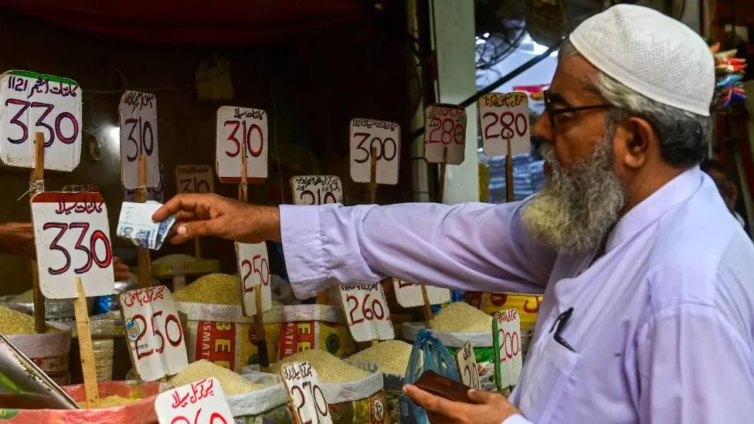
The cost of living has been soaring in Pakistan. The official annual rate of inflation currently stands at almost 30%.
Last month, the country's central bank raised its main interest rate to a record high of 22% as it struggled to curb rising prices.
This week's bailout is the latest in a long line of support Pakistan has received from the IMF. It has taken more than 20 loans from the international lender since 1958.
Latest Stories
-
Recycle Up! Ghana calls for more government support to expand green entrepreneurship
3 minutes -
Police arrest two suspects over alleged lynching at Daboya
11 minutes -
Mustapha Abdul-Hamid promises ideological revival as he files for NPP Vice Chairmanship
17 minutes -
Rosemary Selasi Dogbe-Asante
21 minutes -
Contractor working on Adenta-Dodowa road incorporates pavement blocks at 17 major intersections
23 minutes -
Ghana sees MTN’s GH¢20m donation as South Africa’s ‘back-channel diplomacy’ – International relations expert
30 minutes -
Future of Energy Conference: Africa must power production, not just consumption – Policy leaders
37 minutes -
Tarkwa residents petition government to renew Gold Fields mining leases
40 minutes -
Bagre Dam spillage likely to begin Friday, August 28
42 minutes -
NRSA to deploy Traffictech to apprehend traffic offenders, introduce mandatory towing to curb crashes
42 minutes -
Veteran actress Grace Nortey dies at 89
46 minutes -
Ghana rejected MTN’s GH¢20m donation to sustain diplomatic pressure on South Africa – Int’l Relations Analyst
54 minutes -
World Bank backs Ghana’s recovery, urges sustained reforms
57 minutes -
Heritage Christian University launches LLB programme with focus on practical legal education
60 minutes -
Full Text: OSP address on rebirth, anti-corruption record and investigation into Aksa deal
1 hour