

Audio By Carbonatix
Ghana should focus on rebuilding investor confidence and improving its credit rating before seeking to borrow again on the international capital markets, the International Monetary Fund (IMF) has cautioned.
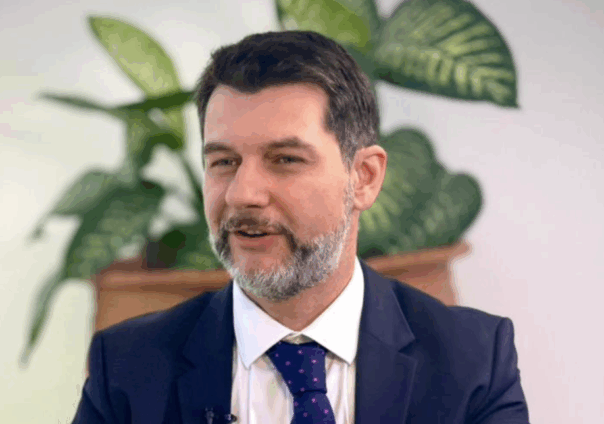
The IMF Resident Representative in Ghana, Dr Adrian Alter, said the country’s immediate priority should be to consolidate the gains from its debt restructuring and strengthen its domestic financing capacity rather than rush back to external commercial borrowing.
Ghana’s debt position has improved significantly under the IMF-supported programme, with the latest Debt Sustainability Analysis moving the country from a high risk of debt distress to moderate risk.
Dr Alter said central government debt had also declined to about 45% of GDP, a level the Fund had initially projected Ghana would only reach by 2034.
He said the progress had created an opportunity for Ghana to gradually regain access to capital markets, but stressed that improved creditworthiness would be critical to keeping borrowing costs manageable.
“I would say Ghana needs first to re-establish itself, and it needs to improve its rating,” Dr Alter said in an interview with Channel One TV on Monday, August 24, 2026.
He noted that the government’s medium-term objective of achieving investment-grade status could significantly reduce the cost of borrowing, both domestically and internationally.
He added that the reopening of Ghana’s domestic bond market in March was an important first step, with government subsequently issuing a seven-year local-currency bond.
Dr Alter also pointed to Ghana’s substantial financing requirements, including debt refinancing and expenditure on development projects, saying these would require a carefully managed debt issuance strategy.
He stressed that reducing interest costs was particularly important because debt servicing currently consumes about one-third of government expenditure.
According to him, lowering borrowing costs would give government greater room to finance salaries, social programmes and capital expenditure.
He said additional development spending could also be supported through stronger domestic revenue mobilisation, while the IMF’s broader objective remained to help Ghana eliminate economic imbalances and restore its ability to finance its needs from sustainable domestic and international sources.
Latest Stories
-
Afro-Arab Properties pledges support for Mahama’s affordable housing agenda
9 minutes -
Edmond Kombat named Energy Sector Reform Programme Champion of the Year 2026
22 minutes -
PAC summons Takoradi doctor over GH¢341,229 study leave salary
1 hour -
37 Military Hospital traders given 7-days to clear pedestrian walkway
1 hour -
Wontumi challenges EOCO’s handling of Exim Bank loan dispute
1 hour -
Government keeps appealing to striking teachers to resume work – Apaak
1 hour -
Chief Justice urges employers to tackle mental health stigma in workplaces
1 hour -
52,000 teachers’ promotion payments targeted for October 15
1 hour -
Nzema chiefs honour Lands Minister, demand sustainable revival of Adamus Resources
2 hours -
ExxonMobil return talks emerge as GIPA CEO holds back details
2 hours -
Council of State meets teacher unions over strike today
2 hours -
Ntim Fordjour appeals to Mahama to abandon regulation restricting preaching in buses
2 hours -
Volta youth farmers commend Agric Minister, appeal for markets for cassava growers
2 hours -
Mahama commissions expanded production line at Nestlé Ghana Ltd
2 hours -
Chief of Staff urges journalists to uphold accuracy, fairness
2 hours