

Audio By Carbonatix
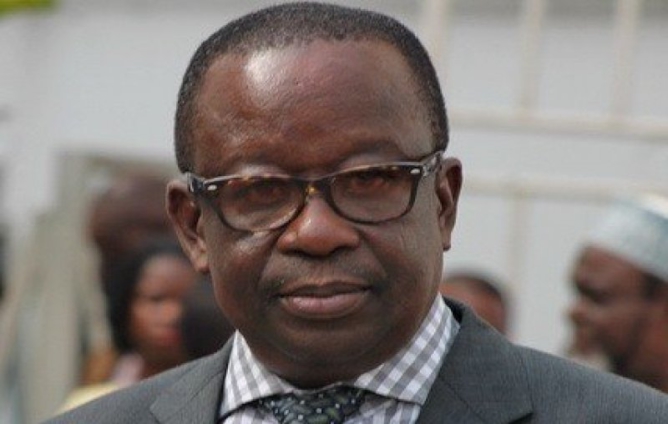
A Professor of Political Science at the University of Ghana has criticised the National Security Minister, Albert Kan Dapaah's comment to the effect that some Ghanaians in academia and civil society were fuelling a coup.
In an interview on Joy FM’s Top Story, Prof. Ransford Gyampo described it as 'quite misplaced’ and ‘jaundiced.’
The National Security Minister accused some individuals in academia, civil society and the media of actively exploiting their influence to promote a coup and destabilise the country.
He described the trend as worrying and a threat to the country's democracy.
According to the minister, the development is a matter of serious concern not only to security operatives but to all citizens as the country nears the polls in December 2024.
“In Ghana, a more disconcerting trend is also emerging. Notably following the coup in Niger, certain individuals in academia, civil society and the media, from what I have observed have been propagating false narratives in support of a coup or military rule.
“These actors have gained substantial followings on social media leveraging the influence to disseminate misinformation that threatens our nation's peace and also stability, especially as we approach the critical December 2024 general election,” he claimed.
According to the National Security Minister, “Misinformation, whether intentional or inadvertent, from these individuals because they are influential poses a significant threat to Ghana's stability.”
However, in response, Prof Gyampo said the statement depicts that his script was written by somebody who is completely out of touch with the reality on the ground.
“I have a lot of respect for Kan Dapaah because whether you like it or not, he is one of the key architects working behind the scenes to keep our peace. The fact that there is still peace in spite of hardship, is not all because we are peace-loving.
“It is also because people like him are working tirelessly behind the scenes to deal with potential troublemakers and to ensure that things are kept always quiet.
“But his analysis and what was written for him about potential fuelers of coup, in my view, is quite jaundiced,” he said.
According to Prof Gyampo, factors that lead to coups in countries have nothing to do with academia, civil society or media influences.
He listed the factors that can lead to a coup as bad governance, corruption, economic mismanagement, nepotistic mismanagement, hunger and poverty, sense of despondency in the system, opulence living style of many appointees while calling on the suffering minority to tighten their belt.
He said the variables aforementioned, pave the way for citizens to complain, “and if we are complaining and you describe our complaint as we using our influence to garner support for coup, then it means your analysis is quite misplaced.”
“The best antidote to coup is good governance,” he added.
Latest Stories
-
History made! Accra Academy book first-ever NSMQ final Spot after dominant semi-final display
8 minutes -
Woman’s decomposed body found in gutter near Haatso DVLA office
16 minutes -
Residents of Akaa, surrounding communities demand improved network coverage
17 minutes -
‘Chief Justice’s role is to administer justice, not protect any agenda’ – Haruna replies Franklin Cudjoe
19 minutes -
PRURide winners to receive GHS 15,000
23 minutes -
AMA announces Post-Homowo clean-up exercise for September 5
34 minutes -
Asantehemaa welcomes Otumfuo home after US engagements
48 minutes -
No automatic duty on travellers carrying more than two phones – GRA clarifies Customs rules
54 minutes -
School rivalry cannot justify arson – Peace Council condemns clashes between Okuapeman, Mount Sinai SHS
1 hour -
From recognition to redistribution: Women’s leadership and the future of Africa’s economy
1 hour -
Chief Justice’s visits to Executive institutions raise neutrality concerns – Prof Duah
1 hour -
Gbande rejects NPP’s call for Chief Justice to resign
1 hour -
AT Ghana’s PPL Net must clear audit arrears before spectrum allocation – Sam George
2 hours -
GSE to close 2026 with 81% return for investors
2 hours -
New oil agreements should spur economic development – Deloitte Senior Partner
2 hours