

Audio By Carbonatix
Nigeria has imposed a mandatory annual levy for organisations employing expatriate workers, requiring them to pay $15,000 (£12,000) for a director and $10,000 for other categories.
The move is meant to encourage foreign companies to employ more Nigerian workers.
Staff of diplomatic missions and government officials are exempt.
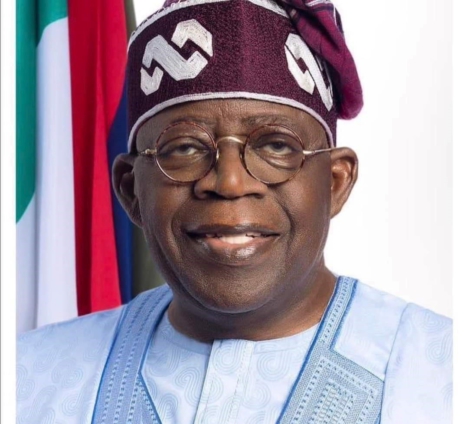
President Bola Tinubu has warned that the levy should not be used to frustrate potential investors.
He spoke while launching the Expatriate Employment Levy (EEL) handbook on Tuesday, adding that the government was expecting to improve revenue and indigenisation.
He said that its aim was to balance employment opportunities between Nigerians and expatriates.
"The goal is to close wage gaps between expatriates and the Nigerian labour force while increasing employment opportunities for qualified Nigerians in foreign companies in the country," he said.
There are more than 150,000 expatriates in Nigeria, according to local media citing data from the interior ministry.
They mostly work in the oil and gas, construction, telecommunication and hospitality sectors.
Nigeria is one of Africa's biggest oil producers. Its oil and gas exports account for 90% of foreign exchange earnings, according to the International Monetary Fund.
The move comes as Nigeria is experiencing its worst economic crisis in a generation, which has led to widespread hardship and anger in recent months.
Labour unions and government workers on Tuesday held demonstrations to protest against economic hardships.
Mr Tinubu acknowledged that Nigerians were going through a difficult period.
He said efforts were being made to improve the country's finances and grow the economy.
The levy applies to employees who work for at least 183 days in a year.
The scheme imposes fines of up to three years and jail terms of up to five years for a person or organisations that do not comply, including failure to provide accurate information.
The Nigerian Immigration Service will be responsible for enforcing the levy.
Local media quoted Interior Minister Olubunmi Tunji-Oj as saying that it would be operated on a public-private partnership model between the government, the immigration service and a private firm.
Nigerian economist Abubakar Abdullahi says the levy is good for the country and won't frustrate potential investors as "they'll love to see the country grow as well".
"I believe Nigeria stands to benefit from this levy as more companies will start looking inwards as there are qualified Nigerians from all sectors," he says.
Latest Stories
-
Afoko can give NPP ‘new identity’ ahead of 2028 to overcome NDC – Political scientist, Dr Amakye-Boateng
2 minutes -
2 injured amid gunshots during raid at Nawara Mining office at Nsuapemso
6 minutes -
St Augustine’s College retains 2026 National Investment Quiz title
10 minutes -
KNUST Nursing and Midwifery School staff recognised at 2026 Health Ministry Excellence Awards
19 minutes -
JoyNews’ Esther Esi Nkrumah selected for UK Media Excellence for Emerging Technology Fellowship
24 minutes -
Five NDC youth organisers in Western Region pay courtesy call on Armah-Kofi Buah
36 minutes -
NACOC demands tighter port controls to prevent Tema Harbour drug trafficking
39 minutes -
Ghana’s startup ecosystem must build sustainability into innovation – Ghana Hubs Network
50 minutes -
Friday’s beachfront demolition was carried out at Labadi Beach Hotel’s request, not for flood mitigation – Stan Dogbe
52 minutes -
LA 2028: Mukarama returns to Black Queens squad for Olympic Games qualifiers
53 minutes -
Fusaini Yakubu Abanga leads NPP National Youth Organiser race with 45% in Global InfoAnalytics poll
1 hour -
Suame Methodist JHS marks 120 years with a call for STEM innovation
1 hour -
Global fashion coalition launches in the heart of Kantamanto Market
1 hour -
‘No concrete commitments from government’ – Brong Ahafo teacher unions maintain strike
1 hour -
Finance Minister demands greater returns from NLA after GH¢10 million dividend presentation
2 hours