

Audio By Carbonatix
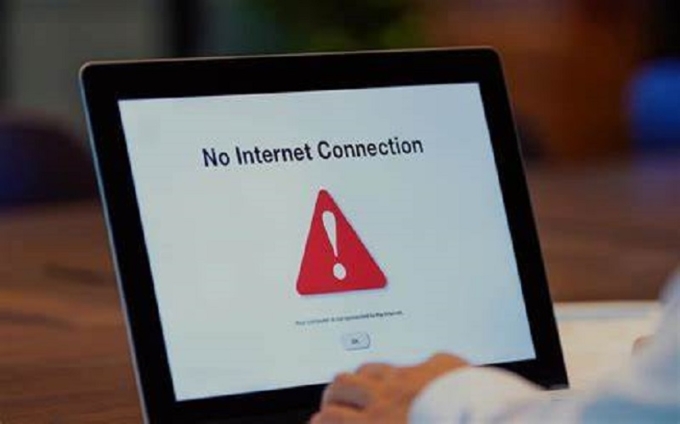
On March 14, 2024, Ghana was plunged into a sudden and unexpected internet blackout, disrupting the lives of millions and severely impacting businesses and social interactions across the nation. The blackout left businesses, media houses, and even everyday internet users in a state of disarray, highlighting the critical role that the internet plays in modern society and underscoring the vulnerabilities of relying heavily on digital connectivity.
One of the most significant impacts of the internet blackout was felt by businesses that heavily depend on internet access for their daily operations. Media houses, which rely on online platforms to disseminate news and engage with their audiences, were among the hardest hit.
The blackout disrupted their ability to publish articles, updates, and interact with their followers on social media platforms, thus affecting their ability to deliver timely information and maintain audience engagement.
This disruption not only posed challenges to media outlets in terms of credibility and audience reach but also potentially led to financial losses due to decreased advertising revenue and disrupted operations.
Similarly, ride-hailing apps, which have become integral to urban transportation in Ghana, were rendered useless during the blackout. These apps facilitate the movement of thousands of people daily, but with internet connectivity severed, both drivers and passengers were left stranded and unable to connect with each other.
This not only inconvenienced commuters but also had a significant economic impact on drivers who rely on these platforms for their livelihoods. The inability to access ride-hailing services resulted in lost income opportunities for drivers and disrupted transportation services for passengers.
Social media platforms, which serve as vital communication channels for individuals and businesses alike, also experienced a blackout during the internet outage. Users were unable to post updates, share content, or engage in online conversations, leading to a virtual silence on these platforms. While some apps intermittently opened, the overall impact was a significant reduction in online activity, disrupting social interactions and communication channels.
The internet blackout also had significant cost implications for businesses and individuals across Ghana. Businesses incurred financial losses due to disrupted operations, missed opportunities for sales and marketing, and decreased productivity.
Individuals faced additional expenses as they sought alternative means of communication and transportation, such as traditional phone calls and physical transportation methods. Moreover, the blackout highlighted the need for businesses to invest in backup systems and contingency plans to mitigate the impact of future internet disruptions.
In conclusion, the internet blackout on March 14 served as a stark reminder of the critical importance of a reliable and uninterrupted internet connection in today's digital age. It underscored the vulnerabilities of relying heavily on digital connectivity and highlighted the need for robust infrastructure and contingency plans to ensure the resilience of internet services.
As Ghana continues to embrace digital technologies and integrate them into everyday life, ensuring the stability and accessibility of the Internet will be crucial for driving economic growth, fostering innovation, and promoting social connectivity.
Latest Stories
-
Teen rocker Nene Royal becomes first Thai to win America’s Got Talent
3 minutes -
Skills Bridge Ghana Foundation trains 50 professionals in solar energy
7 minutes -
Photos: Mahama Ayariga inspects waste evacuation exercise at Agbogbloshie
8 minutes -
Photos: Mahama meets world leaders at 81st UN General Assembly
9 minutes -
From the Accra Reset to Reparatory Justice: Inside President Mahama’s diplomatic agenda in New York
10 minutes -
Photos: Ghana-China relations strengthened at China’s 77th anniversary celebration
12 minutes -
Majority says stronger enforcement drove rise in NACOC arrests
13 minutes -
He took fees above legal limit – Inusah Fuseini alleges in Baffour Awuah case
14 minutes -
Jan Alessie joins African Collaborations Group advisory board
14 minutes -
It has absolutely nothing to do with Salomey – Inusah Fuseini on Baffour Awuah’s EOCO case
23 minutes -
GES orders SHS heads to refund unauthorised fees collected from parents
27 minutes -
African Collaborations Group appoints Paulo J. Cruz as founding CEO
28 minutes -
Ethiopia and Tigray accuse each of launching offensives, fuelling fears of new war
29 minutes -
Teshie residents turn to wastewater as desalination plant shutdown deepens water crisis
32 minutes -
EPL: Semenyo earns Player of the Month nomination for September
33 minutes