

Audio By Carbonatix
The United Nations International Children’s Emergency Fund (UNICEF) says pneumonia is the biggest infectious killer of children worldwide, killing more children than any other infectious disease.
The organisation reported that every year, pneumonia claims the lives of more than 725,000 children under the age of five, including around 190,000 newborns, who are particularly vulnerable to infection.
“Every 43 seconds, at least one child dies from pneumonia. All these deaths are preventable. It is inexcusable that thousands of children are unable to access the essential health services and treatments that can prevent pneumonia and save their lives,” UNICEF said.
In a recent publication, UNICEF stated that urgent action is needed now to end preventable deaths caused by pneumonia, change the course of the disease, and keep every child alive.
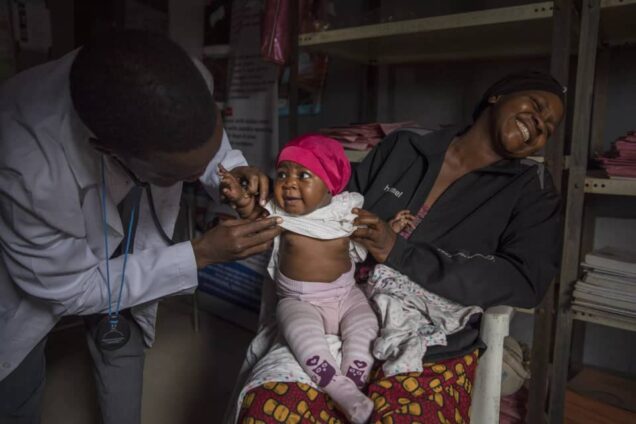
The organisation called for the strengthening and prioritization of routine immunisation and scaling up the coverage of Pneumococcal (PCV), Measles, and Diphtheria-Tetanus-Pertussis (DTP) vaccines to above 90 percent to ensure every child is protected from pneumonia.
UNICEF also emphasized the need for improved basic oxygen access and use, so no child is left fighting for breath. The organization stressed the importance of investing in the prevention and treatment of severe acute malnutrition to reduce child deaths from pneumonia.
Furthermore, UNICEF called for investment in health workers and infrastructure to put essential health services within easy reach of families, adding that “health workers must have the right training, medicines, and diagnostic tools.” The organisation also highlighted the need for continued action to engage and empower communities to support prevention and treatment.
Pneumonia is an acute respiratory infection of the lungs and does not have a single cause. It can develop from bacteria, viruses, or fungi in the air.
Symptoms of the disease include coughing, trouble breathing, and fever. Children with pneumonia often experience rapid breathing, or their lower chest may draw in or retract when they inhale (in a healthy person, the chest expands during inhalation).
The disease is contagious and can be spread through airborne particles (such as a cough or sneeze) and can also be transmitted through other fluids, such as blood during childbirth, or from contaminated surfaces.
Health workers can diagnose pneumonia through a physical exam, including checking for abnormal breathing patterns and listening to the child’s lungs. Sometimes, they may use chest x-rays or blood tests for diagnosis. In countries with weak health care systems—where there are few doctors, and limited access to chest x-rays and laboratories—health workers often rely on counting the number of breaths the child takes per minute to diagnose pneumonia.
The treatment for pneumonia depends on the type of pneumonia. In developing countries, the largest number of pneumonia cases are caused by bacteria, which can be treated with low-cost antibiotics.
Oxygen is an essential and life-saving treatment for children and newborns suffering from severe pneumonia, as the inflammation in their lungs prevents enough oxygen from entering their bloodstream to circulate throughout the body.
Access to oxygen has long been unavailable to those who need it. In many countries with weak health systems, oxygen is only available at higher-level health facilities and hospitals. The pressure of COVID-19 on oxygen systems has compounded pre-existing gaps.
Preventing pneumonia is possible through increased protective measures, such as ensuring newborns and young children are breastfed early, vaccinated, have access to clean water, good nutrition, and limited exposure to air pollution.
Studies have shown that good hygiene practices, including improved handwashing with soap, reduce the risk of pneumonia by lowering exposure to bacteria.
Pneumonia caused by bacteria is easily preventable with vaccines. However, 40 percent of children around the world are not fully protected with the primary vaccine to prevent pneumonia—the Pneumococcal (PCV) vaccine.
In addition, other vaccines, such as Diphtheria-Tetanus-Pertussis, Measles-containing vaccines, and Haemophilus Influenzae type B (Hib) vaccine, also protect children from pneumonia.
The countries with the largest number of child pneumonia deaths are concentrated in sub-Saharan Africa and Asia. Child deaths from pneumonia are most common in the world’s poorest countries. Within these countries, it is the most deprived and marginalized children who suffer the most.
Latest Stories
-
IMMILAC president recounts personal losses as security women lead breast cancer awareness campaign in Wa
2 minutes -
University of Ghana postpones October 12 reopening as GAUA strike persists
16 minutes -
Bahass Foundation launches vocational skills training to support mental health recovery in Wa
48 minutes -
NPP orders parliamentary aspirants and their supporters to suspend campaign activities
1 hour -
Techiman unites against child marriage: Joy Impact Makers Awardee leads charge on International Day of the Girl Child
2 hours -
Ghana Psychological Association calls for greater involvement of people with lived experience in mental health care
3 hours -
Ablakwa says Ghana could evacuate more citizens from South Africa if the situation worsens
3 hours -
Violence against girls must be tackled through individual responsibility – Gender advocate
3 hours -
Ghana’s BRICS bid must be guided by national interest – International Affairs Analyst
3 hours -
Journalists look back on a decade of breast cancer reporting in Ghana
4 hours -
President Mahama ends Resetting Ghana tour of Ahafo Region
6 hours -
African negotiators seek delivery of climate commitments at COP31
6 hours -
BoG develops AI rules for financial sector
6 hours -
‘Big Push’: Government assures contractors of prompt payments
6 hours -
Court fines miner for breaking into gold buying shop
6 hours