

Audio By Carbonatix
Research by the Environmental Protection Agency (EPA) has revealed that the quality of Lake Bosomtwe is being degraded due to human activities.
Illegal mining, laundering, poor fishing, and unsustainable farming practices are eroding the water quality that sustains over 22 communities around the lake and are contributing to adverse climate change effects.
The situation has led the EPA, in collaboration with UNESCO, to develop a five-year plan to protect the lake. Lake Bosomtwe, a recognised biosphere reserve, supports an ecosystem that provides sustenance to over 65,000 people in the Ashanti Region.

This crater lake serves not only as a tourist attraction but also as a vital source of food and livelihood, supporting activities such as farming, fishing, and, unfortunately, mining.
The EPA has identified these activities as harmful, undermining the lake’s water quality and biodiversity, and contributing to climate change impacts.
Ashanti Regional Director of the EPA, Jackson Adiyiah Nyantakyi, highlighted that prolonged pollution in the biosphere reserve could diminish its ecological value, eventually rendering it unable to sustain life.

“The EPA’s assessment and research show that the lake’s quality is being degraded due to human activities, and this is not sustainable,” Nyantakyi said. “Illegal laundering, poor fishing practices, harmful farming methods, and illegal mining are to blame. We cannot wait until the lake degrades further before taking action. This intervention will cover three zones, including awareness creation and livelihood empowerment training.”
The EPA’s five-year “Lake Bosomtwe Management Plan” aims to protect and sustain the lake’s ecosystem and secure local livelihoods. The plan outlines three designated zones: a restricted area with no public access, a buffer zone with limited activities, and a transition zone where regulated activities are allowed.
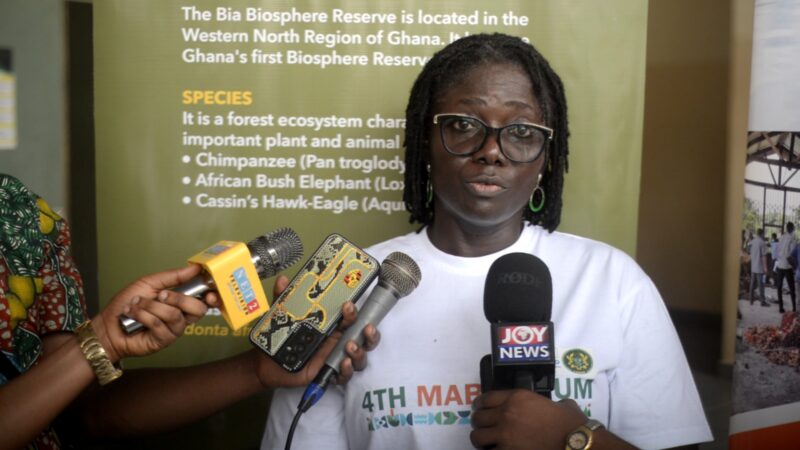
Acting Director for Natural Resources at the EPA, Sheila Ashong, noted that the intervention will incorporate awareness campaigns and skills training to encourage sustainable farming practices and alternative livelihoods for community members.
“Committees will be created in the communities to work with stakeholders, as natural resource management extends beyond one institution’s capacity. Part of the intervention will involve community-driven action and livelihood empowerment programmes to provide alternative income sources, especially for fishermen. Awareness efforts will also encourage farmers to adopt sustainable practices,” Ashong explained.
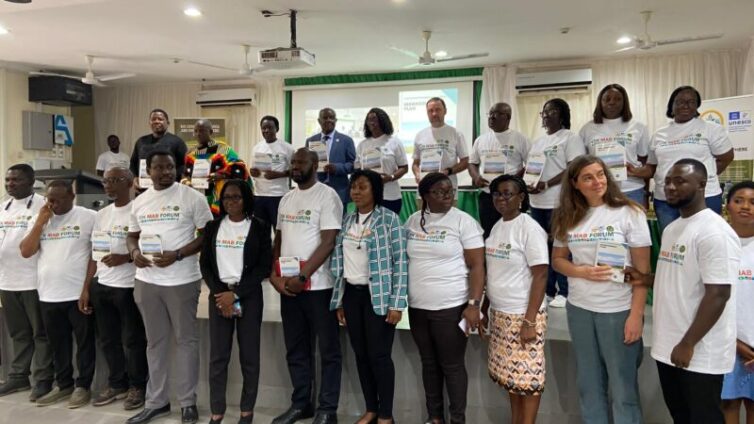
Ghana recently held its 4th National Forum on Biosphere Reserves and Sustainable Development, themed "Synergising our Resources through Partnerships to Enhance Biosphere Reserves' Contribution to the Global Biodiversity Framework," to mark the International Day for Biosphere Reserves. The EPA aims to ensure continuous awareness of the biosphere reserve concept and foster stakeholder collaboration.
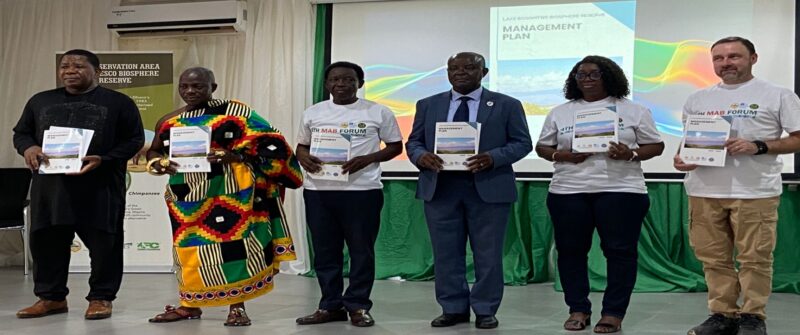
The forum, also known as the MAB National Forum, offered a platform for stakeholder networking and alliance-building, especially concerning research and funding opportunities. EPA Board Chair, Prof. Kwasi Appeaning Addo, emphasised the importance of stakeholders, particularly young people, in managing biosphere reserves and their role in achieving the Sustainable Development Goals (SDGs).
“Ghana is proud to have three designated biosphere reserves, each playing a vital role in protecting biodiversity, promoting sustainable livelihoods, and providing opportunities for research, education, and capacity-building. Our challenge is to ensure these biospheres maintain their core values and expand both in impact and in number. Achieving sustainable management of our biosphere reserves requires collaboration at all levels—across ministries, agencies, private organisations, and academic institutions,” Prof. Appeaning Addo stated.
Latest Stories
-
Power restoration fault suspected in Kumasi Central Market fire
30 minutes -
The 7-foot giant of Ngleshie Amanfro: Seven-foot Ghanaian Ephraim Saawa dreams of joining the national basketball team
1 hour -
Government promises support for Kumasi Central Market fire victims
1 hour -
Vibes The Movie: Big Ghun’s Ghanaian film earns five nominations at 2026 REFFA
2 hours -
MamaCare CEO warns unresolved conflicts among health workers could undermine maternal and neonatal care
2 hours -
Health professionals urged to translate medical knowledge into practice to save mothers
2 hours -
Conflicts among care providers linked to maternal, neonatal deaths – Expert
4 hours -
GIS marks 10th TIME conference, champions improved teaching practices
4 hours -
BRICS Or Balance? What Ghana’s bid really means
4 hours -
GPRTU wants full TRAFFITECH-GH implementation to start in 2027
5 hours -
Mahama announces plans to import electric wheelchairs for PWDs
5 hours -
KGL U17 Colts 2026: Western beat Prempeh Elite Academy to set up final final with Greater Accra Region
5 hours -
Late Solanke strike salvages 10-man Spurs draw at Man United
5 hours -
Gender Ministry to monitor welfare of Nana Akua Addo’s children amid domestic violence case
5 hours -
Benedict Okyere Yeboah: Ghana’s football problem goes beyond sacking a coach
6 hours