

Audio By Carbonatix
The idea of a sky train system for Accra has resurfaced—not because of new developments but due to an investigation into how funds were spent on feasibility studies for a project that never materialised. The National Investigations Bureau (NIB) has invited key appointees from the Akufo-Addo administration who were tasked with delivering Accra’s sky trains. The controversy stems from money reportedly spent on preparatory works, despite no visible progress.
While the investigations unfold, one thing remains clear: Accra’s transport crisis is worse than ever, and the city still desperately needs a high-capacity, modern rail system to ease congestion. If Ghana cannot afford to fund or borrow to build it, we must find a viable alternative—such as a model where a private entity builds, operates, and maintains the system while recovering its investment.
What Are Sky Trains?
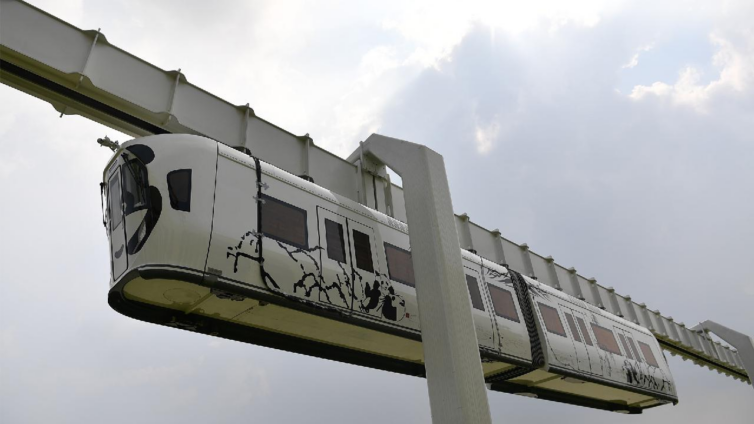
Sky trains, also known as elevated rail systems, are light rail transit systems built on raised tracks above roads or other urban infrastructure. Unlike traditional ground-level railways, they save space and avoid traffic congestion, making them ideal for overcrowded cities.
Countries that have successfully implemented sky train systems include:
• Singapore – The Mass Rapid Transit (MRT) system, which has kept the city-state moving efficiently for decades.
• Thailand – Bangkok’s BTS Skytrain, a key solution to the city’s once-unbearable traffic jams.
• Canada – Vancouver’s SkyTrain, one of the longest automated light metro systems in the world.
• Indonesia – Jakarta’s MRT and LRT systems, easing congestion in Southeast Asia’s most populous city.
These cities, once plagued by gridlock, now enjoy faster commutes, reduced pollution, and improved urban mobility.
Why Accra Needs Sky Trains Now More Than Ever
Accra’s road congestion is among the worst in Africa. On average, commuters lose over 100 hours per year sitting in traffic. Parents are forced to wake their children before dawn to beat the rush, only to endure long, frustrating journeys home. The economic cost of this congestion is estimated to be over $100 million annually, draining productivity and increasing fuel consumption.
A sky train system would:
• Reduce traffic congestion – One train can replace hundreds of cars on the road.
• Improve air quality – Trains produce 70-90% fewer emissions per passenger compared to cars.
• Enhance productivity – Shorter commutes mean workers arrive at jobs less stressed and more focused.
• Increase road safety – Fewer vehicles on the road mean fewer accidents, reducing Ghana’s 14,000+ annual crashes.
Can Ghana Afford It?
The biggest question remains funding. Ghana’s economy is struggling, making it difficult to finance such an ambitious project. However, if the government cannot afford it and borrowing is not an option, the solution is clear—find an investor willing to take on the project, build, operate, and maintain it while recovering their costs through fare collection. Many successful rail systems worldwide operate under this model. Instead of letting the idea die, Ghana should actively seek partners who can deliver such a system without burdening the national budget.
While the NIB investigates the past mismanagement of Accra’s sky train plans, we should not lose sight of the fact that a mass transit rail system is still one of the most effective ways to solve the city’s transportation crisis. If Ghana cannot fund it, we must attract a private investor to build and operate it—because the alternative is more traffic, more pollution, and a continued decline in the quality of urban life.
Latest Stories
-
Messi agrees to buy second Spanish club
57 minutes -
Ruthless Raphinha inspires Barcelona to Feyenoord win
1 hour -
Nii Moi Thompson says government must put SMEs at heart of 24-Hour Economy
1 hour -
24-Hour Economy was not born with Mahama’s second term, says Nii Moi Thompson
2 hours -
Apple’s new boss starts with big gamble on costly first folding iPhone
2 hours -
24-Hour Economy was born from Ghana’s 48-year development plan – Nii Moi Thompson
2 hours -
Motorcycle number plates: The growing practice of concealment
3 hours -
Two accused of land guard activities weep in court
3 hours -
Gauff saves match points to set up Rybakina semi-final
3 hours -
Police record seven major breakthroughs in crime fight
3 hours -
Okraku credits Black Princesses technical team for Korea Win
3 hours -
Police arrest suspects over Buipe, highway robberies and weapons trading
3 hours -
U20 Women’s World Cup: Bjorkgren hails Black Princesses’ win over Korea
3 hours -
Man found dead in suspected suicide at Assin-Amoabeng
3 hours -
ODRO’S Foundation supports persons living with disabilities in Cape Coast
3 hours