

Audio By Carbonatix
Journalists across Ghana have been challenged to take a front-line role in spotlighting urban health challenges as cities and towns continue to experience rapid growth, with implications for public health systems, particularly in underserved communities.
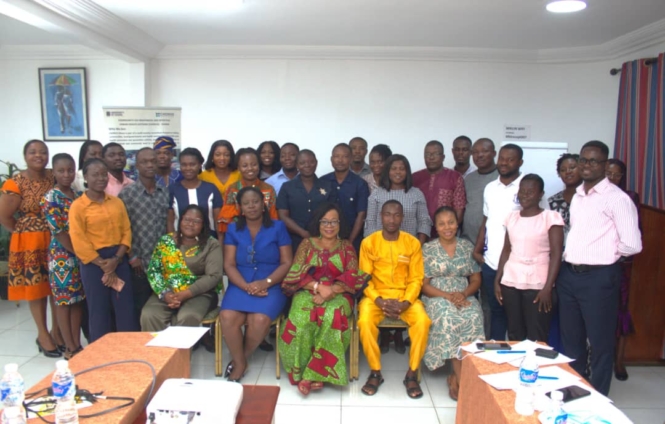
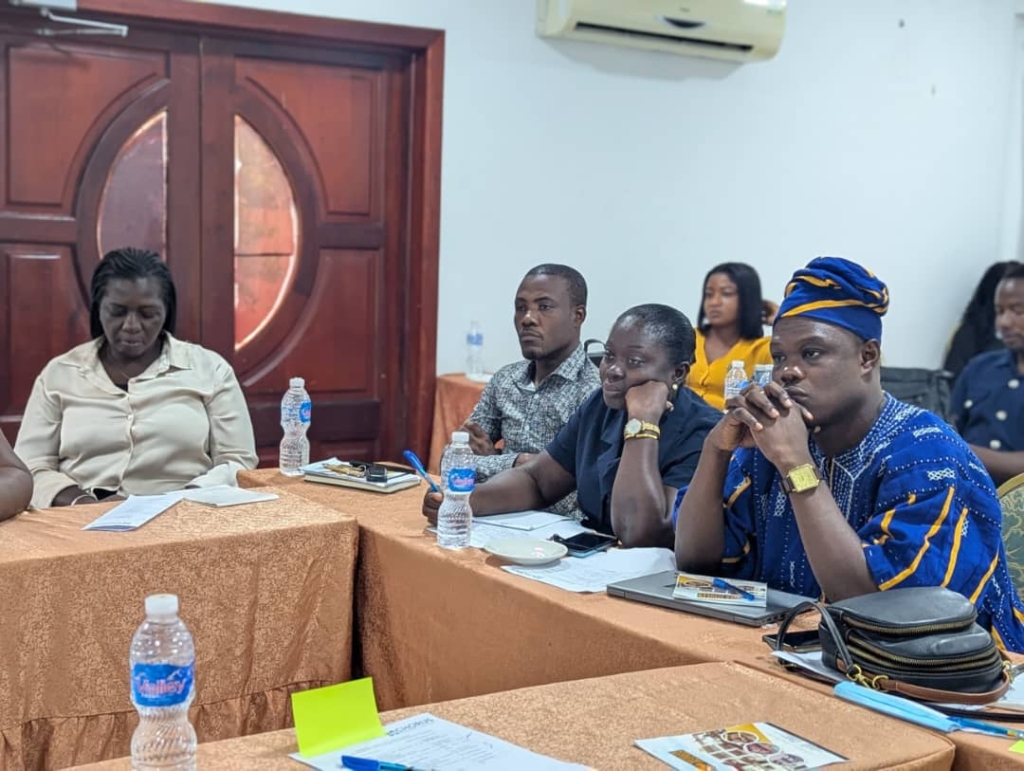
At a strategic media training workshop held in Accra under the theme “Understanding Urban Health and Strengthening Media-Researcher Collaboration,” speakers called for sustained, research-based coverage of urban health issues that affect growing populations in slums and peri-urban areas.
Delali Kumapley, who leads the Capacity Strengthening Support Office of the Community-led Responsive and Effective Urban Health Systems (CHORUS) project, emphasized the critical link between journalism, public awareness, and long-term health policy outcomes.
“We’ve made significant progress with our research, and it’s time to work closely with journalists to translate these findings into stories that inform, educate, and empower the public. Urban health is no longer an isolated issue—it’s now central to sustainable development,” Kumapley said.
The CHORUS project, anchored at the School of Public Health, University of Ghana, began in 2020 and spans several countries including Ghana, Nigeria, Nepal, and others in Asia, with strong academic partnerships in the United Kingdom.
While the UK institutions are not involved in field data collection, they play vital roles in research coordination, funding, and academic support. Kumapley noted that the collaboration underscores the global urgency of strengthening urban health systems in lower- and middle-income countries.
She observed that an earlier workshop managed to raise media interest, but efforts must now be geared toward ensuring sustainability and consistency in urban health reporting, particularly on issues emerging from informal settlements.
“Urbanization is accelerating—by 2030, many towns will be fully urbanized, and if we don’t tell these stories now, we’ll miss critical opportunities to influence better health planning,” she added.
The workshop expanded its scope beyond urban health to include science reporting and the communication of academic research in accessible ways. Kumapley said this approach is designed to equip journalists to mine rich stories not just from press conferences, but also from research outputs and policy papers.
“We’re laying the foundation for a new culture of science-informed journalism. The aim is that, long after CHORUS, stories on public health, slum conditions, access to care, and urban resilience will keep flowing from our newsrooms,” she emphasized.
Speaking on behalf of Women, Media and Change (WEMEC), Dr Charity Binka called on journalists to take ownership of health and science communication as a civic duty.
“We cannot continue to treat health and science reporting as niche areas. They must become core parts of national dialogue. The media has the power to shape how urban populations think, act, and demand better services,” she stated.
Dr Binka encouraged reporters to form ongoing partnerships with researchers and health experts to ensure accurate, balanced, and in-depth coverage of public health issues.
Professor Abena Yeboah-Banin, a senior academic from the University of Ghana’s Department of Communication Studies, took participants through practical modules including “Communicating Research Beyond Academia” and “Gathering, Analyzing, and Using Data in News Reporting.”
She emphasized that journalists must move beyond anecdotal storytelling and embrace the power of data and community evidence to drive meaningful change.
Participants—comprising both emerging and seasoned journalists—committed to visiting urban communities, particularly slums and neglected settlements, to uncover stories on sanitation, maternal and child health, housing, waste management, and access to care.
“This isn’t just a training—it’s a movement to amplify the voices of the underserved through journalism,” Kumapley concluded.
Latest Stories
-
Accra-Kumasi Expressway will be Ghana’s biggest infrastructure project – Kwakye Ofosu
11 minutes -
Cape Coast pulses with colour, sound ahead of Fetu Afahye
12 minutes -
Nigerians die after inhaling toxic fumes during alleged pipeline theft, community group says
13 minutes -
CSSPS placement results to be released tonight at 10:00 pm
13 minutes -
Accra-Kumasi Expressway to be fully funded locally – Government
14 minutes -
US diesel prices hit an all-time-high
17 minutes -
Horticulture Expo: Gov’t targets stronger agric value chain to boost horticulture exports
20 minutes -
Reckless driving incidents fall by 38% across Africa – Yango report
21 minutes -
It is ‘FAKE’ – Patricia Appiagyei reacts to memo alleging rejection of GH¢70,000 money
23 minutes -
ICE agent charged with lying about shooting Venezuelan man during crackdown
24 minutes -
Police arrest landlord’s wife for allegedly biting tenant’s ear during a fight
28 minutes -
US diesel prices hit a record high, pushing up transportation costs for a long list of goods
29 minutes -
300 entrepreneurs in Bono East battle for MTN-Innohub SME Support as programme enters 4th year
44 minutes -
Lawyer sues AG, GRA boss over passenger baggage exemption rules
45 minutes -
Ashanti Region crowned 2026 MTN Elite U-19 Champions after epic seven-goal final
1 hour