

Audio By Carbonatix
Have you ever imagined living with a condition that quietly damages your kidneys, heart, brain, and eyes—without warning signs? A condition that affects millions globally, yet often goes undetected until the damage is already done?
That condition is high blood pressure, also known as hypertension—and it’s not called the silent killer for nothing.
In today’s fast-paced world, we often overlook our body’s warning signs. Headaches, fatigue and dizziness can be dismissed as minor issues, but they might be symptoms of a more serious underlying problem. The silent killer is a major global health threat that’s often misunderstood and underestimated
High blood pressure is a condition that occurs when the force of pushing against the walls of the arteries is constantly high.
The high pressure causes the heart to work more than it should, damaging blood vessels over time and increasing the risk of heart disease, stroke, kidney failure and vision loss.
Why is it called 'The Silent Killer'?
Hypertension is dubbed the silent killer because it often progresses without any noticeable symptoms. Many individuals with severely high blood pressure feel perfectly normal, which can lead to neglect of regular health checkups. Meanwhile, the condition quietly damages vital organs.
By the time symptoms like chest pain, vision issues, breathing difficulties, or fatigue emerge, the damage is often irreversible. This stealthy nature of hypertension makes it particularly lethal, as it can cause irreparable harm before being detected.
Disturbing statistics
High blood pressure isn’t just a health issue; it’s a public health emergency.
According to the World Health Organisation, hypertension affects more than 30% of the adult population worldwide; that is more than one billion people around the world.
An estimated 46% of adults with hypertension are unaware that they have the condition, and approximately 1 in 5 adults with this condition have it under control.
Hypertension is a major cause of premature death worldwide.
In a study conducted by the World Heart Federation, Ghana Society of Cardiology, and the Stroke Association Support Network – Ghana.

In 2022, it was discovered that 34% of the population between the ages of 30 and 70 years has high blood pressure.
The Director-General of the Ghana Health Service, Dr Patrick Kuma-Aboagye, also said that data indicated that more than 600,000 people, including 400,000 females and 200,000 males, are diagnosed with high blood pressure every year, with many more affected people remaining undiagnosed.
In a nutshell!!!
Hypertension in Ghana affects around 27-30% of adults, about 1 in 3 men and 1 in 4 women, with higher prevalence in urban areas and older age groups.
Causes of high blood pressure include:
Hypertension could be primary or secondary
Primary hypertension has no single cause, but it’s mostly linked to diet, lifestyle and genetics.
Secondary hypertension is caused by other conditions such as medication use, kidney disease
Risk factors include:
- Old age (risk increases with age)
- Genetics (family history of hypertension)
- Being overweight or obese
- Not being physically active
- High salt diet, fat and cholesterol
- Drinking too much alcohol.
While there are no symptoms of high blood pressure, some signs may be an indicator for dangerously high blood pressure:
- Persistent headaches
- Blurred vision
- Palpitations or chest pain
- Fatigue or confusion
However, these signs usually appear late in the disease process; for this reason, routine blood pressure checks are very important even if you feel healthy.
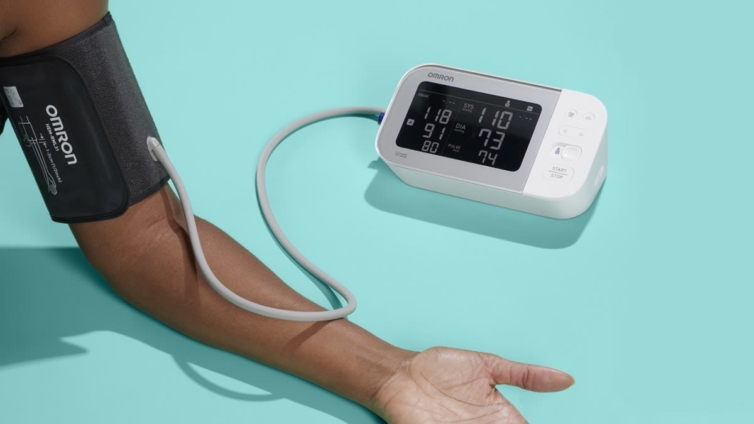
Checking blood pressure is a quick, painless and lifesaving process. It can be done at clinics, pharmacies or at home with an electronic monitor.
Management and prevention
The most powerful weapon against hypertension is awareness, lifestyle changes and medical treatment.
- Healthy diet;
Reduce salt intake
Avoid processed food and fast food
Increase intake of fruits, vegetables and whole grains
Choose low-fat dairy and lean proteins
- Physical activity:
Exercise regularly
- Take prescribed medications.
Never assume that hypertension affects only the elderly. Young people are being diagnosed at alarming rates due to unhealthy diets, lack of exercise and high stress. Regular check-ups can be lifesaving.
KNOW YOUR NUMBERS!!!
Hypertension hides in silence, but it doesn’t have to win. Through routine screening, healthy lifestyle choices and timely treatment, it can be detected early and managed well.
The author, Joyce A. Hiamatu, is a laboratory scientist.
Latest Stories
-
Richmond Gyamfi to join Egersunds IK on loan from AGF
3 minutes -
ADB champions safer banking as GAB fraud awareness campaign climaxed
7 minutes -
Agyarko campaign denies rift with Bawumia, defends his record of service to NPP
10 minutes -
Ayariga inspects Kejetia Market Phase II, pledges push to complete project
14 minutes -
Chief Doli-Wura Zakaria wins GSA President’s Award for contribution to statistics and data science
17 minutes -
Government keeps GH¢2 diesel price cut for September
18 minutes -
2026 U20 WWC: 5 key Black Princesses players who will miss tournament
20 minutes -
CPS review of 9 years of Free SHS comes off tomorrow
21 minutes -
Djokovic in tears during US Open first-round exit
24 minutes -
Yusuf Sulemana celebrates Gonja unity at Damba festival
25 minutes -
A Minister under watch: Zanetor’s burden of expectations
38 minutes -
Don’t make funding your starting point for green businesses – Entrepreneurs urged
44 minutes -
Skills gap in electric vehicles presents jobs opportunity for Ghanaian youth
51 minutes -
Mahama heads to Serbia for 65th anniversary of Non-Aligned Movement
56 minutes -
National Children’s Day 2026: Child Online Africa calls for child-led digital protection in Ghana
1 hour