


Audio By Carbonatix
The Chartered Institute of Bankers, Ghana (CIB Ghana) has convened a high-level policy seminar under the theme “Monetary Policy in Action: How MPC Decisions Shape Ghana’s Economy and Financial Sector,” to examine the practical implications of monetary policy decisions on lending, inflation, and financial sector development.
In his welcome address, Mr. Benjamin Amenumey, President of CIB Ghana, reaffirmed the Institute’s commitment to advancing professional discourse on national economic policy. “Our mandate requires that we promote ethical and professional conduct while advancing the development of the banking profession. Fostering dialogue on monetary policy is a national duty,” he stated.
Mr. Robert Dzato, Chief Executive Officer of CIB Ghana, shared key findings from a recent study conducted by the Institute. The research, which surveyed senior banking executives and other officials, revealed widespread stakeholder alignment with the Bank of Ghana’s (BoG) recent policy stance. “Over 85 percent of respondents had anticipated the latest rate cut. Stakeholders are looking for greater alignment between monetary policy actions and economic growth. We also heard concerns about liquidity constraints, credit risk, and volatility in funding costs,” he added.
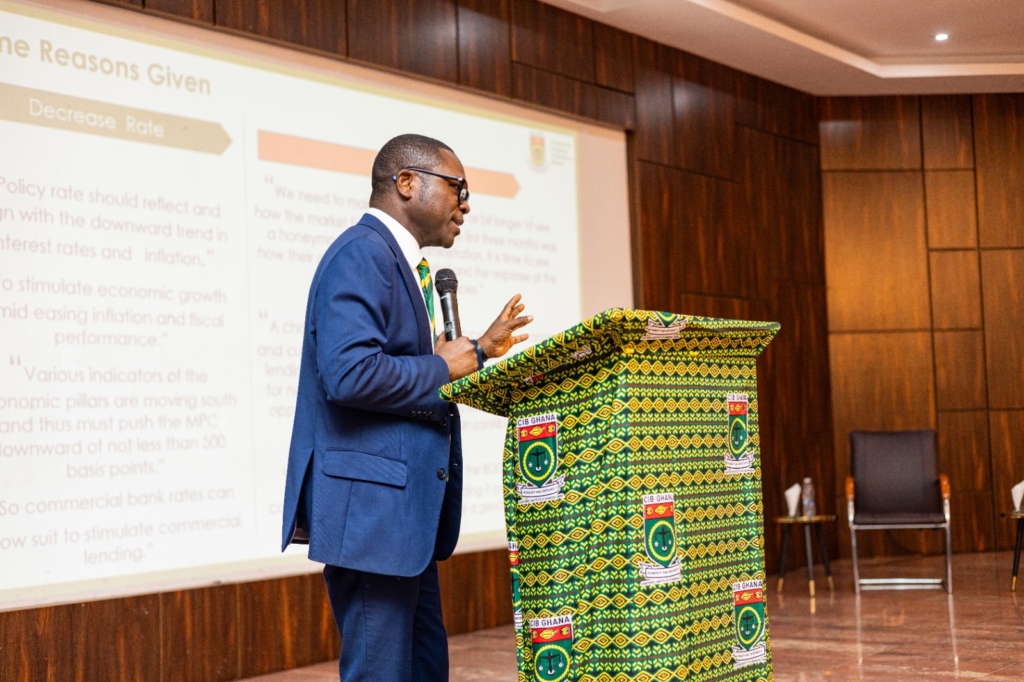
The event’s keynote address was delivered by Dr. Johnson Asiama, Governor of the BoG, who described the current disinflation process as “real, sustained, and progressive,” supported by coordinated, data-driven measures between the central bank and the Ministry of Finance. Inflation fell from 25.8 percent in March to 13.7 percent in June 2025, while the Ghana Reference Rate (GRR) declined from 32.5 percent in January to 27.7 percent in July. Dr. Asiama cited the cedi’s appreciation, over 40 percent year-to-date, as a key factor in lowering imported inflation and improving purchasing power.

He cautioned, however, that banks must prepare for the evolving financial landscape. “Banks have to start assessing themselves, especially their credit infrastructure. We will soon come out with a notice on credit risk for banks, and it is all in line with what we see coming,” he said.
The Governor encouraged commercial banks to transition from passive investment in government securities to core credit intermediation. “The era of high interest rates and passive investment is ending. Banks must now reimagine their business models, focusing on SMEs, agriculture, and green finance,” he added.
A panel discussion followed, featuring insights from key industry stakeholders.
Professor Festus Ebo Turkson, an external member of the MPC, explained the decision-making framework behind the recent rate cut. “It is data driven. Every decision we make reflects a rigorous review of economic conditions and risks,” he stated.
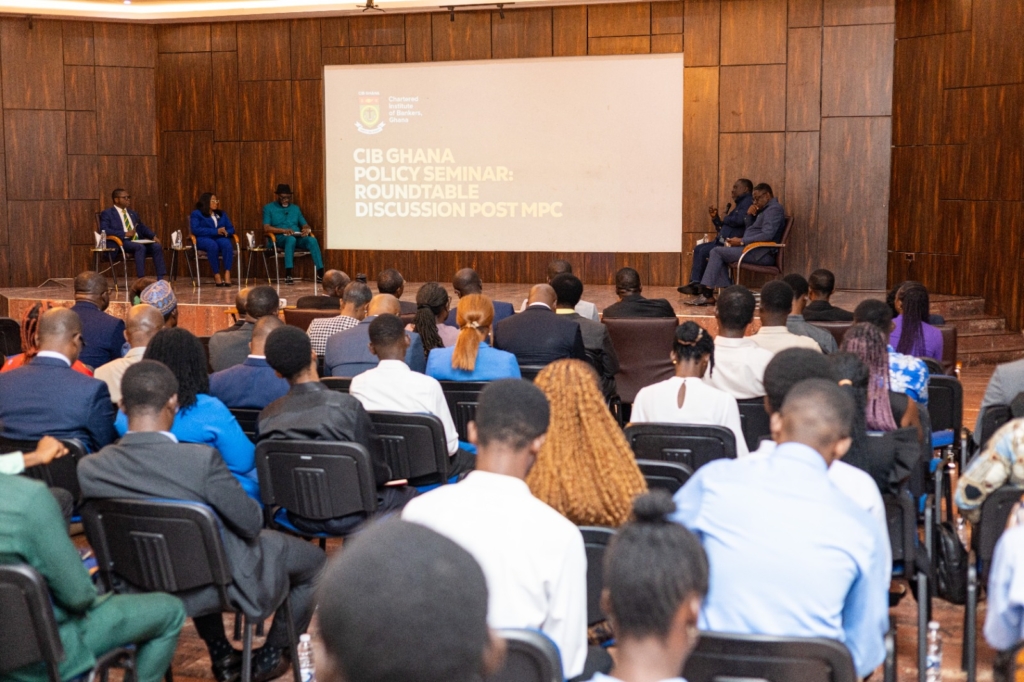
Dr. Humphrey Ayim Dake, President of the Association of Ghana Industries (AGI), expressed support for the changing interest rate environment. “We welcome the imminent low interest rate regime and expect to see more banking—that is, credit flowing into real businesses,” he said.
Mr. Joseph Obeng, President of the Ghana Union of Traders Association (GUTA), noted that declining prices of imported goods are already evident due to the cedis appreciation against major trading currencies, especially the US dollar. “If the cedi holds steady, prices will continue to come down across the board,” he said.
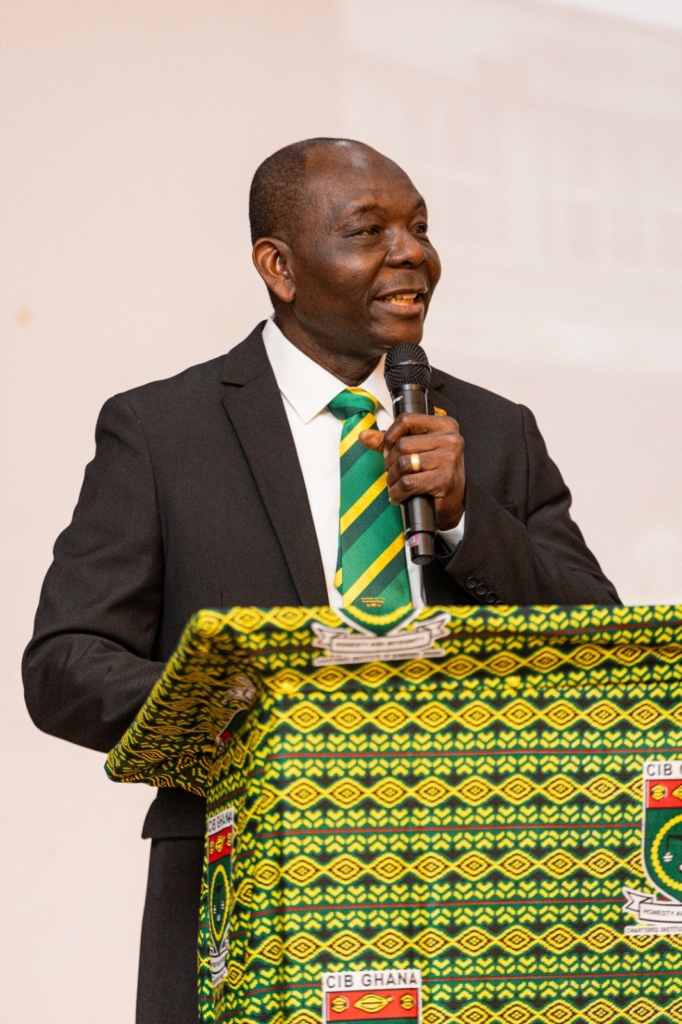
Ms. Ellen Ohene-Afoakwa, Managing Principal for Corporate and Investment Banking at Absa Bank, observed that banks are ready to lend but require better-prepared businesses. “Banks are willing to lend, but businesses must be in good shape to receive credit. Sound governance, financial discipline, and transparency matter,” she said.
The seminar affirmed the importance of inclusive, transparent dialogue in shaping policy and enhancing financial sector performance.
Latest Stories
-
UN housing expert urges Ghana to strengthen Rent Control Department amid housing affordability concerns
6 minutes -
Delta-BCI partnership reaches 166,000 people with breast cancer education
15 minutes -
Power restoration fault suspected in Kumasi Central Market fire
5 hours -
The 7-foot giant of Ngleshie Amanfro: Seven-foot Ghanaian Ephraim Saawa dreams of joining the national basketball team
6 hours -
Government promises support for Kumasi Central Market fire victims
6 hours -
Vibes The Movie: Big Ghun’s Ghanaian film earns five nominations at 2026 REFFA
7 hours -
‘I’m a fulfilled man’—Justice Korbieh on missing out on Supreme Court despite two nominations
7 hours -
MamaCare CEO warns unresolved conflicts among health workers could undermine maternal and neonatal care
7 hours -
Health professionals urged to translate medical knowledge into practice to save mothers
7 hours -
Retired judge Justice Francis Korbieh charges 1,568 new lawyers to uphold integrity
9 hours -
Conflicts among care providers linked to maternal, neonatal deaths – Expert
9 hours -
GIS marks 10th TIME conference, champions improved teaching practices
9 hours -
BRICS Or Balance? What Ghana’s bid really means
9 hours -
Adamus Resources launches breast cancer awareness campaign in Nzema
9 hours -
GPRTU wants full TRAFFITECH-GH implementation to start in 2027
10 hours