

Audio By Carbonatix
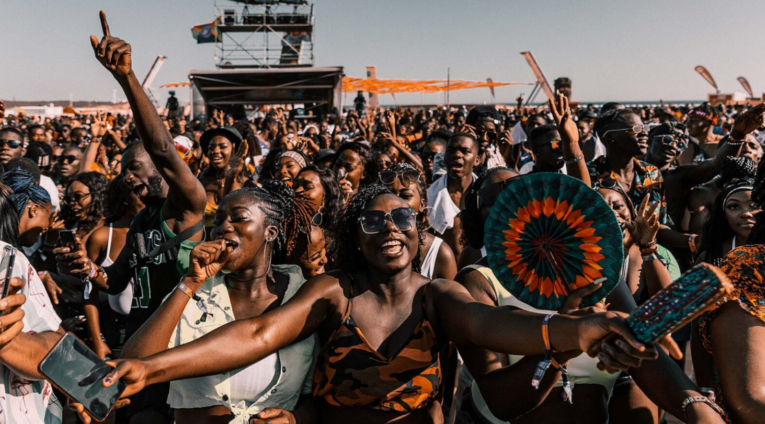
As Ghana gears up for its iconic December festivities, a vibrant tapestry of concerts, street carnivals, and diaspora homecomings, the buzz is not just about who is headlining the next big event.
A critical conversation is emerging from beneath the pulsating rhythms and dazzling lights: can these celebrations go green?
While the season is a proven boon for the creative economy, injecting millions of cedis and showcasing Ghanaian culture on a global stage, the environmental cost is coming under scrutiny.
The question now is how to balance economic gain with ecological responsibility.
“The festive season has become one of Ghana’s biggest cultural exports, but that success comes at a cost,” says Kenneth Awotwe Darko, a culture journalist and creative economy analyst.
“From single-use plastics at concerts to heavy generator use and post-event waste, our celebrations have a large carbon footprint.”
According to Darko, the goal of sustainability isn't to cancel the fun but to plan smarter.
"It’s about using renewable energy, reducing waste, and engaging communities in responsible celebration. If we ignore this, the environmental cost could soon outweigh the economic gain.”
A common concern among event organizers is the perceived high cost of implementing eco-friendly practices. However, Mr Darko argues that sustainability is not just an ethical choice, but a smart business strategy.
“It actually does make business sense,” he asserts.
"Around the world, major brands are investing in sustainable event models because consumers care about it. In Ghana, a ‘green’ reputation can attract international sponsorships, eco-conscious brands, and even diaspora investors.”
He paints a picture of a future event: solar-powered lighting and sound, reusable stage materials, and eco-branded merchandise.
This approach, he says, builds a powerful narrative of responsibility that enhances an event's credibility and appeal. “Sustainability can be both ethical and profitable.”
For event organizers looking to make the shift, Darko suggests a clear path forward. The first step is to rethink logistics by sourcing local materials, partnering with recycling companies, and aggressively limiting single-use plastics.
Secondly, they should innovate energy use by exploring hybrid or solar-powered systems for lighting and sound to reduce reliance on diesel generators. Finally, organizers can use their event platforms to promote awareness and educate audiences on sustainable practices.
“If every major December event had a green policy, even something as simple as waste sorting or reusable cups, the cumulative impact would be massive,” Darko emphasizes.
For this shift to be widespread, individual effort may not be enough. Darko believes government and industry bodies have a crucial role to play.
“Definitely. The Ministry of Tourism and Creative Arts could introduce sustainability guidelines for events, maybe even a ‘Green Event Certification’,” he proposed.
“It could also partner with private sector sponsors to support eco-friendly practices.”
Such a move, he explains, would help create a system where sustainability is woven into the very fabric of event planning. “It’s about creating a system where being sustainable isn’t optional, it’s part of how we define quality and professionalism in event production.”
As the countdown to the festive season begins, Darko’s vision for Ghana’s creative scene is ambitious. He hopes to see the nation lead the continent in redefining what a major celebration can be.
“Ghana has proven we can attract the world. Now let’s show we can do it responsibly,” he says.
“If we combine creativity with climate consciousness, we won’t just host the best parties, we’ll set the gold standard for the future of entertainment in Africa.”
The challenge for this December and beyond is clear: to design unforgettable experiences that leave behind memories, not a heavy environmental footprint.
Latest Stories
-
Power restoration fault suspected in Kumasi Central Market fire
4 hours -
The 7-foot giant of Ngleshie Amanfro: Seven-foot Ghanaian Ephraim Saawa dreams of joining the national basketball team
4 hours -
Government promises support for Kumasi Central Market fire victims
4 hours -
Vibes The Movie: Big Ghun’s Ghanaian film earns five nominations at 2026 REFFA
5 hours -
MamaCare CEO warns unresolved conflicts among health workers could undermine maternal and neonatal care
5 hours -
Health professionals urged to translate medical knowledge into practice to save mothers
5 hours -
Conflicts among care providers linked to maternal, neonatal deaths – Expert
7 hours -
GIS marks 10th TIME conference, champions improved teaching practices
7 hours -
BRICS Or Balance? What Ghana’s bid really means
7 hours -
GPRTU wants full TRAFFITECH-GH implementation to start in 2027
8 hours -
Mahama announces plans to import electric wheelchairs for PWDs
8 hours -
KGL U17 Colts 2026: Western beat Prempeh Elite Academy to set up final final with Greater Accra Region
8 hours -
Late Solanke strike salvages 10-man Spurs draw at Man United
8 hours -
Gender Ministry to monitor welfare of Nana Akua Addo’s children amid domestic violence case
8 hours -
Benedict Okyere Yeboah: Ghana’s football problem goes beyond sacking a coach
9 hours