


Audio By Carbonatix
A landmark national policy dialogue hosted at the Ghana College of Physicians and Surgeons (GCPS) has emphasised the need for the integration of mental health services for pregnant women, new mothers, and frontline health workers into Ghana’s primary healthcare system.

The RESPONSE project, spearheaded by the London School of Hygiene & Tropical Medicine (LSHTM) in partnership with the Ghana Health Service - Research and Development Division (GHS RDD) and other institutions, was funded by the UK Medical Research Council, the Foreign Commonwealth and Development Office (FCDO), and the Wellcome Trust.
The project explored scalable solutions for integrating mental health screening and support into routine maternal and frontline worker care.
Disturbing Data from the Field
The study’s findings, drawn from 42 months of research, included a six-month pilot intervention in six primary health facilities across the Prampram-Ningo and Shai-Osudoku districts in the Greater Accra Region.
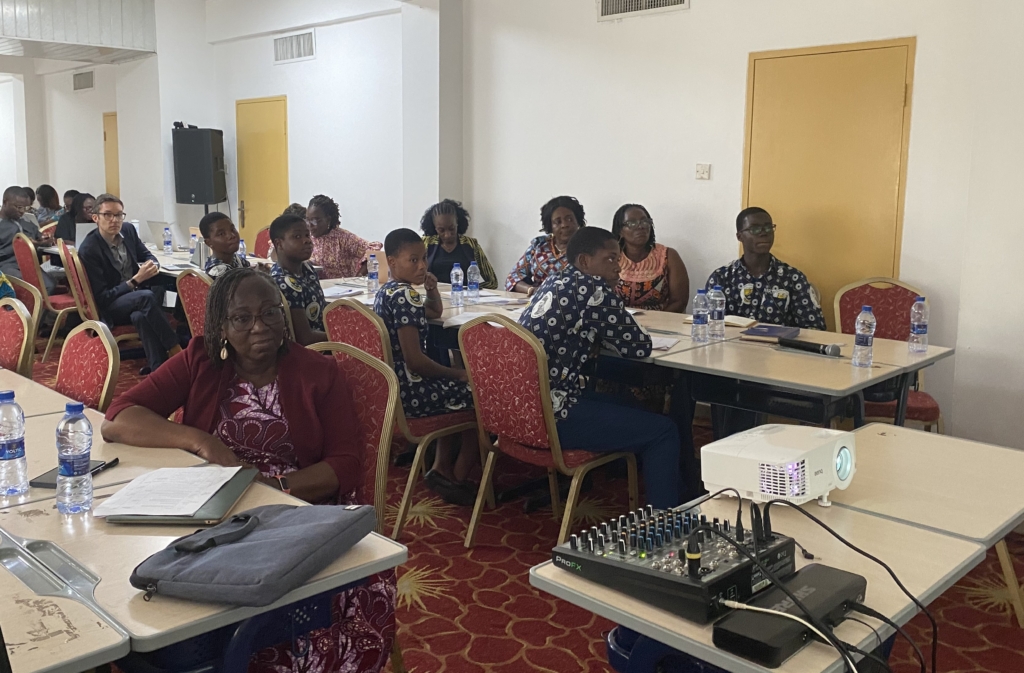
Over 2,000 women—both antenatal and postnatal—were screened using the World Health Organization’s Self-Reporting Questionnaire (SRQ-20).
The results were stark:
- 28% of women scored ≥6 on the SRQ-20, the threshold for mental distress.
- 5% admitted that thoughts of ending their lives had crossed their minds in the past 30 days.
- Among pregnant women, 36% showed signs of mental distress, compared to 25% of postnatal clients.
Particularly alarming were findings related to adolescent mothers aged 14–19.
Of the 172 teens screened:
- 43% scored ≥6 on the SRQ-20.
- This is significantly higher than the 27% rate among women aged 20 and above.
- Among women who had experienced pregnancy loss, 50% showed signs of mental distress.
“Traditionally, we focus only on postpartum depression, but our data shows the problem often starts during pregnancy,” said Professor Irene Agyepong, Co-Principal Investigator and Ghana Team Lead for the RESPONSE project.
Frontline Workers in Crisis
The mental health burden is not limited to mothers.
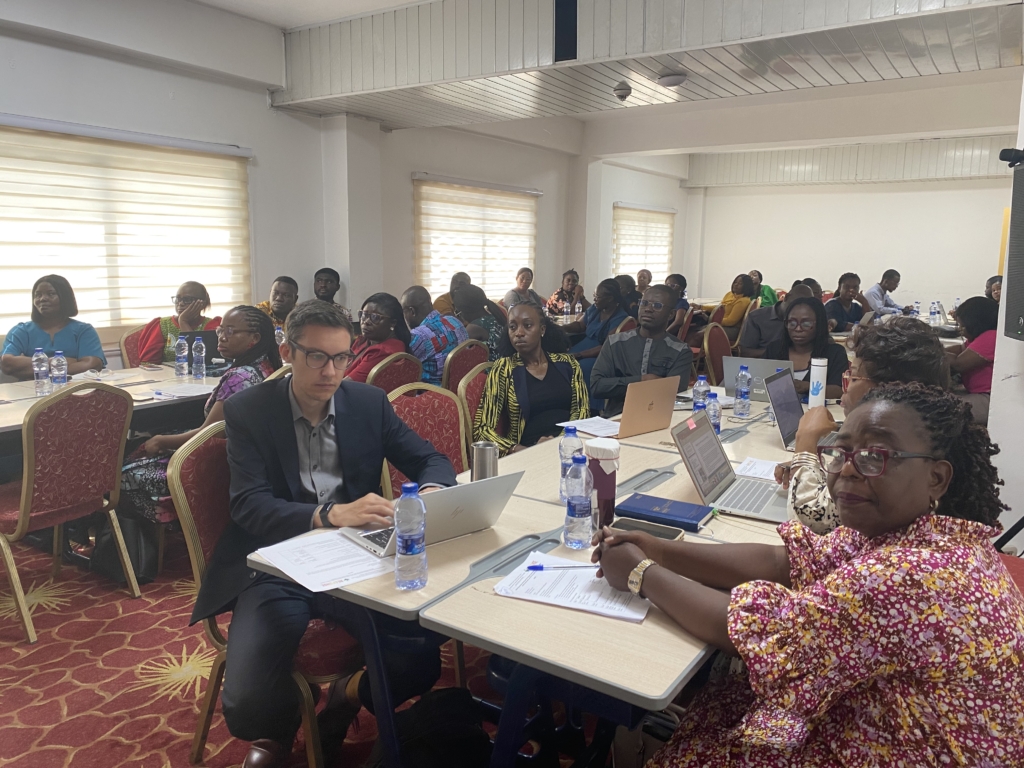
Frontline health workers also reported high levels of psychological strain.
Using the Depression, Anxiety, and Stress Scale (DASS-21), administered via a mobile application, researchers screened 172 health workers, with the following results:
- 51% experienced moderate to extremely severe anxiety.
- 37% reported moderate to extremely severe depression.
- 40% had moderate to extremely severe stress.
“Health workers told us clearly: ‘If you want us to care for patients’ mental health, you must first care for ours,’” Prof. Agyepong shared with stakeholders from across the health sector, development community, and civil society.
Tested Solutions: Feasible and Scalable
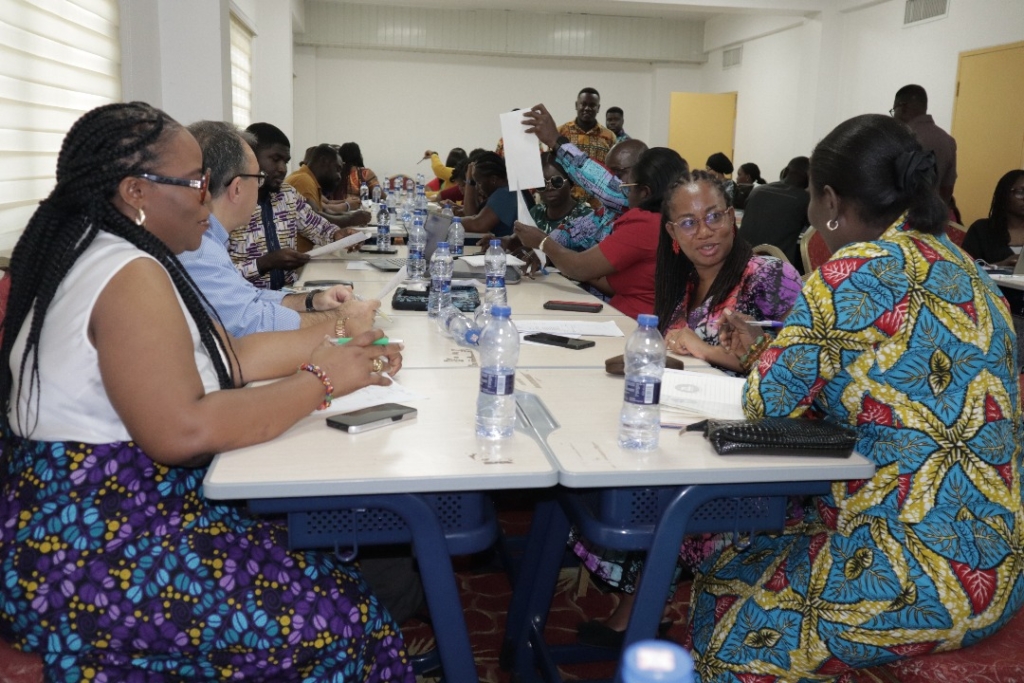
To address these issues, the RESPONSE project piloted two key interventions:
- Maternal Mental Health Screening: All pregnant and postnatal women attending primary health facilities were given the SRQ-20. Those who scored ≥6 were referred to mental health nurses trained in using WHO’s Mental Health Gap Action Programme (mhGAP), adapted to the Ghanaian context. Based on evaluations, care was either provided at the primary care level or escalated to clinical psychologists or psychiatrists, such as those at Pantang Hospital.
- Health Worker Self-Screening: Staff voluntarily completed the DASS-21 via a mobile app. Results were confidentially reviewed by a psychiatric team lead, who followed up with teleconsultations and referrals for those in need.
Despite the pilot’s success, challenges remain.
Of the 103 staff members flagged as needing support, only 56 received follow-up care, primarily due to incorrect contact information or scheduling conflicts—highlighting the need for stronger follow-up protocols.
Policy Recommendations and Next Steps
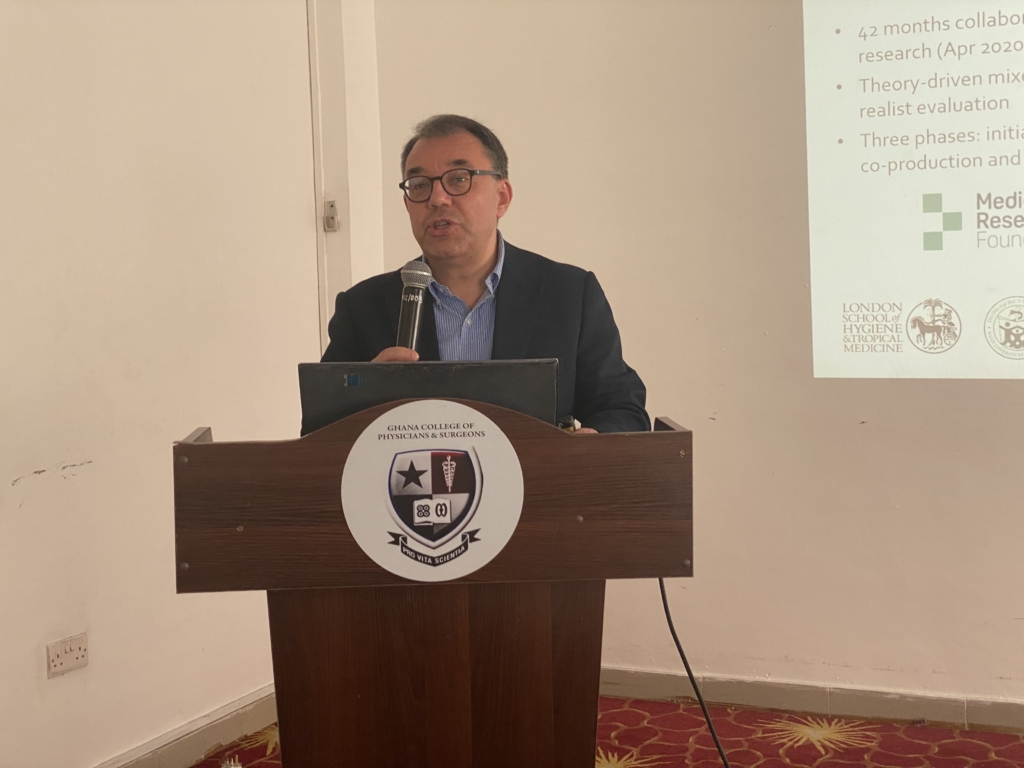
Prof. Tolib Mirzoev, Principal Investigator of the RESPONSE project, emphasised the broader implications for health systems:
“Health systems’ responsiveness is a critical aspect of performance. Prioritising responsiveness to both patients and staff, particularly in mental health, is essential.”
He also stressed the pervasive stigma surrounding mental health in Ghana, which affects both patients and providers and impedes access to care.
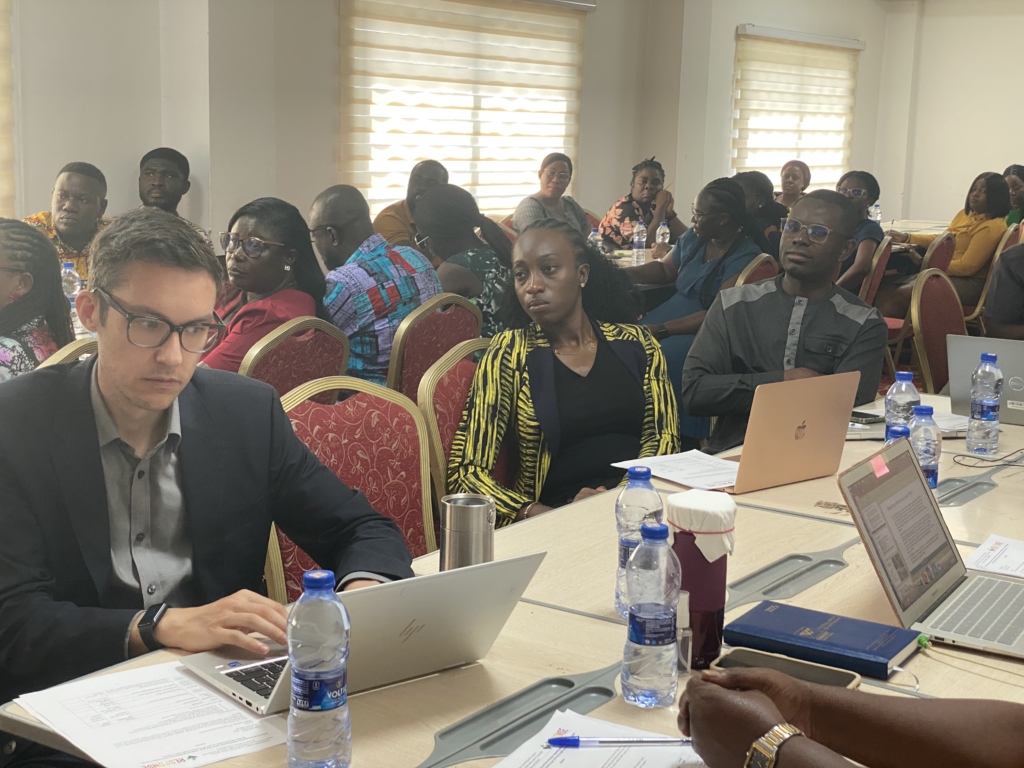
Delivering the chairperson’s remarks, Dr. Frank Atuguba, Director of the Dodowa Health Research Centre, urged the Ministry of Health and Ghana Health Service to:
- Revise the National Reproductive Health Guidelines to include mental health screening.
- Allocate dedicated budgets for frontline health worker mental health support.
- Institutionalise the RESPONSE tools as part of national protocols.
Dr. Bertha Garshong, a researcher on the project, highlighted the need for targeted interventions for adolescent mothers and women who have suffered pregnancy loss, who are among the most vulnerable.
To take the project forward, participants at the dialogue committed to forming a Technical Working Group to:
- Explore national scale-up strategies.
- Design robust monitoring and evaluation systems.
- Investigate sustainable financing structures, including integration into the National Health Insurance Scheme (NHIS).
“Maternal and health worker mental health is not a luxury—it is foundational to achieving universal health coverage and the Sustainable Development Goals,” Prof. Agyepong concluded.
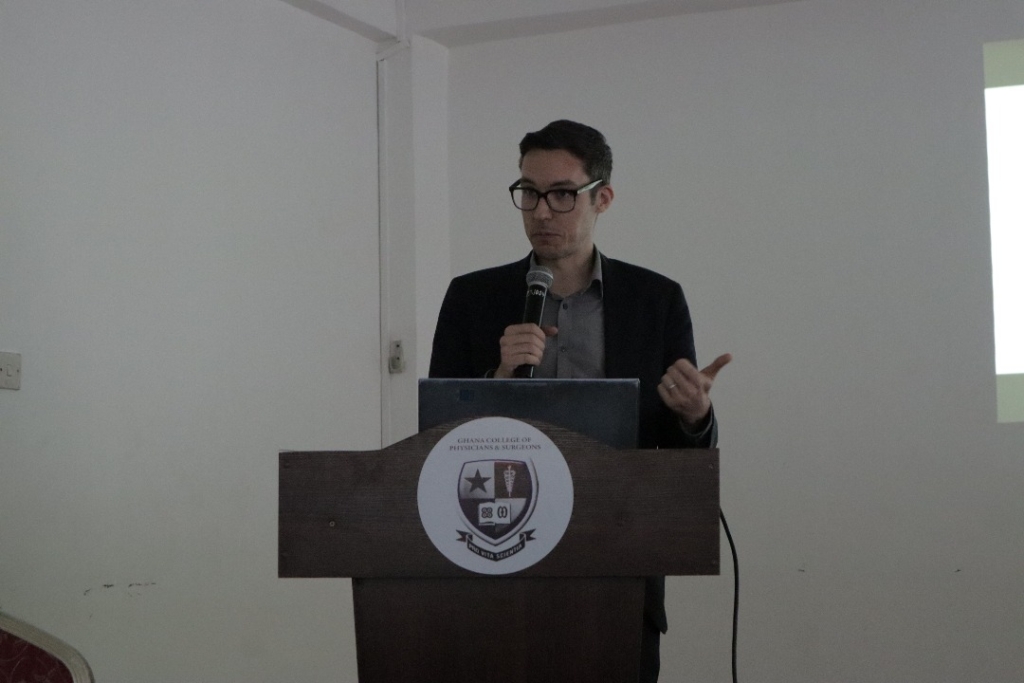
“Today’s evidence shows we already have simple, feasible, and acceptable solutions. The question is no longer ‘if’ but how quickly and how well we act.”
As Ghana strives toward achieving equitable and comprehensive healthcare, the integration of mental health into primary care may no longer be optional—but essential.
Other researchers on the RESPONSE project were Dr Linda Lucy Yevoo, Dr Daniel Adjei, Dr Elizabeth Awini, Dr Leveana Gyimah, Anthony Danso-Appiah, Mary Eyram Ashinyo and Mr Wonder Siegward.
Latest Stories
-
Are we marketing Ghana before fixing the experience? A hard question for our tourism ambition
4 minutes -
AFCON 2027Q: Prince Adu Kwabena major doubt for Ghana after head injury
5 minutes -
Government to procure furniture to help more SHSs move from double-track — Haruna Iddrisu
12 minutes -
Adutwum spokesperson alleges ‘turf war’ between Education Ministry and GES over Free SHS
14 minutes -
Black Stars: Adu Kwabena a doubt for September-October games after head injury
26 minutes -
Fire guts four-bedroom apartment at Millennium City
28 minutes -
KMA seeks funding to restart stalled Kumasi Central Market Phase II project
48 minutes -
Government unveils new guidelines to improve regulation of non-profit organisations
53 minutes -
Annoh-Dompreh cautions against partisan application of law in political speech cases
1 hour -
Oti Peace Council sensitises Assembly Members in Jasikan, Kadjebi on conflict prevention
1 hour -
Nawara petitions Ghana Police over alleged armed raid, gold seizure and destruction of mining equipment
1 hour -
Ahafo Ano South West DCE Abubakar Sedik dies after brief illness
1 hour -
Ghana must draw lessons from Nkrumah’s Seven-Year Development Plan — Kwesi Pratt
1 hour -
Oil hits over 1-week low on hopes of boost to diplomacy in Iran war
3 hours -
They take GH¢100, sometimes GH¢200 – Okada riders allege police extortion in Accra
3 hours