

Audio By Carbonatix
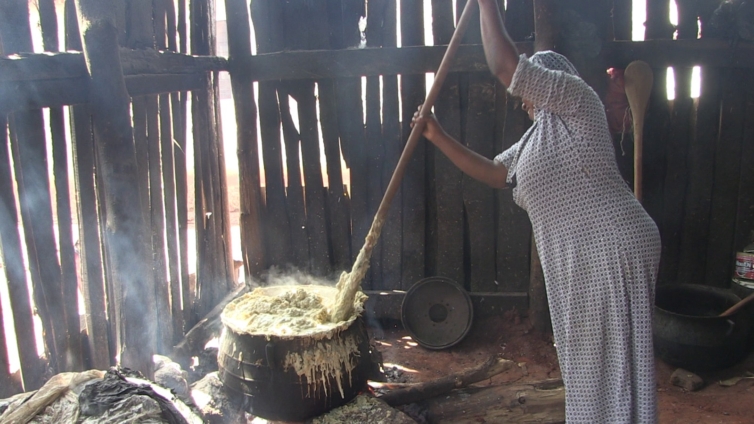
At a small cooking spot in Duayaw Nkwanta Zongo, in the Tano North Municipality of the Ahafo Region, 65-year-old kenkey seller, Hawa Mumuni bends over a smoking wood fire. The heat hits her face as she stirs a large pot - the same way she has cooked for 45 years.
Not far from her, porridge vendor, Zaliyatu Issaka, arranges firewood under her metal stand, preparing for the morning rush. For her, firewood is “cheap, fast and always available.”
These women are the human face of a clean-energy transition they say is passing them by.
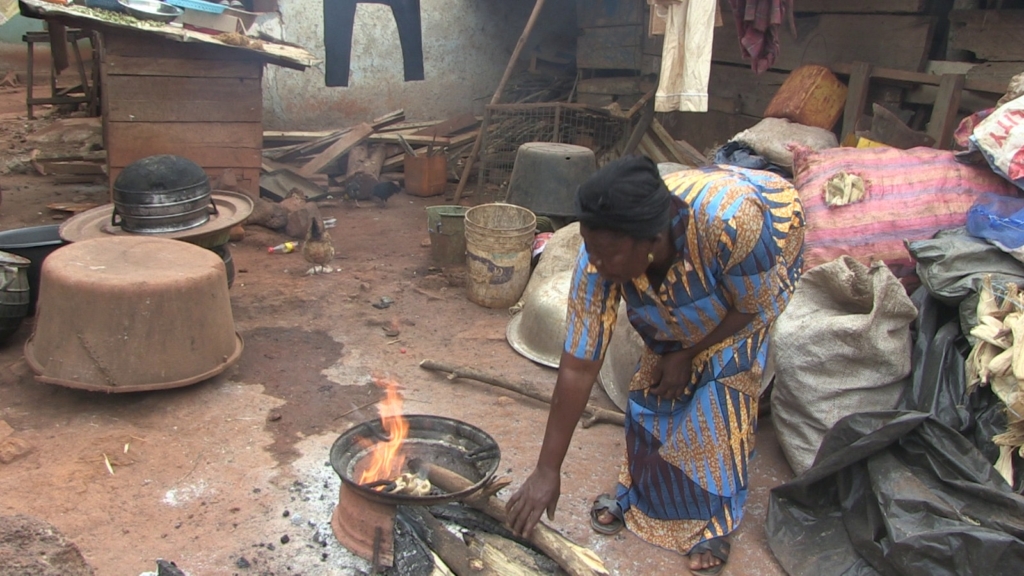
Hawa says firewood is not her choice - it is her only option.
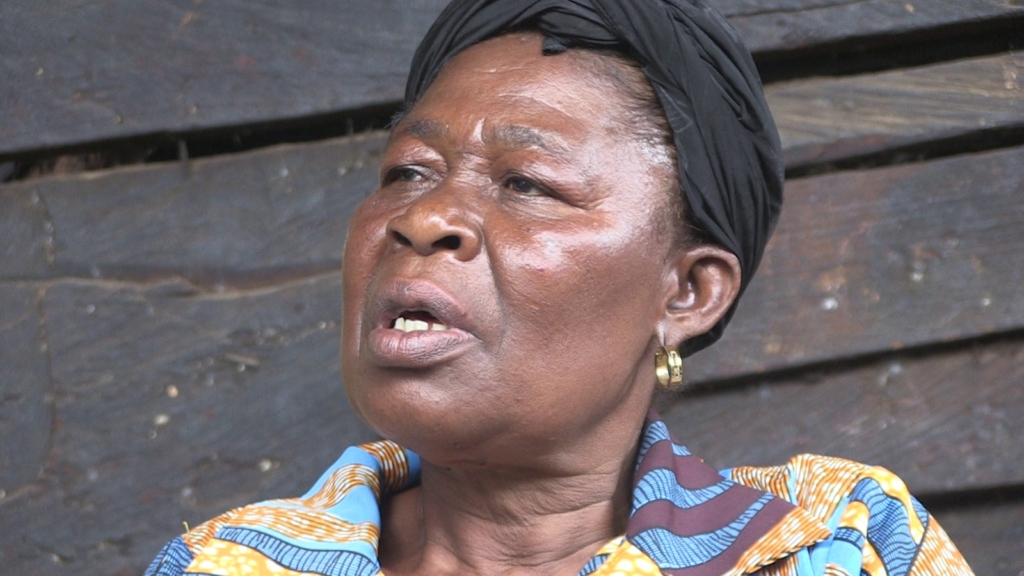
“We still cook with firewood because that is what we have here. The new energy solutions they talk about, we haven’t seen them. No one has sat with us to explain anything.”
Zaliyatu agrees. She knows cooking with firewood is risky, but says Liquefied Petroleum Gas (LPG) is too expensive, and even when she can afford it, it is often unavailable.
“Firewood is what we can get. Gas is costly and sometimes you won’t even get it to buy.”
Many more women in Duayaw Nkwanta feel trapped between poverty and the high cost of clean fuels.
Ghana is working hard to expand renewable energy to fight climate change. The government hopes to increase renewable energy in the national energy mix from about 2% to 10% by 2030. Solar power, clean cookstoves, and LPG are key strategies.
But in rural parts of the Ahafo Region, many residents say the transition is not reaching them. They are still stuck with old, polluting energy sources - while modern technologies remain far from their homes.
Hawa and Zaliyatu, clearly feels excluded in the energy planning, a situation that is contrary to the 2021 Nationally Determined Contribution against climate change, which calls for inclusive and gender responsive climate policies.
A 2021 research work, led by Baker, E. also noted that exclusion undermines the principles of energy justice, as the people most affected by energy decisions have little to no influence on policy or implementation. It added that, without the shift, Ghana’s energy transition risks reinforcing inequalities rather than addressing them.
National Data Shows Deep Inequalities
Numbers from the Ghana Statistical Service (GSS) show the problem goes far beyond Ahafo. Only 23% of households’ nationwide use clean cooking fuels or technologies. About 77% still rely on firewood, charcoal or other solid fuels while LPG use is high in cities but very low in rural communities.
A study found that only 13.8% of women of reproductive age in Ghana use LPG; most still depend on firewood or charcoal.
Experts say clean energy is still more accessible to urban, wealthier and educated households, leaving rural and low-income families behind.
According to Environmental Officer for Sunyani Municipality, Daniel Owusu Korkor, poverty is one of the reasons why people continue to use firewood. “They cannot afford LPG. We don’t like it, but gradually we will reach that point.”
He says stronger enforcement of environmental bylaws could help change behaviour in the long term.
Local health officials in the Tano North Municipality say many women and children are beginning to show worrying signs of respiratory disease.
District Director of Health, Eva Ayi, says prolonged exposure to smoke from firewood and charcoal is creating a silent health emergency. “We need urgent action to protect women and children.”
Why Clean Energy Is Not Reaching Rural Women
Women in communities like Duayaw Nkwanta point to four big barriers, including clean fuels, are too expensive or unavailable, LPG prices fluctuate, and cylinders are costly. Electricity and solar systems are out of reach for most small-income households.
Many rural communities simply do not have functioning supply networks for LPG or improved cookstoves. Most of them have never received education on safe LPG use or demonstrations of improved cookstoves.
Some fear LPG explosions. Others worry solar systems will fail during cloudy periods.
One of the Youth Leaders, Amin Ali Adams says the transition is failing because communities are not involved.
“The transition cannot work if the people affected are not heard. Their concerns are valid.”
The government has introduced several programmes including Rural LPG Promotion Programme (RLP): distributes subsidisedLPG cylinders and stoves.
But stakeholders admit these efforts are still not reaching villages like Duayaw Nkwanta, where access, affordability, and information barriers remain strong.
Women like Hawa and Zaliyatu, supported by local experts, suggest practical actions by intensifying rural education on LPG safety and the benefits of improved cookstoves, and its reliable supply networks for LPG, among others.
For many rural women in Ahafo, clean energy remains a distant promise.
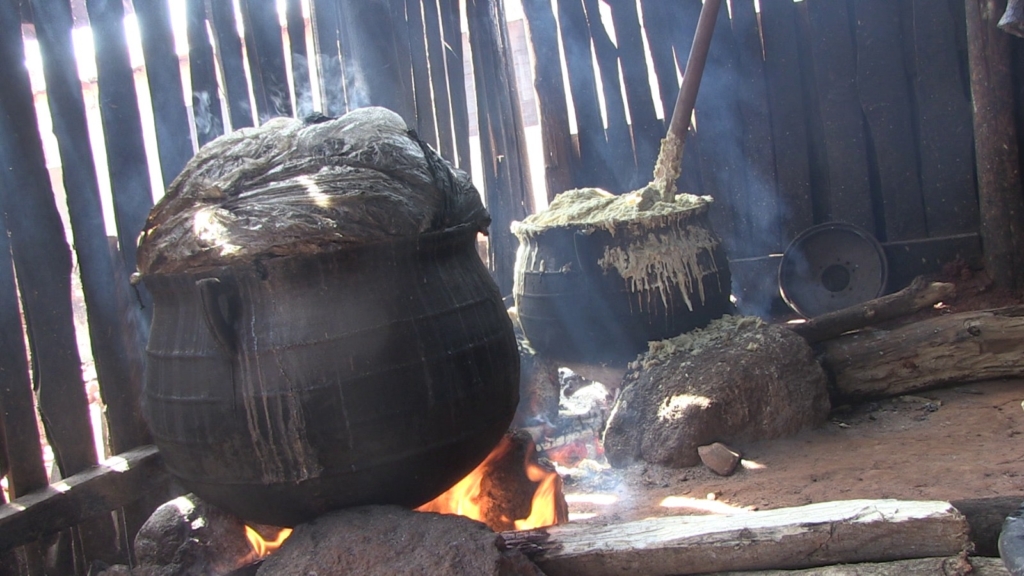
Each day, smoke from firewood and charcoal fills their kitchens - affecting their health, polluting the air, and deepening energy poverty.
Nationally, Ghana has strong policies to expand renewable energy and reduce harmful fuel use. But the story in Ahaforeveals a painful truth that, good policies alone are not enough.Rather, they must be a stakeholder-led approaches to get everyone on board as advocate by the Ghana Climate Change Policy (GCCP).
This article is written as part of a collaborative project between JoyNews, CDKN Ghana, and the Centre for Climate Change and Sustainability at the University of Ghana, with funding from the CLARE R41 Opportunities Fund.
Latest Stories
-
Ghana’s Farida Iddriss elected Secretary-General of Africa Aquatics Zone II
19 minutes -
Amin Adam commissions four health facilities in Karaga
23 minutes -
Ghana’s state-owned enterprises return to profit with GH¢19.8bn gain in 2025 — SIGA
1 hour -
Fuel prices set to rise again from Sept 1; petrol could hit GH¢16.21 – COPEC
3 hours -
REGSEC restricts Akwasidae celebrations in Denkyira amid security concerns
3 hours -
Eric Adjei distributes free fertiliser to farmers in Jaman North
3 hours -
Akufo-Addo urges NPP factions to unite behind Bawumia for 2028 victory
4 hours -
NDC mourns Western Regional Elections Director Papa Assan
4 hours -
Minerals Commission warns against fake job recruitment schemes
4 hours -
NYA CEO Osman Ayariga rallies youth against drug abuse at ‘Red Means Stop’ campaign
4 hours -
10 recruits dismissed for defying phone ban – Interior Minister
4 hours -
IEAG commends GoldBod, BoG for improving forex stability
4 hours -
Bawumia donates GH¢50,000 to St Jude Catholic Church at Weija
4 hours -
Mahama calls for faster mobilisation of AU Peace Fund resources
4 hours -
Amin Adam pays tribute to late Tolon Paramount Chief
4 hours