

Audio By Carbonatix
Ghana’s economy is experiencing a remarkable revival. Just a few years ago, the nation faced high inflation, a depreciating currency, unsustainable public debt, and international credit downgrades that pushed it into “junk status.” Today, under the leadership of President John Dramani Mahama, the country is emerging from economic distress into a period of stability, renewed business confidence, and social relief.
From Crisis to Stability
When President Mahama assumed office in January 2025, he inherited an economy struggling with fiscal imbalances and a high debt burden. Public debt had ballooned, inflation soared to double digits, and investor confidence had eroded. In response, his administration implemented a comprehensive economic reset focused on fiscal discipline, restoring reserves, and rebuilding credibility.
A critical step was securing a US$3 billion IMF Extended Credit Facility, which supported macroeconomic stabilization. Ghana’s adherence to IMF benchmarks led to multiple positive reviews, reduced inflation, and strengthened fiscal discipline. Inflation, which had been volatile, fell to manageable levels, while GDP growth stabilized at around 5.7%, signaling resilience despite global challenges.
Debt Restructuring and Credit Recovery
Under President Mahama’s guidance, Ghana undertook aggressive debt management. Key achievements include early settlement of external obligations, such as a US$709 million Eurobond, and repayment of a US$500 million World Bank guarantee. These actions reinforced Ghana’s credibility in global markets and signaled commitment to responsible fiscal management.
The government also negotiated a US$2.8 billion debt relief deal with international creditors, rescheduling payments and easing fiscal pressure. These steps contributed to credit rating improvements. Agencies like Fitch upgraded Ghana’s rating to B‑ with a stable outlook, reflecting reduced default risk and restoring investor confidence.
Business Revival and Investment Climate
Ghana’s improved macroeconomic environment has energized the business sector. Currency stability, strengthened foreign reserves, and a predictable policy environment have attracted renewed domestic and foreign investment. Notably, initiatives like the 24-hour economy aim to expand productivity, stimulate exports, and create jobs across agriculture, manufacturing, and services.
The government’s focus on fiscal discipline, coupled with investor-friendly policies, has created opportunities for both established companies and startups. Volta Aluminium Company (VALCO) and other key enterprises have reported improved performance, reflecting the wider economic upswing.
Social Impact: Relief for Citizens
The economic turnaround has tangible social benefits. Reduced inflation has alleviated pressure on household budgets, lowering the cost of essentials like food, transport, and energy. Employment prospects are improving as investment grows, particularly for youth, and public confidence is returning. The government’s policy measures are gradually translating macroeconomic gains into real improvements in daily life, fostering hope and stability across communities.
Leadership at the Core of Success
President John Dramani Mahama’s decisive and strategic leadership has been central to Ghana’s recovery. His administration prioritized restoring fiscal credibility, negotiating debt relief, and fostering an enabling environment for business. By balancing macroeconomic reforms with social considerations, Mahama has strengthened Ghana’s global reputation while protecting citizens from the worst impacts of the previous crisis.
Looking Ahead: Sustaining Growth
Despite significant progress, Ghana’s recovery remains a work in progress. Sustained fiscal discipline, continued structural reforms, and strategic investments in productive sectors will be essential to ensure long-term growth and social equity. President Mahama has signaled a commitment to gradually phase out reliance on emergency financing, anchoring growth in self-sustaining economic fundamentals.
Ghana’s journey from “junk status” to renewed stability demonstrates the impact of disciplined governance, strategic debt management, and proactive leadership. With continued reforms and investment, the country is poised to solidify its place as a resilient, investor-friendly economy in Africa.
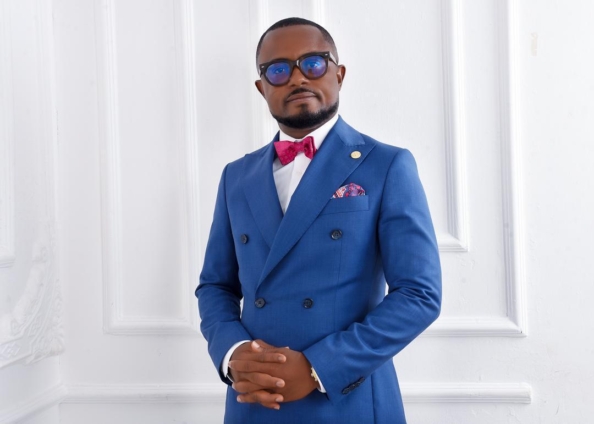
OSAGYEFO Ernest De-Graft Egyir,
Founding CEO, CEO Network Ghana.
Thought Leader & CEO Advisor.
Latest Stories
-
Vendors promise quality, discounts at Joy FM Back-to-School Fair
9 seconds -
Ghana leather manufacturers demand lower tariffs, threaten demonstration over high costs
5 minutes -
Roads Minister threatens to terminate Techiman–Nkonsia–Wenchi road contract
16 minutes -
Beyond compliance: Industrial resilience as a strategic component of national security
20 minutes -
What if “I’m fine” isn’t fine?
40 minutes -
Nigerian music lawyer Akinyemi Ayinoluwa reveals factors driving Nigeria’s music success
51 minutes -
Boards’ dissolution: Mahama won’t tolerate indiscipline, poor performance – Secretary
1 hour -
Missing gospel musician Bernice Offei found
1 hour -
Chief Justice Baffoe-Bonnie explains why judges sit during Ghana’s legal vacation
1 hour -
‘Cases don’t go on leave’ – Chief Justice defends judges sitting during legal vacation
1 hour -
Woman charged with juror intimidation in Lindsay Clancy trial
2 hours -
Finance minister begins consultations with Trade Ministry on new economy programme
2 hours -
Ghana Credit Excellence Awards 2026 to honour banking and financial sector trailblazers
2 hours -
GCAA rejects GhATSEA allegations of unfair labour practices and intimidation
2 hours -
Revenue performance improves but below target, expenditure lines also below target – BoG
2 hours