

Audio By Carbonatix
Stakeholders in the agriculture sector have intensified efforts to prevent the introduction of Banana Bunchy Top Disease (BBTD), a highly destructive plant disease that threatens banana and plantain production into Ghana.
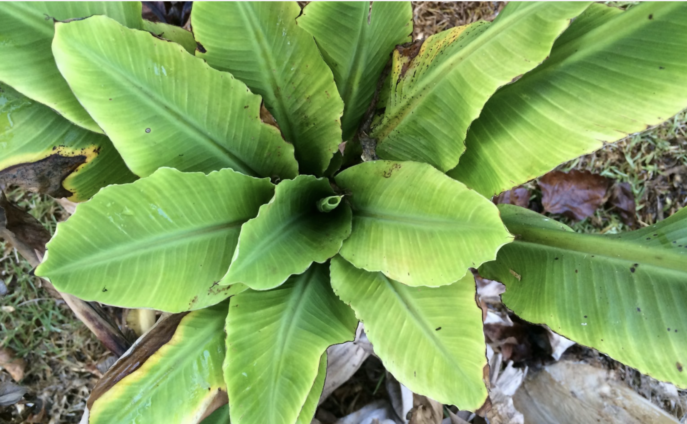
The disease, which affects banana and plantain, causes stunted growth, yellowing leaves, poor fruiting and, in severe cases, plant death.
Dr Lakpo Koku Agboyi, Senior Scientist in Invasive Species Management at CABI, said, although BBTD had not been detected in Ghana, the country remained at high risk due to its presence in neighbouring countries such as Benin and Nigeria.
He told the Ghana News Agency at a stakeholder workshop in Accra that banana and plantain were staple foods, and any outbreak would have serious implications for food security and farmer livelihoods.
CABI is an international, intergovernmental, not-for-profit organisation that applies scientific expertise to address challenges in agriculture and the environment.
Dr Agboyi said the disease was spread by the banana aphid and through infected planting materials.
“Since most banana and plantain farmers source planting materials from their neighbours, there is a high risk of farmer-aided spread of the BBTD when it is introduced into the country,” he said.
A study by CABI found that many farmers had limited knowledge of the disease and its vector, and recommended sustained public education to support early detection, reporting and rapid response.
Over the past five years, CABI has supported surveillance and laboratory testing in collaboration with the Plant Protection and Regulatory Services Directorate and the Biotechnology and Nuclear Agriculture Research Institute.
Samples collected nationwide have so far confirmed the absence of the disease.
Professor Ken Okwae Fening, Associate Professor of Agricultural Entomology at the University of Ghana, said prevention remained the most cost-effective approach, as control after introduction would be difficult and expensive.
He advised farmers to avoid moving planting materials from unknown sources and to report unusual symptoms to agricultural extension officers.
Participants called for strengthened collaboration among government agencies, researchers, development partners and farming communities to enhance prevention efforts.
They emphasised the need for effective border inspections, increased awareness, early reporting and coordinated action to safeguard banana and plantain production.
Latest Stories
-
Oil hits over 1-week low on hopes of boost to diplomacy in Iran war
45 minutes -
They take GH¢100, sometimes GH¢200 – Okada riders allege police extortion in Accra
54 minutes -
NACOC: We’ve found no presidential escort among suspects in €225m France cocaine case
1 hour -
Don’t turn students away over trunks and chop boxes – GES
1 hour -
Italian Apple store employees strike on iPhone 18 Pro launch day
1 hour -
Apple’s Tim Cook sees Australia’s social media curbs as ‘world-leading’, PM says
2 hours -
Amazon raises minimum hourly pay by $1 to $20 for US operations workers
2 hours -
Insurance cost has largely remained stable – NPA boss on transport fare pressure
2 hours -
Multiple unions threaten strikes at Barrick’s flagship Mali gold mine, documents show
2 hours -
Infantino invited to African summit as he faces challenge to FIFA leadership
2 hours -
NPA boss flags ‘recalcitrant’ transport operators raising fares arbitrarily
3 hours -
GPRTU fare hike put on ice after talks with government – NPA boss reveals
3 hours -
I’m greatly worried – NPA boss on threat of higher transport fares
3 hours -
We are largely import-dependent – NPA boss on Ghana’s fuel vulnerability
4 hours -
Ghana’s fuel market is built for turbulence – NPA’s Edudzi Tamakloe explains why
4 hours