

Audio By Carbonatix
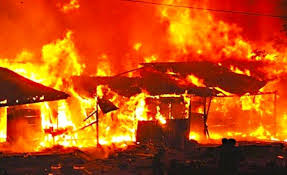
The Ghana National Fire Service (GNFS) has identified five main causes of fire outbreaks in the country, even as it reports a significant reduction in fire incidents, deaths, and injuries for the first quarter of 2026.
According to the Service, fire incidents fell by 10.02 per cent over the period under review. Fire-related deaths reduced by 53.5 per cent, while injuries declined by 62.79 per cent. Bushfires also recorded a 10.2 per cent drop, and prank calls to emergency lines decreased by 17.8 per cent.
The GNFS further reported a substantial improvement in property protection, with the value of salvaged assets rising sharply to GH¢479,457,385.00 from GH¢151,026,471.40 in the same period in 2025, representing an increase of 217.47 per cent.
Out-of-Arrival (OOA) cases also rose to 651, compared to 558 in 2025, reflecting improved public response and early containment of fires before firefighters arrive at the scene.
Despite the positive trends, the Service outlined five key drivers of fire outbreaks that continue to pose risks nationwide:
- Electrical faults and misuse of appliances
Faulty wiring, power surges, and improper use or overloading of electrical appliances remain a leading cause of fires in homes and workplaces. - Unattended cooking and LPG leakages
Fires resulting from unattended cooking and poor handling of liquefied petroleum gas (LPG) cylinders continue to feature prominently. - Indiscriminate burning of refuse and bushfires
Uncontrolled burning of waste and vegetation remains a major contributor to bushfires and property destruction, particularly in peri-urban and rural areas. - Misuse of naked flames
Careless use of candles, mosquito coils, matches, and lighters continues to cause preventable fires, especially in residential communities. - Lightning and deliberate acts
Natural occurrences such as lightning strikes, as well as intentional acts of arson, were also identified as causes, though less frequently than other factors.
The GNFS attributed the overall improvement in fire statistics to intensified public education, strengthened emergency response systems, and increased community involvement in early fire control.
It noted that the rise in Out-of-Arrival cases reflects improved public capacity to contain fires before they escalate, reducing damage and saving lives.
While commending the progress made, the Service stressed the need for sustained vigilance, particularly in addressing the identified causes, which are largely preventable through responsible behaviour and adherence to safety standards.
The GNFS reaffirmed its commitment to enhancing fire prevention education and improving rapid response capabilities nationwide, describing fire safety as a shared responsibility requiring continued public cooperation.
Latest Stories
-
Trump administration moves to impose more than $100,000 fee for H-1B worker visas
16 minutes -
Oil prices steady as investors weigh impact of expanded US sanctions against Iran
2 hours -
Trump administration plans to revoke visas of foreigners seeking asylum
2 hours -
US appeals court considers reassigning case from judge over AI use
2 hours -
Trump bought shares in Elon Musk’s SpaceX in June, financial disclosure shows
3 hours -
MTN approves $375 million share buyback after profit rise
3 hours -
Ghana gold buyers went weeks without funds, sources say
3 hours -
Nevada sues to block Trump administration’s Colorado River plan
3 hours -
Tunisian hospital receives 19 bodies after migrant boat sinks
3 hours -
Oil drops more than $2 despite new US sanctions on Iran
3 hours -
Dangote refinery drives seven-fold rise in Nigeria petroleum product exports, EIA says
4 hours -
Zambia closes courts on last day to file election challenge
4 hours -
Nearly three million Teslas recalled in China over hidden door handles
4 hours -
China probes use of formaldehyde to keep cabbages fresh
4 hours -
Veteran Nollywood actor Taiwo Hassan ‘Ogogo’ dies at 65
4 hours