

Audio By Carbonatix
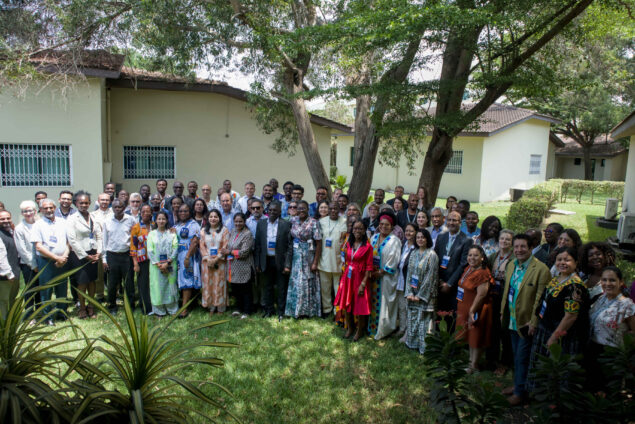
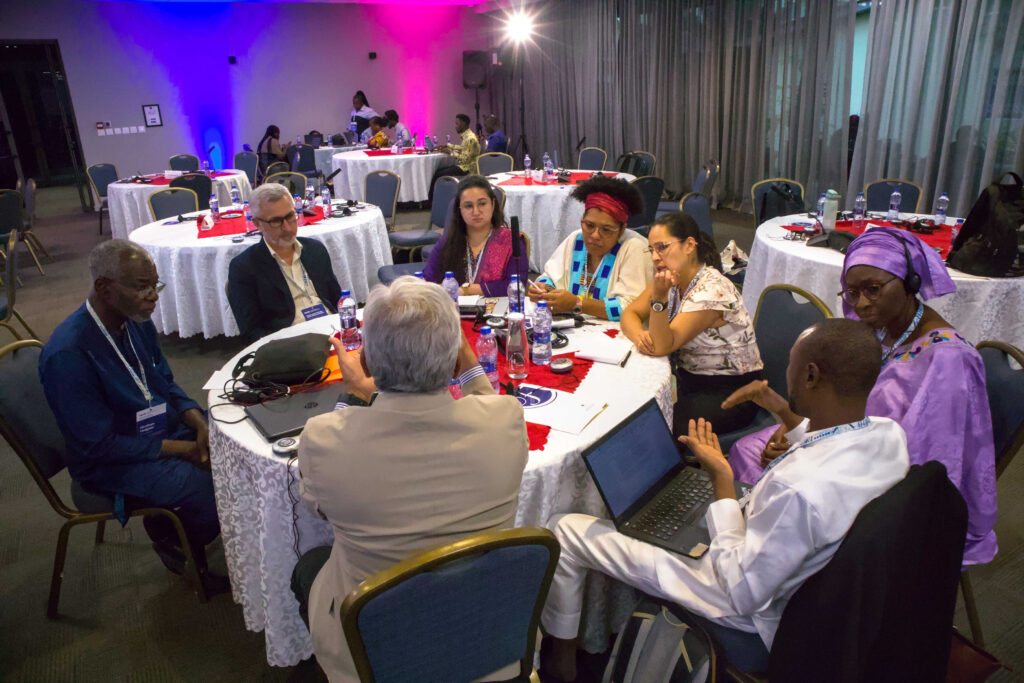
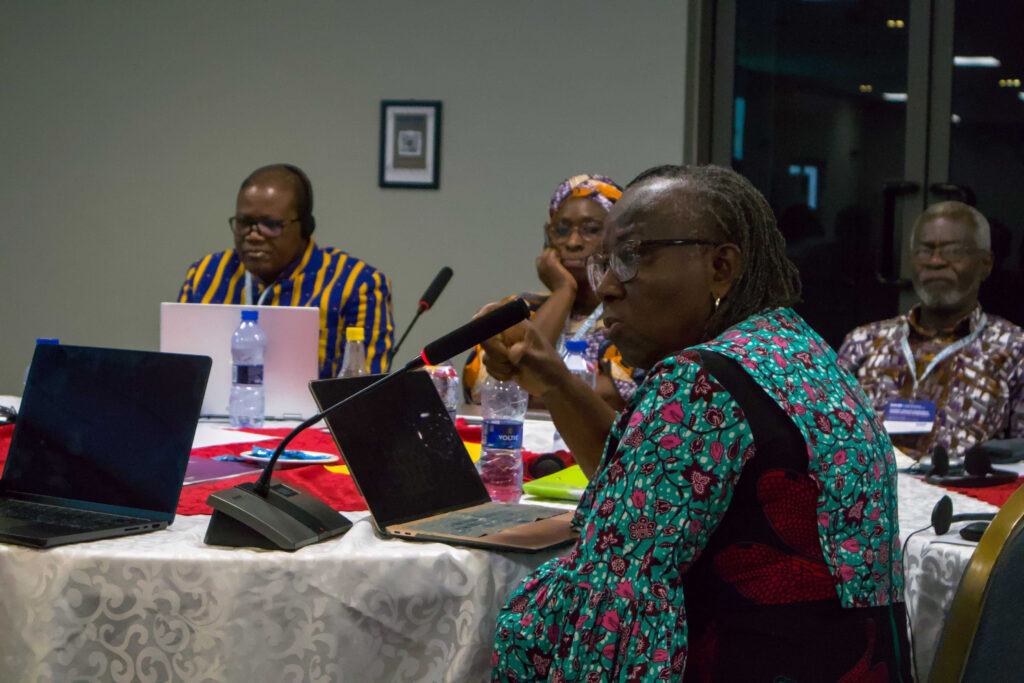
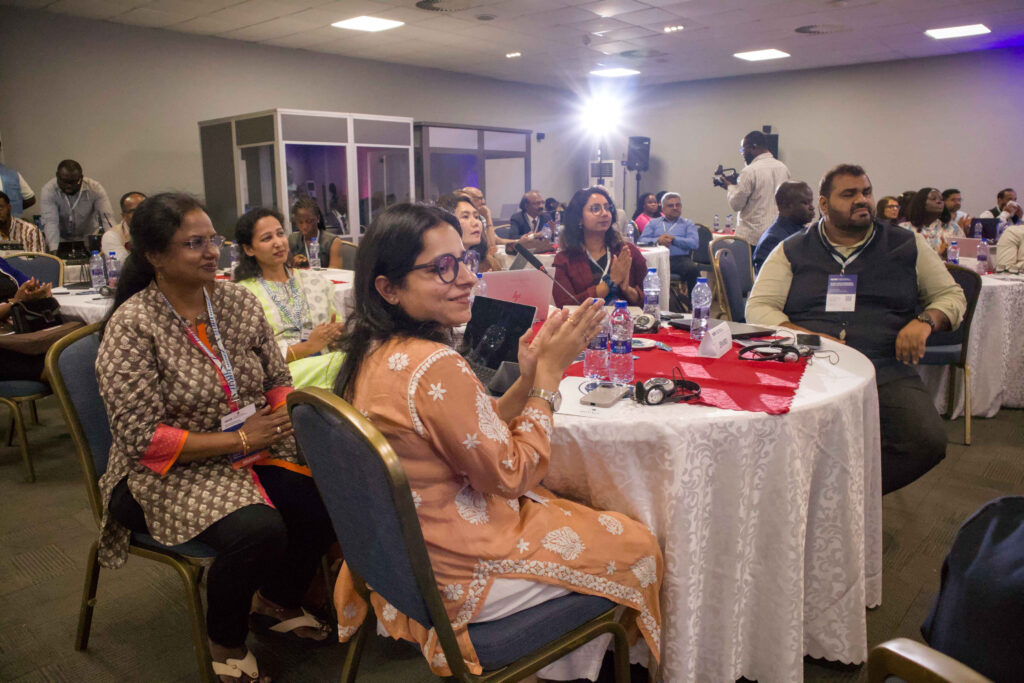
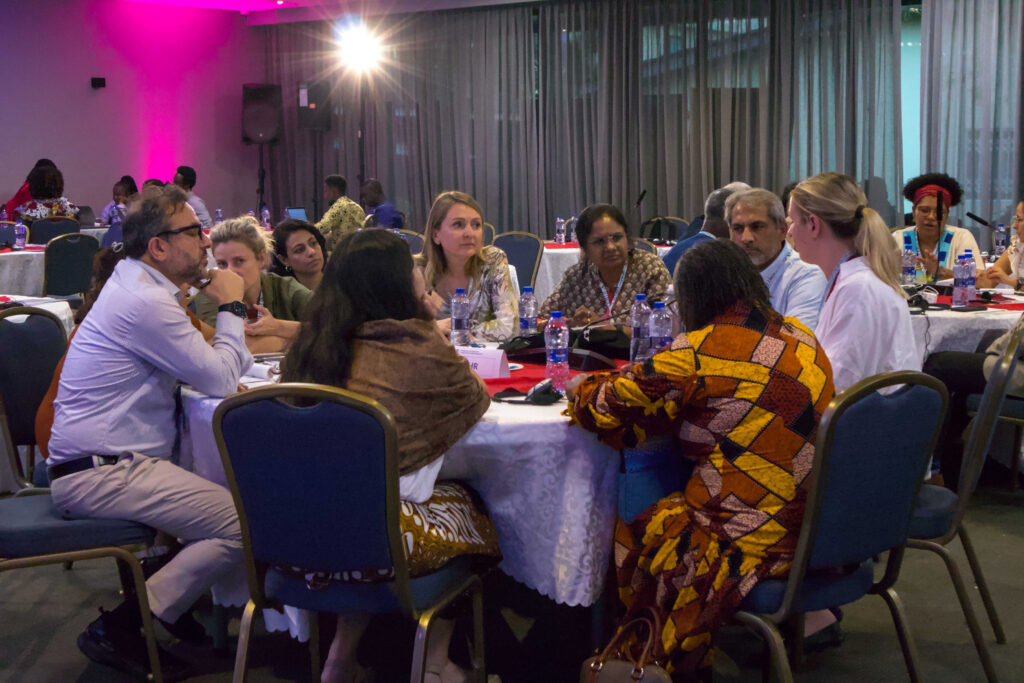
The National Institute for Health and Care Research (NIHR) has convened a cross-section of global health leaders, policymakers and scientists in Accra for a high-level summit focused on tackling non-communicable diseases (NCDs), now the leading cause of death worldwide.
The three-day symposium, held from April 28 to April 30, was hosted by the NIHR Global Health Research Centre for NCD Control in West Africa, co-led by the Ghana College of Physicians and Surgeons (GCPS) and the London School of Hygiene and Tropical Medicine (LSHTM).
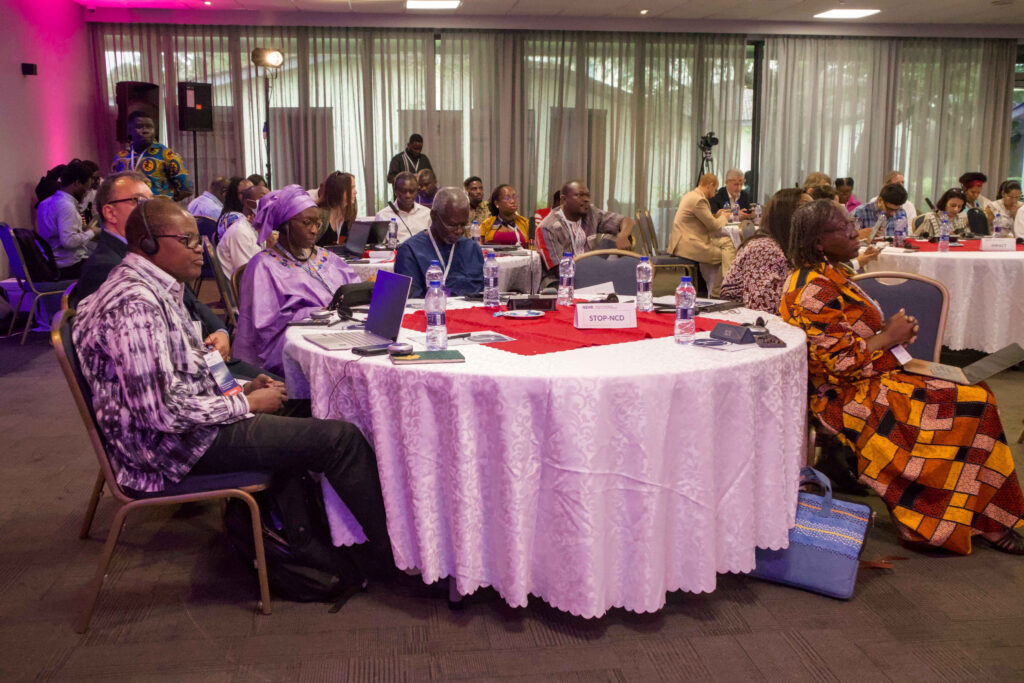
Held under the theme “Ensuring Sustainability from Global Health Research Centres", the gathering signalled a decisive shift from theory and pilot design to large-scale implementation of health interventions across Africa, Asia, Latin America and the United Kingdom.
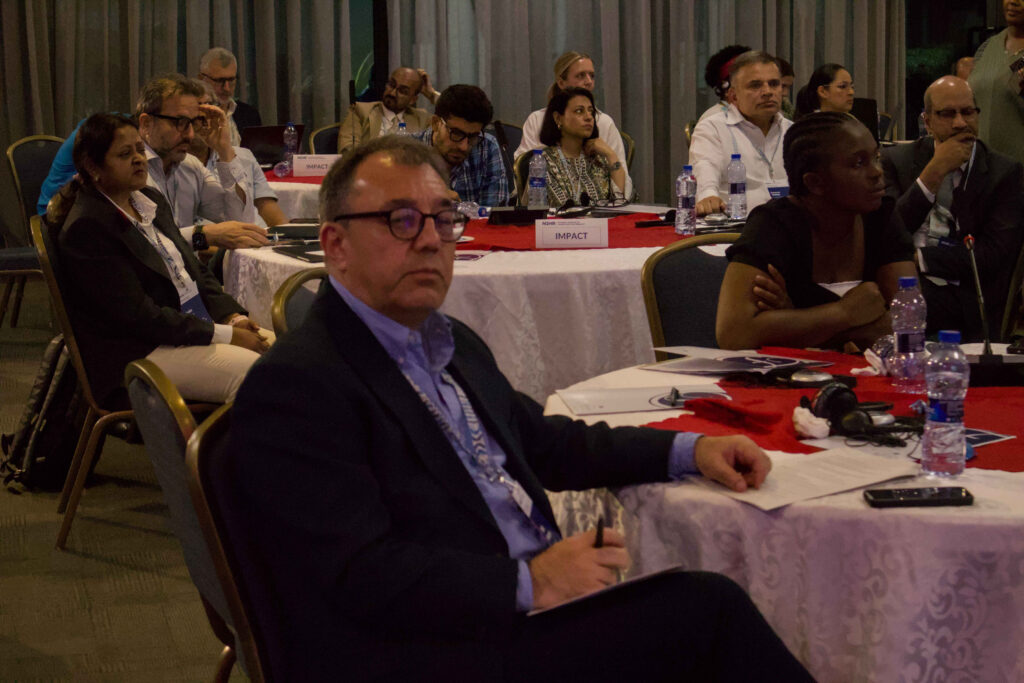
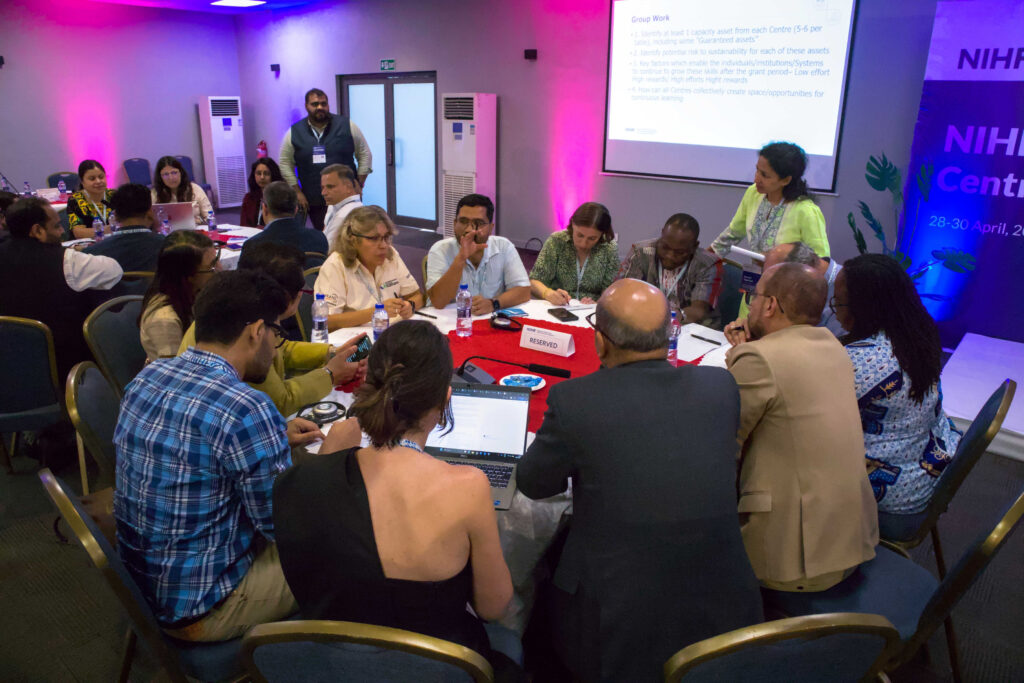
The meeting brought together all five Global Health Research Centres established by NIHR under a five-year programme to share progress, lessons learned and strategies for long-term sustainability.
The opening ceremony was co-chaired by Founder and Vice-Chancellor of Family Health University, Professor Enyonam Yao Kwawukume, and Professor Kara Hanson, Director of the NIHR Global Health Research Programme.
NCDs: A Global Emergency Backed by Stark WHO Data
According to the World Health Organization, NCDs—including cardiovascular diseases, cancers, chronic respiratory conditions and diabetes—account for over 41 million deaths annually, representing 74% of all global deaths.
An estimated 17 million people die prematurely (before age 70) each year, with 86% of these deaths occurring in low- and middle-income countries.
These figures underscore why countries like Ghana are increasingly central to global health strategies.
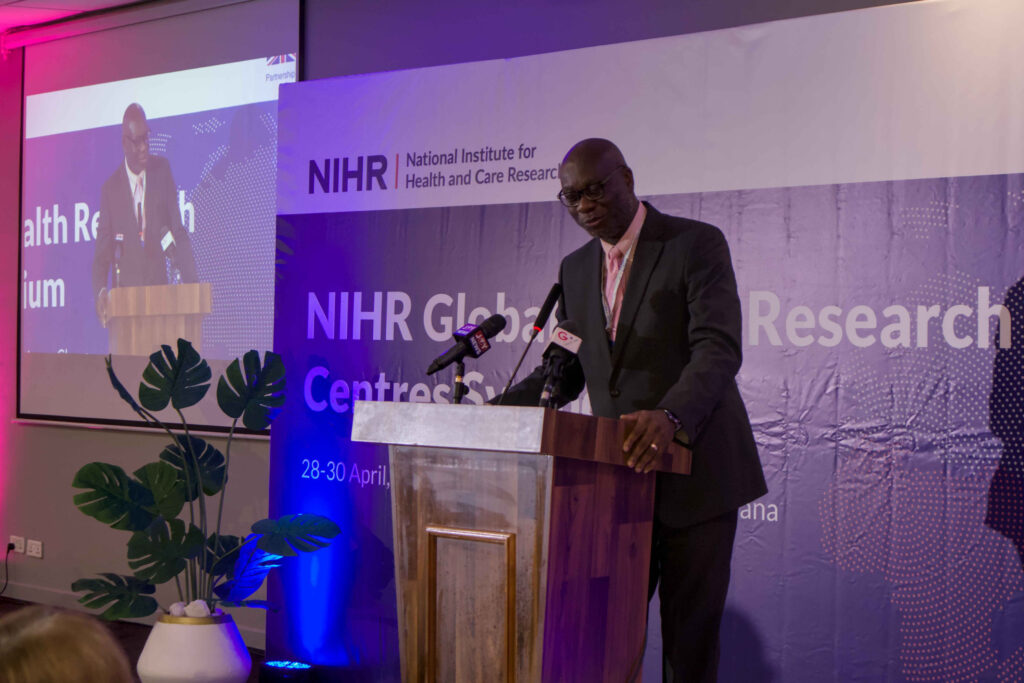
Welcoming delegates, the Rector of GCPS, Professor Richard Adanu, highlighted Ghana’s growing relevance in global health research with characteristic humour.
“About three years ago, we got information from the National Institute for Health and Care Research UK that the West African Consortium led by Prof. Irene Agyepong of the Ghana College of Physicians and Surgeons had been awarded the grant. We were very excited. Then the first global meeting was in Southeast Asia and then the UK last year. I said to myself, these guys are picking the wrong places to go,” he said humorously.
“Then Irene told me they were coming to Ghana. I said, ‘Oh yes, now they’ve picked the right place.’ Without any attempt at offending our celebratory colleagues from Latin America, where people might want to go next year, if they choose to come to Ghana again, just come.”
He further encouraged stronger collaboration among participants.
“Don’t be like me, the introvert. Be like Khalid from Pakistan. Walk up to people. Get to know what they do. Be a bit loud like the Latin American team—make some noise.”
Government Backs Evidence-Led Health Policy
In a keynote address delivered on behalf of the Health Minister Kwabena Mintah Akandoh, Director for Technical Coordination at the Ministry of Health, Dr Hafez Adam Taher, emphasised the central role of research in shaping Ghana’s healthcare policies.
“Research allows us to identify interventions that are not only clinically effective but also sustainable, affordable and dependable to local contexts.”
“Evidence generated within our settings is essential for informed decision-making and impactful policy design.”
He pointed to the alignment between the initiative and Ghana’s Free Primary Healthcare policy, noting that expanded screening and early detection of NCDs remain key priorities.
Dr Taher also highlighted alignment between the STOP-NCD initiative and government priorities, particularly the Free Primary Healthcare policy, which seeks to strengthen access and integrate NCD prevention and care into primary health systems.
He expressed appreciation to NIHR, the UK’s Foreign, Commonwealth & Development Office (FCDO), and other partners for supporting the initiative, expressing optimism that full-scale implementation would significantly strengthen Ghana’s response to NCDs.
‘Silent Killers’ Tighten Grip on Ghana
The Director-General of the Ghana Health Service, Professor Samuel Kaba Akoriyea, painted a troubling picture of the local burden.
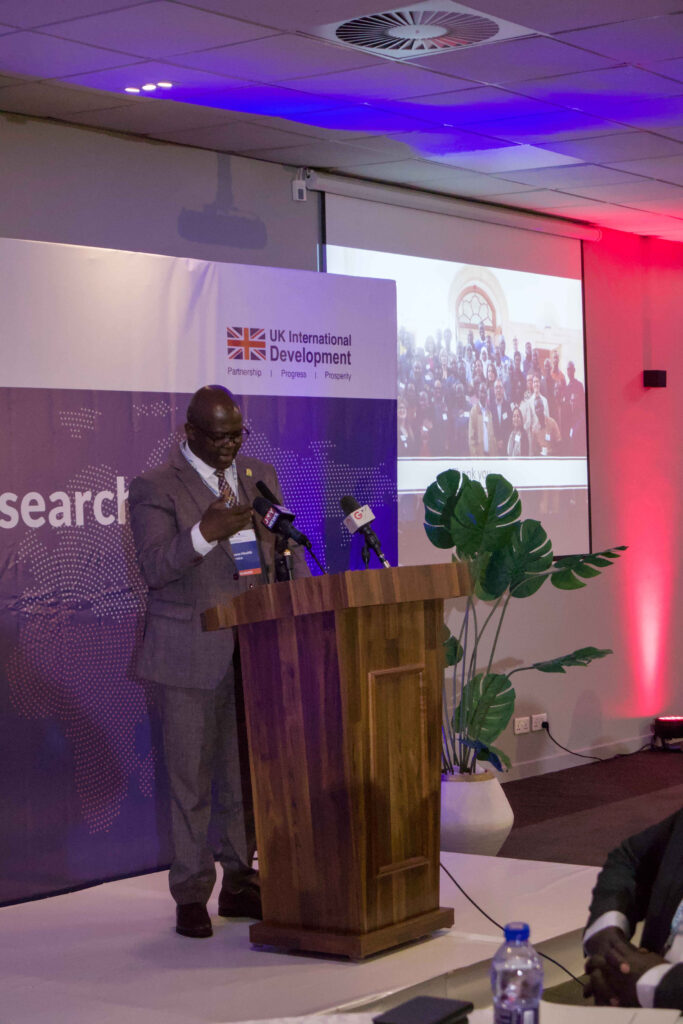
“History has it that countries that invest in research and use the outcome in decision-making are countries in continuous development,” he said.
“Forty-five percent of people above 40 years were diagnosed with NCD. Sixty percent of them did not know their status, and 45 percent were not on medication. This, in part, explains the numerous strokes and the burden on our health system.”
Linking research directly to national progress, he added:
“The Ghana Health Service has been involved in the co-production of the NCD Care Net Intervention,”
“Investing in research is not a luxury—it is a gateway to healthy populations and development.”
From Data to Impact: A Shift in Global Research Priorities
For her part, Professor Kara Hanson challenged participants to move beyond academic outputs toward tangible societal impact.
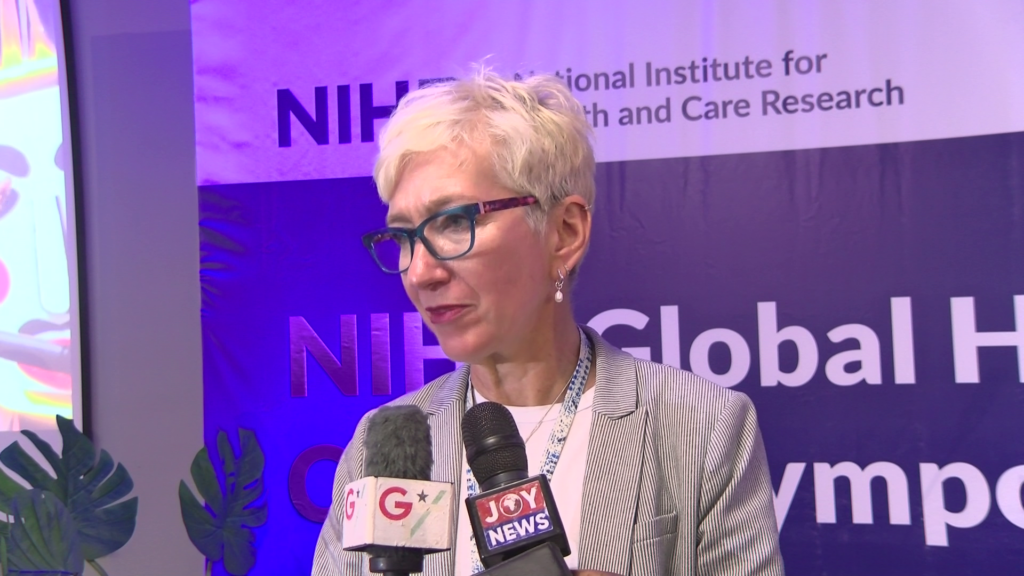
“Our mission should be to demonstrate the value of investing in global health research. What are the impacts? Clearly, on patients and the public by improving health services and outcomes, but also impact on how we engage our communities.”
She pointed to evolving global health strategies and stated:
“I hope your ears are perking up. We have plenty of lessons we can teach other parts of the world.”
She further urged deliberate action leading to impactful outcomes.
“Start planning your pathways to impact. These things don’t happen without effort. I have very high hopes for us,” Prof Hanson noted.
Innovation at the Frontlines of Care
In the West African region, the NIHR Global Health Research Centre for Non-Communicable Disease Control in West Africa (STOP-NCD) has made significant progress with key milestones under the co-leadership of Professor Irene Agyepong.
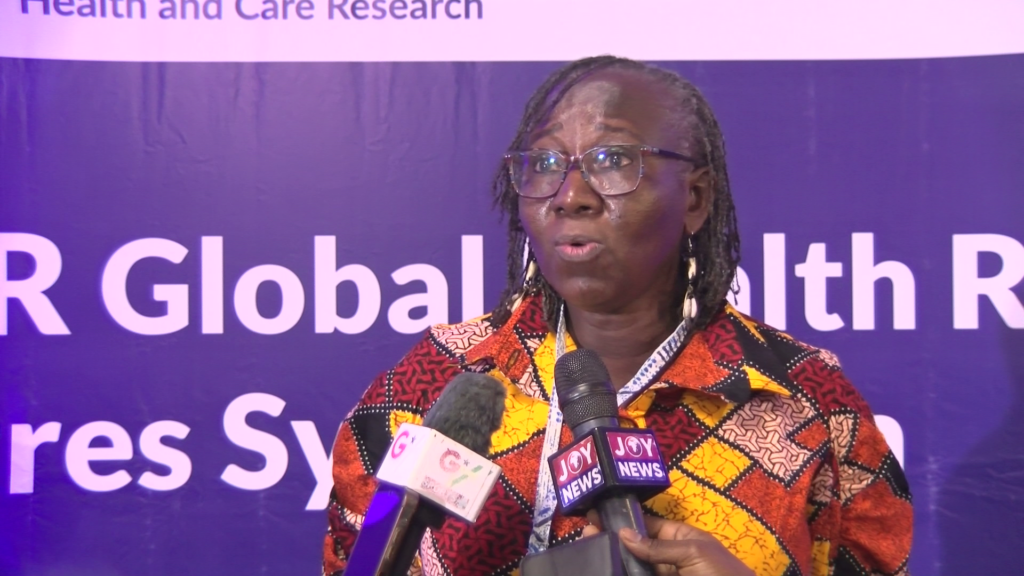
In Ghana, community screening modules for NCD and NCD risk factors have been developed and integrated into an E-tracker. The intervention has been designed to integrate into and strengthen Community Health Planning and Service (CHPS) & National Health Insurance Scheme (NHIS) engagement, which is a critical feature that supports referral following community-level screening and removal of financial barriers for higher-level care.
District and sub-district teams were trained to implement the intervention known as NCD-CareNet on a pilot basis in one sub-district across three districts (Ga South and Shai-Osudoku in Greater Accra and Kwahu Afram plains north in the Eastern region) in August/September 2025.
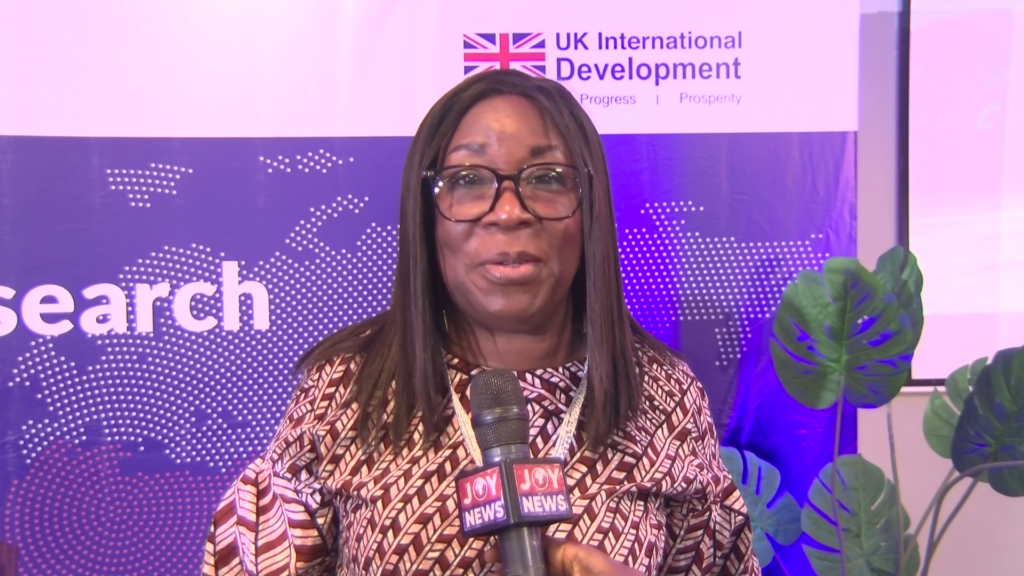
Full-scale implementation of the pilot in the 3 sub-districts started in February 2026. Scale-up of NCD Care-Net to the whole of each of these three districts will start on 1 May 2026.
Other key interventions include the following:
• A WhatsApp-based, Ghana-customised 'Nutribot' developed by the Ashesi University team for personalised nutrition guidance
• Expanded patient registries in Burkina Faso by the Catholic University of West Africa at Bobodiolasou (UCAO-UUB)
• Telemedicine deployment in Niger by Laboratoire d'Etudes et de Recherches sur les Dynamiques Sociales et le Développement Local (LASDEL) to address workforce shortages
These initiatives aim to bridge the gap between research and real-world healthcare delivery.
She noted that the UK’s evolving health strategy—shifting from cure to prevention, analogue to digital systems, and hospital-based to community-based care—aligns closely with the work of NIHR centres.
“I hope your ears are perking up. We have plenty of lessons we can teach other parts of the world,” she said, concluding with a call to action: “Start planning your pathways to impact. These things don’t happen without effort. I have very high hopes for us.”
A Call for Collective Action
Closing the opening session, Professor Enyonam Yao Kwawukume stressed the importance of unity in tackling the NCD crisis.
“For those new to Ghana, buy souvenirs. Buy Ghanaian. We will appreciate that.”
He pointed out that sustainable health solutions require shared ownership, collaboration and long-term commitment.
Stakeholders are expected to outline practical sustainability frameworks for the five global research centres, ensuring that interventions extend beyond pilot phases into lasting public health impact.
There were presentations from the other NIHR centres outlining key interventions in other parts of the world.
Global Endorsements and Stakeholder Reactions
The programme drew strong endorsements from international stakeholders.
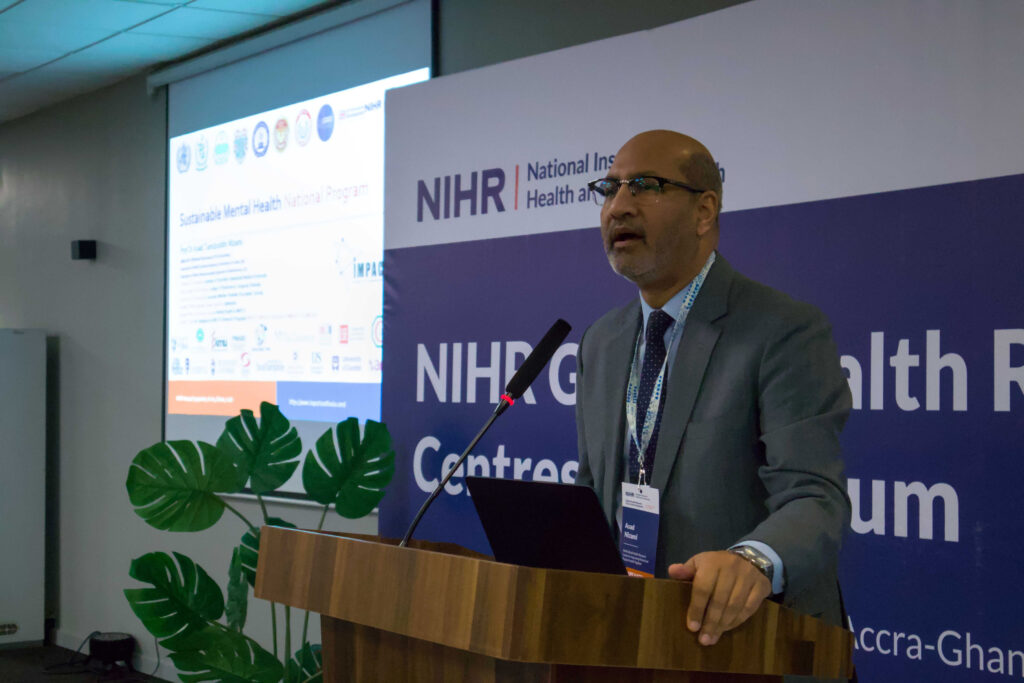
Professor Dr Asad Tamizuddin Nizami, Dean of the Faculty of Psychiatry at Rawalpindi Medical University and affiliated with the NIHR Global Health Research Centre for Improving Mental and Physical Health Together (IMPACT), applauded organisers.
“It's a wonderful experience to be here in Accra, Ghana. I think the NIHR has organised a wonderful symposium.
“Since morning, we have been listening to people; we have been listening to the wonderful projects that people have done, the research that has been done, how it is being implemented, and how it will form into a very good programme. So I wish NIHR good luck."
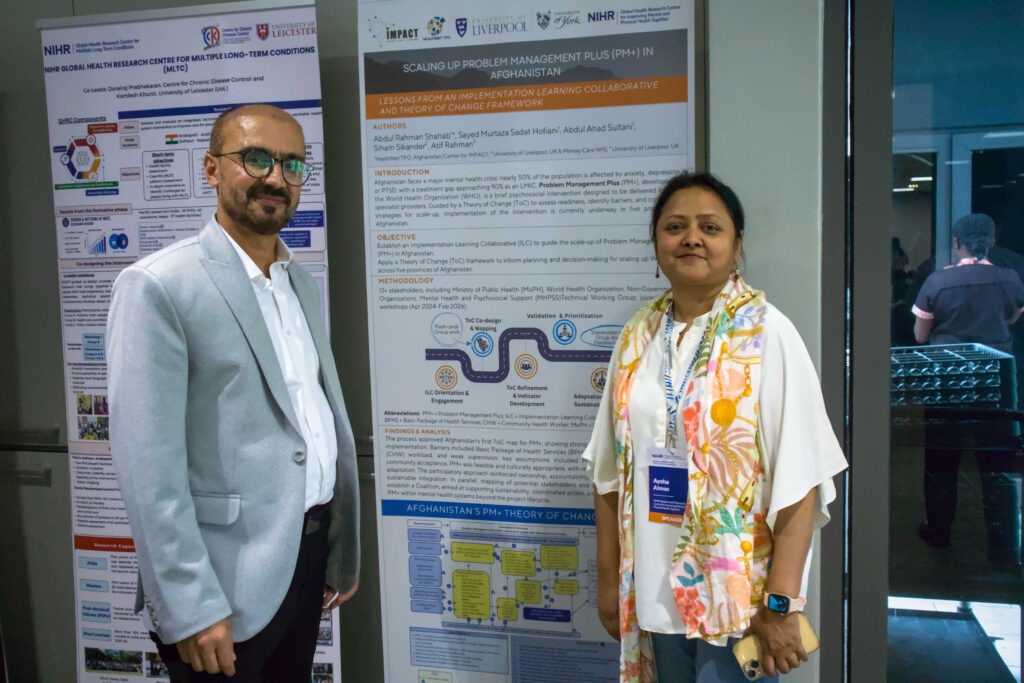
Team Leader for Human Development at the Foreign Commonwealth and Development Office in Ghana, Enyonam Azumah, emphasised the need for deeper collaboration to advance health development programmes aimed at tackling NCDs.
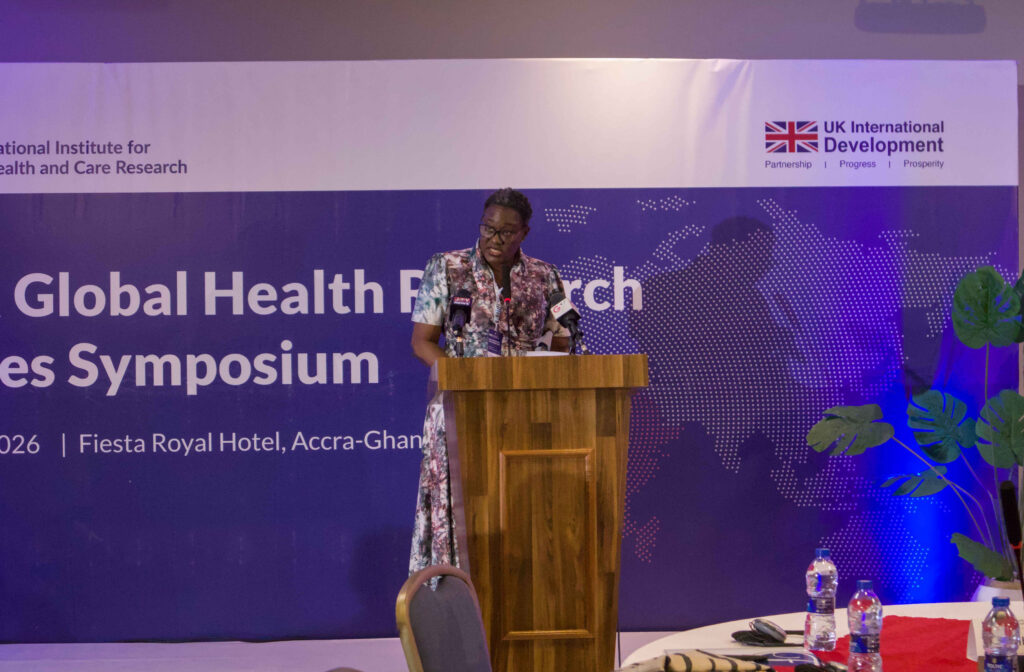
Having observed the project from inception through implementation, Member of the Strategic Advisory Committee Dr Sylvia Anie CSci FRSC FRSM, praised participating teams in a solidarity message:
“This gathering provides an important opportunity to share, streamline and sharpen responses to non-communicable diseases across countries, with solutions that will bring real improvement to the lives of beneficiaries," Dr Anie noted.
Latest Stories
-
Obuasi SHTS scandal: Eduwatch calls for sex offenders’ register and mandatory background checks for teachers
3 minutes -
GloMeF CEO urges intensified public education on new road traffic regulations
14 minutes -
‘Any tax on ChatGPT is an attack on education and innovation’- Akim Swedru, MP
18 minutes -
Obuasi SHTS sexual abuse scandal exposes systemic failure in child protection – Moving Masculinity
18 minutes -
Hubtel CEO calls for national data-sharing framework to boost AI development
21 minutes -
Twelve Golden Rules of real estate development in Ghana, Africa
25 minutes -
Five new telephony cell sites in Ashanti Region to be activated in October 2026 – Sam George
26 minutes -
Mahama cuts sod for Afienya Industrial Park, targets 120 enterprises
31 minutes -
Rush for fuel from accident tankers is stealing, punishable by law – NPA boss, Edudzi Tamakloe
36 minutes -
GhIG pushes for legislation to regulate geoscientists’ activities
42 minutes -
Mfantsipim @150: Ace Anan Ankomah leads project to preserve school’s musical heritage
46 minutes -
Gov’t launches rCOMSDEP in Ahanta West, Mpohor Fiase to promote responsible community mining
48 minutes -
AI is forcing professionals to rethink how they deliver value – Hubtel CEO
51 minutes -
Daily Insight for CEOs: Strengthening the CEO’s Leadership Legacy
52 minutes -
Jimmy Aglah’s ‘When the River Testified’ approved by NaCCA as Supplementary Reader
1 hour