


Audio By Carbonatix
The Ministry of Health has launched a national strategy aimed at reducing maternal deaths by 30 percent within the next two years across 11 referral and teaching hospitals identified as high-burden facilities in Ghana.
The initiative follows alarming health data showing that Ghana recorded 965 institutional maternal deaths in 2025, with nearly half of the cases occurring in the country’s major referral and teaching hospitals.
Speaking at the National Maternal Mortality Reduction Action and Response Programme (MMARP) Stakeholder Consultative Meeting, Deputy Health Minister Professor Dr Grace Ayensu-Danquah described maternal mortality as a national emergency requiring urgent, coordinated and data-driven action.
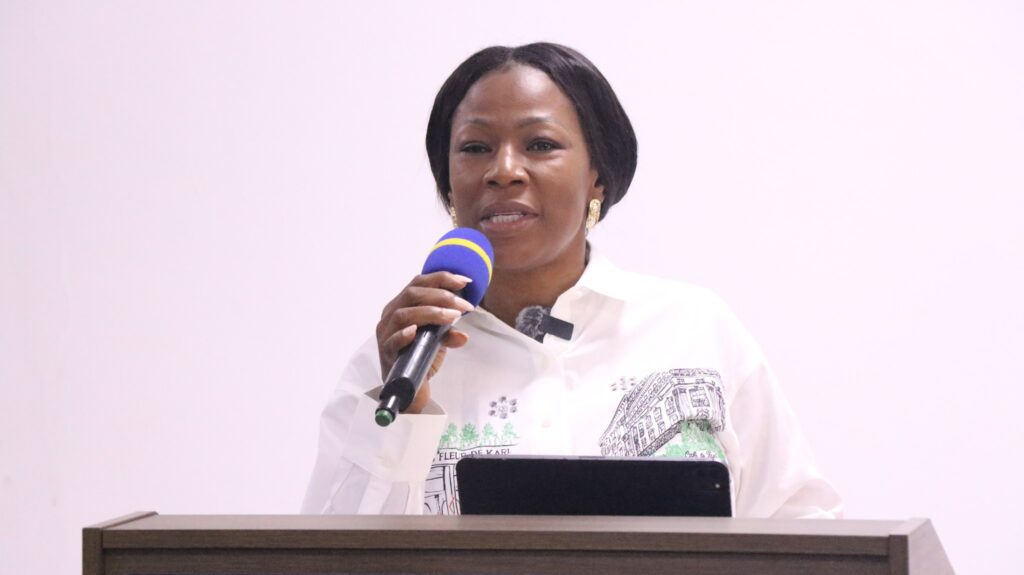
The meeting was held under the theme, “From Data to Action: Accelerating the Reduction of Maternal Mortality in Ghana by 2030.”
According to the Deputy Minister, the new strategy will target the leading causes of maternal deaths, including postpartum haemorrhage, hypertensive disorders, and sepsis.
She said the Ministry will enforce stricter clinical protocols, strengthen emergency response systems, and improve referral networks across the healthcare system to ensure timely intervention for pregnant women facing complications.
Prof. Ayensu-Danquah also disclosed that the government plans to fast-track the approval of the National Patient Referral Policy and its implementation guidelines to improve coordination and efficiency in patient transfers across health facilities.
As part of the intervention, the Ministry will prioritise the retooling of high-burden hospitals with essential medical equipment, blood products, emergency response systems, and other critical healthcare supplies needed to improve maternal healthcare delivery.
She urged stakeholders to move beyond discussions and commit to concrete action, stressing that preventable maternal deaths should no longer persist in the country.
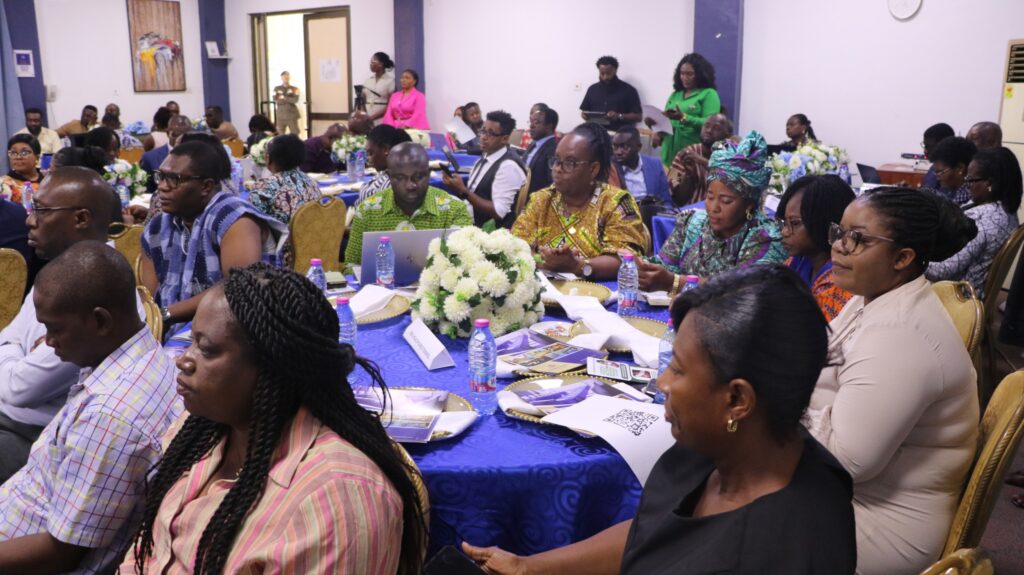
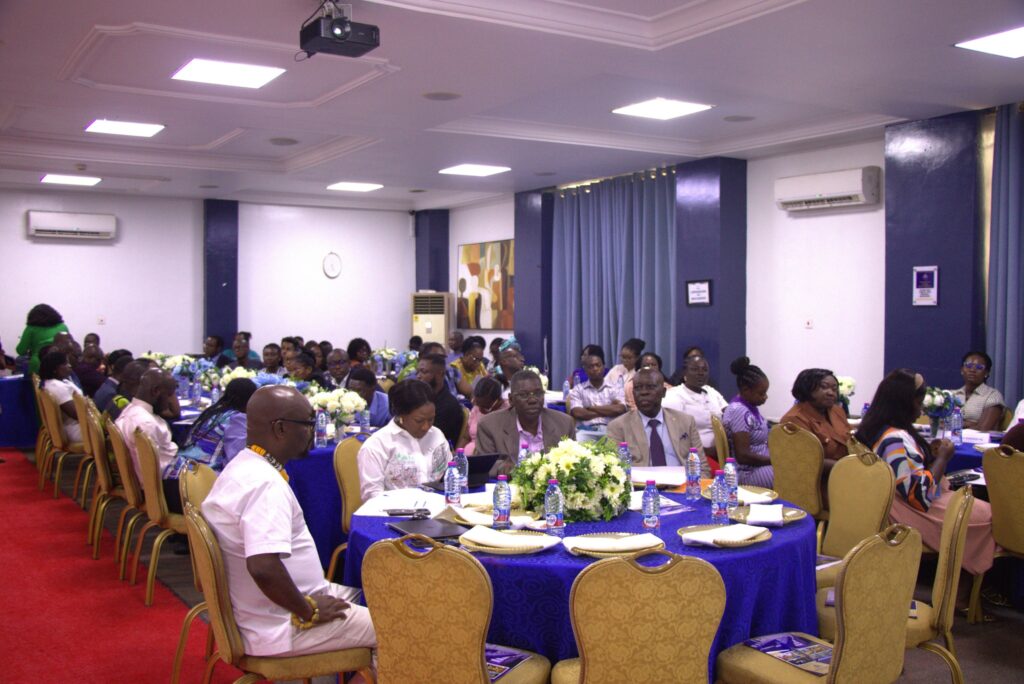
The consultative meeting brought together officials from the Ghana Health Service, Regional Health Directors, development partners, and frontline health workers to deliberate on strategies to reduce maternal mortality and strengthen maternal healthcare nationwide.
Latest Stories
-
Jinapor appeals for calm after nationwide power outage, says Akosombo works will be completed next month
1 minute -
BoG Governor rules out immediate cut in Ghana’s inflation target
8 minutes -
All 23 banks now fully capitalised – BoG Governor
10 minutes -
Supreme Court to rule Friday on challenge to Chief Justice’s legal vacation directives
13 minutes -
Fibre repairs drain millions Ghana needs for digital expansion
14 minutes -
Sunyani–Atronie–Acherensua road project reaches 33% completion
18 minutes -
Know what you bring, know your partner first
18 minutes -
Kumasi businessman and Kessben Group CEO Stephen Kessben dies at 68
20 minutes -
Ghanaian defender David Oduro set to leave Barcelona for Aston Villa
26 minutes -
Parah Foundation commissions GH¢60,000 water project for over 300 families in Adeiso-Domeabra
34 minutes -
IES calls for urgent GRIDCo assessment after third nationwide blackout in three weeks
35 minutes -
Absa Prestige Banking team equips Buzstop Boys to support community clean-up work
39 minutes -
Digital engines of growth: The role and impact of ICT on SMEs in Ghana
43 minutes -
Absa supports €456m financing for Genser Energy’s next phase of growth
43 minutes -
Gold cannot save you at 2 am – GMTF challenges mining firms to invest in healthcare
50 minutes