


Audio By Carbonatix
The Ministry of Health has launched a national strategy aimed at reducing maternal deaths by 30 percent within the next two years across 11 referral and teaching hospitals identified as high-burden facilities in Ghana.
The initiative follows alarming health data showing that Ghana recorded 965 institutional maternal deaths in 2025, with nearly half of the cases occurring in the country’s major referral and teaching hospitals.
Speaking at the National Maternal Mortality Reduction Action and Response Programme (MMARP) Stakeholder Consultative Meeting, Deputy Health Minister Professor Dr Grace Ayensu-Danquah described maternal mortality as a national emergency requiring urgent, coordinated and data-driven action.
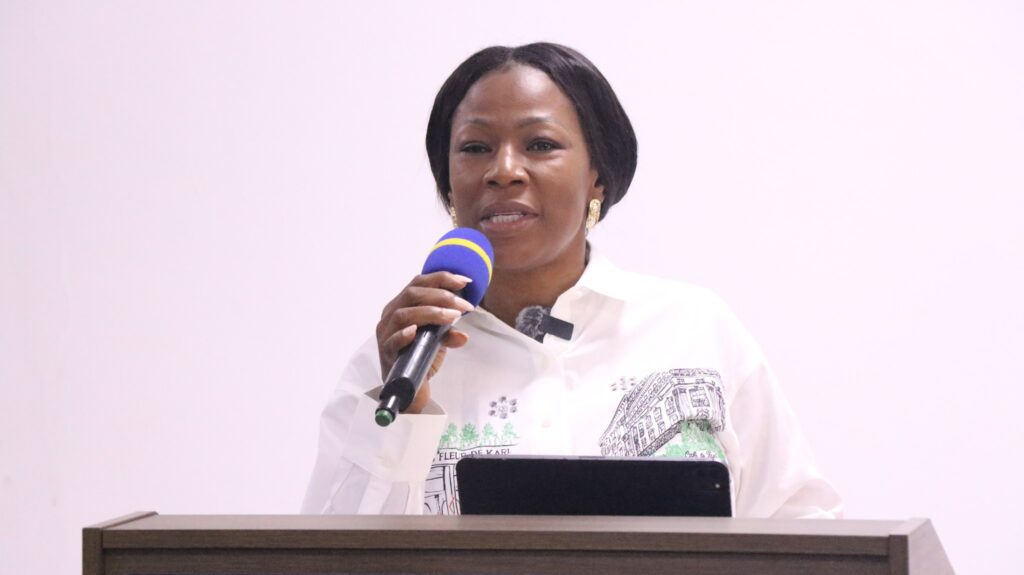
The meeting was held under the theme, “From Data to Action: Accelerating the Reduction of Maternal Mortality in Ghana by 2030.”
According to the Deputy Minister, the new strategy will target the leading causes of maternal deaths, including postpartum haemorrhage, hypertensive disorders, and sepsis.
She said the Ministry will enforce stricter clinical protocols, strengthen emergency response systems, and improve referral networks across the healthcare system to ensure timely intervention for pregnant women facing complications.
Prof. Ayensu-Danquah also disclosed that the government plans to fast-track the approval of the National Patient Referral Policy and its implementation guidelines to improve coordination and efficiency in patient transfers across health facilities.
As part of the intervention, the Ministry will prioritise the retooling of high-burden hospitals with essential medical equipment, blood products, emergency response systems, and other critical healthcare supplies needed to improve maternal healthcare delivery.
She urged stakeholders to move beyond discussions and commit to concrete action, stressing that preventable maternal deaths should no longer persist in the country.
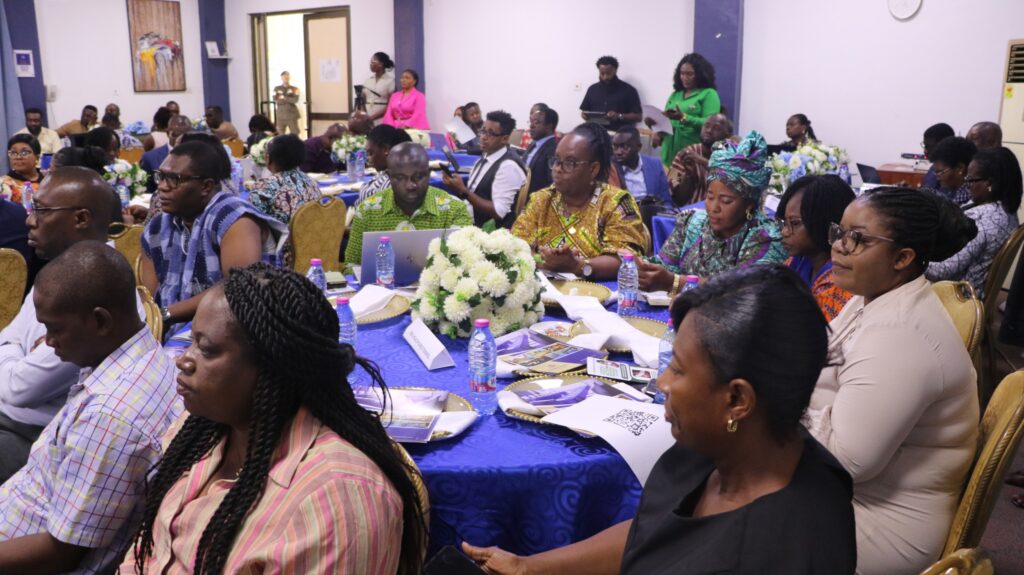
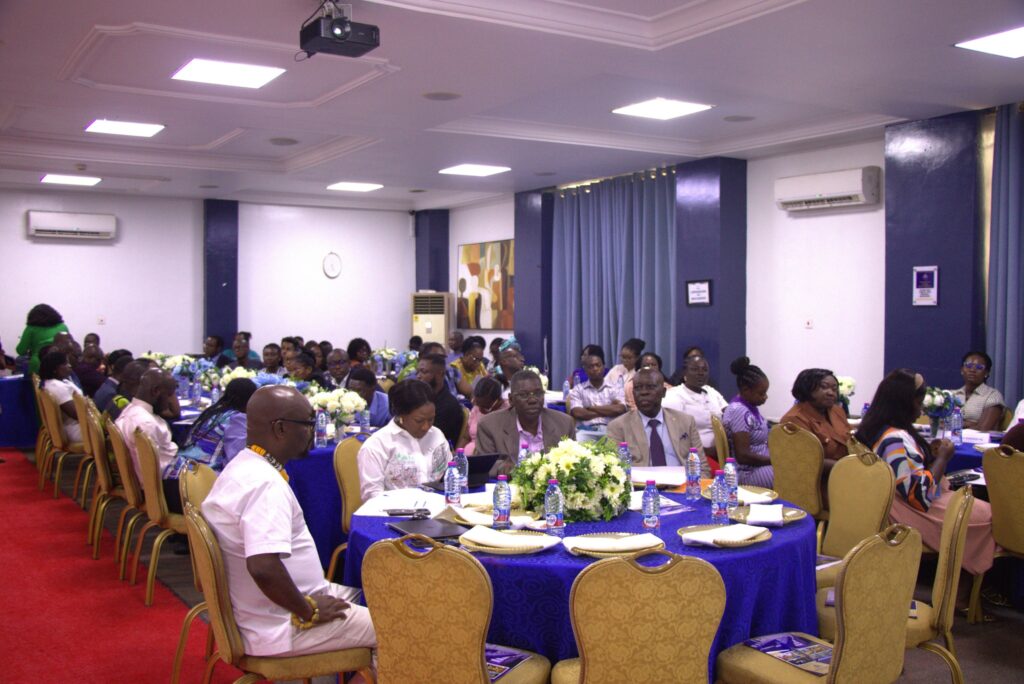
The consultative meeting brought together officials from the Ghana Health Service, Regional Health Directors, development partners, and frontline health workers to deliberate on strategies to reduce maternal mortality and strengthen maternal healthcare nationwide.
Latest Stories
-
Nigeria’s Ben Dancer completes 168-hour dance marathon, awaits Guinness verdict
25 minutes -
I’m now a minister of God – Actress Jumoke Odetola announces
34 minutes -
Banks accounted for 86% total enquiries for credit in 2025
36 minutes -
‘I paused for my mom’ – Kizz Daniel opens up on music break
39 minutes -
Habib Iddrisu rejects argument that court cases bar Parliament from investigating drug scandal
47 minutes -
Over 25m enquiries conducted by financial institutions for credit appraisals, others in 2025
52 minutes -
Venezuelan man shot by ICE in Texas is charged with assault
1 hour -
Eiffel Tower chief to quit after female staff replaced by men during religious visit
1 hour -
South Africa to clean up high-risk areas after 12 women killed
1 hour -
Kpandai case sets the precedent – Habib Iddrisu challenges Speaker’s rejection of drug probe
2 hours -
Habib Iddrisu questions Speaker Bagbin’s rejection of motion after Parliament recall
2 hours -
More than 400 detained as France student protests escalate
2 hours -
China adds 55% tariff to Brazil beef imports
2 hours -
Ballon d’Or Power Rankings: Lamine Yamal leads race for Golden Ball ahead of Rodri and Kane
3 hours -
‘Nothing worked for us’ – Gideon Mensah takes responsibility for Gambia defeat
3 hours