

Audio By Carbonatix
Every year, an estimated 845 women in Ghana develop obstetric fistula, a severe and preventable childbirth injury that leaves the body permanently altered, that ends marriages, ends livelihoods, and ends the life a woman knew before she went into labour.
Fewer than 30 per cent of these women will ever receive the surgical repair that takes less than two hours to perform. Ghana's incidence rate stands at 1.8 cases per 1,000 deliveries. The surgery exists. The surgeons exist. The women are waiting. According to the 2025 Obstetric Fistula Burden Study, an estimated backlog of 7,130 cases from 2015 is still pending. To eliminate Fistula by 2030, we shall need an annual repair rate of 2,249.
Obstetric fistula results from prolonged, obstructed labour that leads to a hole between the birth canal and the bladder or rectum through which urine or faeces leak. Most often, it occurs when a pregnant woman in labour does not reach emergency obstetric care in time. This condition causes continuous leakage of urine or faeces and often leads to chronic infections, infertility, depression, and social isolation. It is entirely preventable and treatable.
The persistence of the occurrence of fistula in Ghana reflects deep inequalities in maternal healthcare, particularly for women in rural and underserved areas, where poverty, child marriage, adolescent pregnancy, and weak referral systems increase risk.
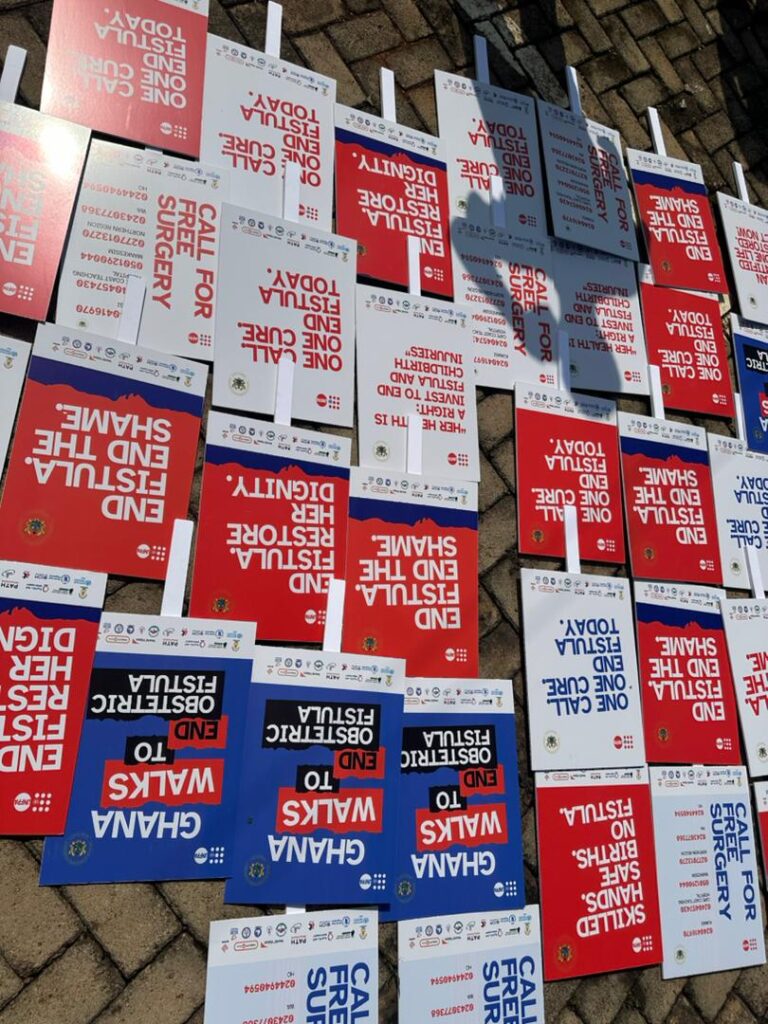
Ghana has made some progress, but not enough. Through the Partnership to End Obstetric Fistula in Ghana (PEFIG), annual repairs increased from approximately 60 cases to over 200 in 2025, a more than threefold rise. Nine health facilities now offer routine repair services. More than 500 women who had previously been unable to access care were identified through aggressive community mobilisation, and USD 800,000 in financial and in-kind contributions was leveraged through PEFIG to fund repairs, survivor reintegration, and the commissioning of Ghana's first dedicated fistula holding home in Yendi District Hospital.
A key milestone was the establishment of that holding home in Yendi, Northern Region, which offers safe accommodation, counselling, and pre- and post-operative support.
These achievements result from collaboration between the Government of Ghana, specifically the Ministry of Health, Ghana Health Service and Ministry of Finance, UNFPA, and partners,s including Qatar Charity Organisation, Fidelity Bank Ghana, Access Bank Ghana, and AT Ghana. Under the 2026 theme, “Her Health Is A Right: Invest to End Fistula and Childbirth Injuries”, UNFPA Ghana and PEFIG are conducting coordinated repairs at five sites.
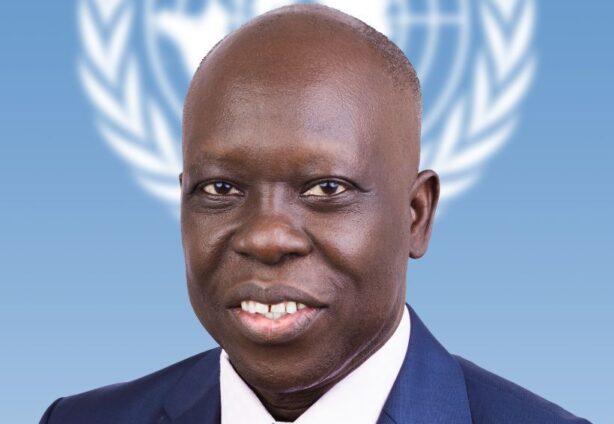
"In 2025, Ghana repaired more than 200 fistula cases. That is triple what we were doing before PEFIG. The gap between what we can do and what we are doing is still measured in hundreds of women. Ghana has the surgeons, the facilities, the partners, and the data. What is required now is the political will to treat this as the national emergency it is," said Dr David Wilfred Ochan, UNFPA Ghana Country Representative.
Progress is real, but the work is far from done. The nine facilities now conducting routine repairs are still insufficient to close the gap because the number of cases repaired at each site is too low. Women in northern Ghana continue to face the heaviest burden and the weakest access to care. The repair rate must go up. That will require sustained investment, expanded surgical capacity, and a health system that consistently reaches every woman at the moment she needs it.
Ending obstetric fistula requires more than surgery. It involves strengthening emergency obstetric care and deploying skilled birth attendants at every delivery. It also means preventing child marriage and adolescent pregnancy, and providing survivors with psychosocial, legal, and economic support so they can fully return to their communities.
Obstetric fistula is both a health issue and a human rights violation. Every woman deserves safe childbirth, dignity, and freedom from preventable suffering.
UNFPA Ghana urges Parliament to promptly pass a resolution to eradicate fistula. Seven new corporate partners are sought for PEFIG in 2026, and a financial mobilisation target of GHC 200,000 has been set to expand access and survivor reintegration. We call on the private sector to join PEFIG, the media to amplify survivors' voices, and all Ghanaian institutions to treat fistula eradication as a shared national responsibility. Faith and Traditional Leaders support the case identification and referral of fistula survivors for repair services. More importantly, be the protectors of the girls and stop child marriage in your areas of jurisdiction. The women waiting for a repair cannot wait any longer.
Latest Stories
-
Ghana music industry needs collective public-private investment – UK High Commissioner
10 minutes -
“We don’t have the mindset of sabotage” – NPP on MMDCE election proposal
26 minutes -
From Kumasi to the world: Mirakilouz Beatz’s rise in music production
28 minutes -
Low pay making it harder for universities to attract PhD holders – UTAG-UG
28 minutes -
Julius Emunah parts ways with Hearts of Oak as Managing Director
39 minutes -
Weija Dam flooding will persist without political will to relocate residents – NADMO
40 minutes -
UMB, 3TREES launch paint outlets across constituencies ahead of Ghana’s 70th anniversary
40 minutes -
CSSPS: Education Ministry orders action against alleged payment demands in Ashanti Region
40 minutes -
SSNIT honours 16 stakeholders at 2025 Awards
50 minutes -
Naa Shika Adu presents Vernacular of Play: An art exhibition inspired by sport, identity and social impact
60 minutes -
Ghana wastes up to 50% of fruits and vegetables annually – Agrofresh
1 hour -
CSSPS deploys more personnel to ease delays at resolution centres
2 hours -
Poor transport and storage systems contribute to post-harvest losses in Ghana – Mathias Yabe
2 hours -
Partisan MMDCE elections could stifle development – NDC
2 hours -
TUC urges Mahama to keep constitutional reform discussions open
2 hours