

Audio By Carbonatix
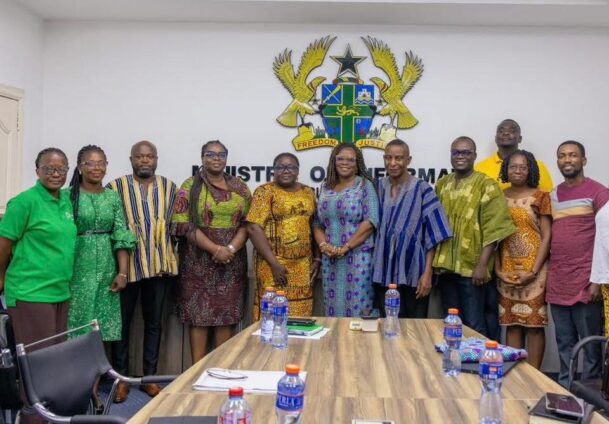
The National Development Planning Commission (NDPC) and the Information Services Department (ISD) have reaffirmed their commitment to closer collaboration to support the preparation and implementation of Ghana’s Consolidated National Development Plan.
The commitment was made during a stakeholder engagement held at the ISD Conference Room in Accra on Friday, May 29, 2026, as part of consultations aimed at ensuring the successful rollout of the country’s long-term development blueprint.
The Consolidated National Development Plan seeks to harmonise existing long-term development frameworks into a single national strategy to guide Ghana’s development and improve coherence in planning, implementation and monitoring.
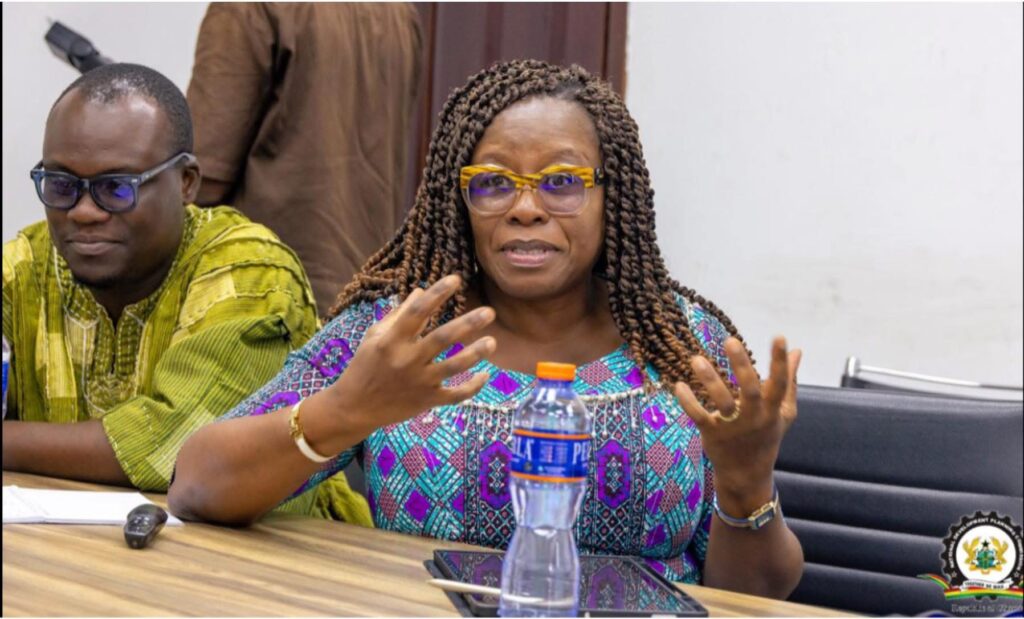
The engagement focused on identifying strategic areas of collaboration between the two institutions, particularly in public communication, citizen engagement and nationwide awareness creation. It also formed part of broader efforts to strengthen the communication and civic foundations required for effective national development planning.
Addressing participants, the Director-General of the NDPC, Dr Audrey Smock Amoah, said the Commission had been tasked by President John Dramani Mahama to prepare a comprehensive development plan capable of guiding Ghana’s long-term transformation.
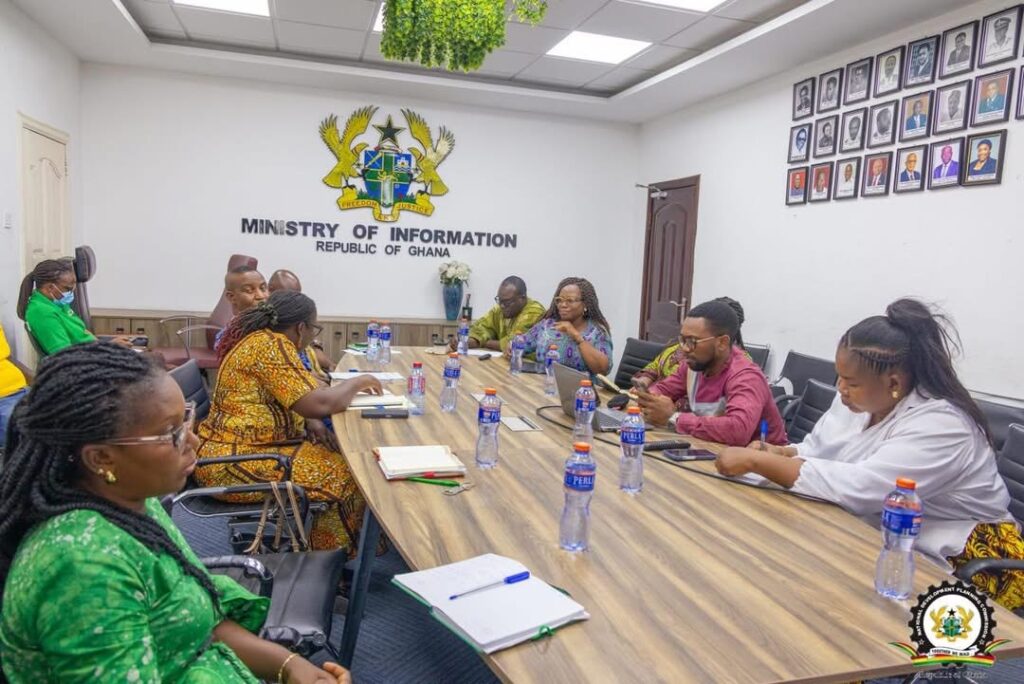
She stressed the importance of complementing policy development with effective communication strategies that connect with citizens and encourage behavioural change.
“As we move forward, one important question we must ask ourselves is how we can also change the way we work and communicate with the people,” she said.
Dr Amoah noted that changing information consumption patterns require public institutions to adopt more innovative communication approaches, including documentaries, jingles, posters and social media content.
She observed that digital platforms offer significant opportunities to deepen public engagement on national development issues, given their growing role in everyday life.
“Almost everyone is constantly on their phones, whether at home, in the office or while travelling. This presents a great opportunity for us to communicate effectively through these channels and ensure that the right information reaches the public in a timely and engaging manner,” she stated.
Despite the increasing importance of digital communication, Dr Amoah emphasised that traditional outreach methods remain critical, particularly in rural communities. She proposed the use of ISD’s cinema vans and community engagement platforms to broaden participation in the national development agenda.
She also called for stronger institutional coordination through the establishment of a joint technical working group and the development of a Memorandum of Understanding to guide collaboration.
“Since we are planning together, we must also work together, implement together and ultimately account for the results together over time,” she said.
The NDPC Director-General further highlighted the Commission’s complementary national agenda, dubbed “New Values, New Society”, which seeks to promote a shared value system as the moral and civic foundation for national development.
For her part, the Director of the Information Services Department, Dr Nafisah Mahama, welcomed the initiative and described behavioural change as an essential component of Ghana’s development aspirations.
She argued that sustainable national transformation depends not only on policies and institutions but also on cultivating patriotism, responsibility, discipline and civic commitment among citizens.
“One major area that stands out clearly from your presentation is the need for a comprehensive behavioural change campaign aimed at building a more patriotic, responsible and disciplined citizenry,” Dr Mahama said.
She added that behavioural change requires sustained effort, coordination and long-term commitment.
Dr Mahama highlighted ISD’s nationwide communication network, including its newly introduced LED cinema vans and regional and district offices, as important resources for supporting public education campaigns.
“Through our media division, we can produce jingles, documentaries and educational content in various local languages to ensure wider accessibility and impact,” she said.
She noted that the proposed joint working group would help define timelines, responsibilities and implementation strategies to ensure effective coordination between the institutions.
The collaboration forms part of broader efforts by the NDPC to ensure that Ghana’s Consolidated National Development Plan is anchored not only on economic and structural reforms but also on the values, attitudes and civic responsibility needed to sustain national transformation.
Latest Stories
-
Ray Michael Djan Jr puts Ghanaian creativity on global stage with Chelsea anthem
7 minutes -
Matilda Dibloni Kokar elected USAG president after two-year dormancy
9 minutes -
NPP delegates wanted youthful energy with Kojo Bamba’s election – Political scientist
13 minutes -
Zenith Bank supports Childhood Cancer Unit at Greater Accra Regional Hospital
13 minutes -
KMA empowers 64 persons with disabilities; Mayor unveils plan for sustainable skills centre
15 minutes -
DJs Union urges musicians to prioritise respect, communication amid industry tensions
22 minutes -
“Ghanaian DJs deserve their flowers” – Lasmid
23 minutes -
Zenith Bank supports childhood cancer unit at Greater Accra Regional Hospital
24 minutes -
‘Who’s in charge doesn’t really matter; we’re all servants’ – John Boadu on leader of NPP
28 minutes -
Christa Pike’s prognosis still unclear after failed execution, lawyer says
44 minutes -
SLTF to advance fees for first-year students facing admission payment deadlines
46 minutes -
Ghana Institute of Architects calls for action to make adequate housing a human right
46 minutes -
BoG, Police arrest seven over alleged misuse of Ghana Cedi as bouquets
47 minutes -
NCPTAs appeal to striking teachers to return to classroom
47 minutes -
Government plans engineered landfills and waste transfer stations nationwide – Ayariga
49 minutes