

Audio By Carbonatix
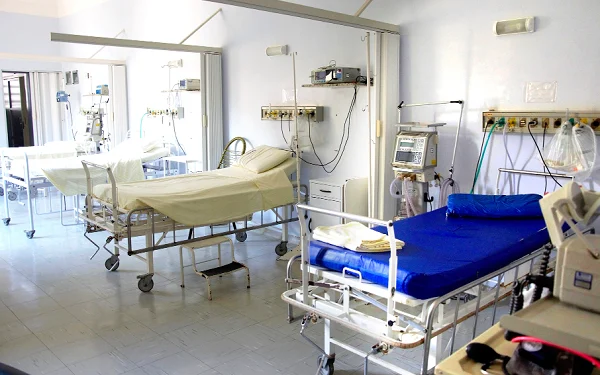
Fresh data released by the United Kingdom's National Health Service (NHS) has revealed the extent of pressure on hospitals across England, with almost 3,000 patients each day being treated in corridors and other improvised spaces because of a severe shortage of hospital beds.
The figures, highlighted in a BBC report, show that during May 2026, an average of 2,241 patients per day received treatment in accident and emergency (A&E) department corridors, while a further 669 patients were cared for in makeshift locations elsewhere in hospitals, including converted rooms and temporary treatment spaces.
The statistics have intensified concerns about overcrowding in Britain's public health system and renewed debate about the impact of bed shortages on patient safety, privacy and quality healthcare delivery.
The publication of the data is significant because it provides one of the clearest pictures yet of a practice that health professionals have increasingly described as unsustainable.
Under NHS guidelines, "corridor care" occurs when patients wait for more than 45 minutes for an appropriate treatment area or hospital bed. In emergency departments, this can involve treatment in hallways, side rooms and temporary spaces that lack the equipment and privacy expected in conventional clinical settings. On hospital wards, it refers to patients left waiting for beds for prolonged periods after clinical decisions have been made regarding their admission.
The figures indicate that the problem is concentrated in a relatively small number of hospitals. NHS analysis found that just 20 hospital trusts accounted for more than half of all corridor care cases recorded in emergency departments, while another 20 trusts were responsible for more than two-thirds of similar cases elsewhere in hospitals.
Lessons for Ghana
The developments in England are likely to resonate with many Ghanaians familiar with recurring episodes of the country's "no bed syndrome", particularly at major referral and teaching hospitals.
Over the years, hospitals such as the Korle Bu Teaching Hospital, the Komfo Anokye Teaching Hospital and several regional facilities have periodically struggled with overcrowding, forcing health workers to improvise in order to accommodate patients requiring urgent care.
At the height of some of these crises, health authorities urged facilities to make use of available spaces, including chairs, corridors and temporary holding areas, rather than turn patients away completely.
While such measures were intended to ensure access to treatment, healthcare advocates have consistently warned that caring for patients outside designated wards raises concerns about privacy, infection prevention, monitoring and overall quality of care.
Health policy experts say the latest NHS figures demonstrate that even advanced healthcare systems can face serious operational difficulties when infrastructure expansion fails to keep pace with rising patient demand.
They argue that increasing hospital bed capacity, improving emergency care systems, strengthening community healthcare and expanding staffing levels remain critical to preventing overcrowding and preserving patient dignity.
Mounting pressure
The NHS has attributed much of the pressure on hospitals to growing demand for emergency care, an ageing population, delays in discharging patients and broader capacity constraints within the health system.
The publication of the corridor care data is expected to intensify calls for additional investment and reforms aimed at reducing overcrowding.
For many healthcare professionals, however, the issue extends beyond statistics and policy discussions.
They insist that every patient deserves treatment in a safe, dignified and properly equipped environment — a standard that becomes increasingly difficult to maintain when hospitals are forced to rely on corridors and makeshift spaces as substitutes for hospital beds.
As governments around the world grapple with rising healthcare demands and finite resources, the NHS experience serves as a reminder that bed shortages remain one of the most persistent challenges confronting modern healthcare systems.
Latest Stories
-
Daily Insight for CEOs: Preparing for 2027 Board and Executive Conversations
11 minutes -
World Cup Visa Scandal: There is no ‘justification’ to dismiss me – Kofi Adams
22 minutes -
2028 Olympic Games qualification ‘really tough’ – Black Queens coach Björkegren
48 minutes -
GRFU, GOC Women’s Commission hold breast cancer awareness, expresses gratitude to Sunda International Ghana
51 minutes -
COCOBOD raises GH¢3.4bn as Cocoa Capital PLC lists inaugural commercial paper on GFIM
1 hour -
No Party Card, just a Party Microphone! A Ghanaian story of Elections, Referees and Convenient Amnesia
1 hour -
Minority welcomes suspension of teachers’ strike, demands timely payment of promotion arrears
1 hour -
Customary ownership accounts for 80% of land; it complicates land administration – Lands Commission
1 hour -
NRSA to auction vehicles of non-subscribers who fail to pay towing charges within 21 days
1 hour -
WAFU B U17: Black Starlets target AFCON slot after booking semi-final place
2 hours -
Ghana faces $6.1bn debt-service burden from 2027 to 2029 due to Akufo-Addo’s DDEP – Haruna Iddrisu
2 hours -
GoldBod targets 150 hectares of forest reclamation in 2027
2 hours -
Despite substantial accommodation capacity, room demand still weakens – GSS report
2 hours -
No amount of foreign exchange is worth a lost forest – GoldBod
2 hours -
Chelsea’s defensive crisis: Alonso’s system, missing pieces, or individual errors?
2 hours