

Audio By Carbonatix
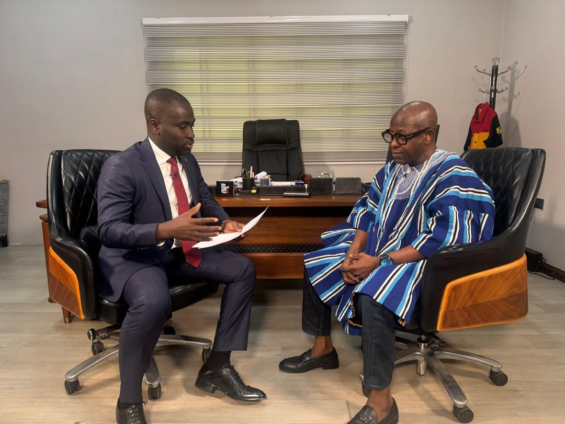
The CEO of the National Food Buffer Stock Company (NAFCO), George Abradu-Otoo, says government’s decision to commit ¢300 million towards building a national grain reserve marks the beginning of a new era for food security in Ghana.
Speaking on JoyNews’ PM Express Business Edition on Thursday, he described the intervention as unprecedented and a major policy shift, even though the amount falls far short of what is required to make a significant impact.
“Last year, Minister of Finance Dr Ato Forson announced that they were giving us further ¢200 million to continue the good work that we were doing, so in other words, so far we had only ¢300 million,” he said.
Mr Abradu-Otoo explained that the resources available to the Buffer Stock Company remain inadequate for large-scale grain purchases aimed at stabilising prices and protecting farmers from post-harvest losses.
“If we need to do proper meaningful mopping up of excess grains, we need no less than ¢1.5 billion, so you can imagine what ¢300 million has done,” he noted.
Despite the funding gap, he insisted the allocation should be viewed as an important first step.
“But it’s a good beginning because it hasn’t been done before. That’s where I draw my comfort from,” he said.
According to him, the significance of the initiative lies not only in the money committed but in government’s recognition of the need for a strategic national food reserve.
“It’s a good beginning for the government to even think in the first place that we need to have a national food reserve,” he stressed.
Mr Abradu-Otoo revealed that Ghana has long been an outlier within the West African sub-region for lacking a formal food reserve system.
“Because if you take the West African sub-region, Ghana is the only country that did not have a food reserve, can you believe that?” he said.
He added that even countries facing security and economic challenges have maintained grain reserves to cushion their populations against supply disruptions and food shortages.
“Interesting, we can also have Mali, etc, have a national food reserve,” he observed.
The Buffer Stock CEO believes that establishing a grain reserve will strengthen Ghana’s ability to respond to food production shocks, support farmers by purchasing surplus harvests, and improve national food security over the long term.
For him, the challenge now is to build on the initial investment and mobilise the additional resources needed to expand grain purchases to meaningful levels.
Latest Stories
-
Ofori-Sarpong named Alumni President of the Year, honoured for PRESEC dormitory project
22 minutes -
Germany commits $132m to Ghana for skills development and training university – Pelpuo
23 minutes -
‘Influence should go beyond visibility’ – Taadi Banyinba GH launches The TB Impact
28 minutes -
Videos: Government announces emergency LEAP package for Hohoe flood victims
32 minutes -
Salomey Baffoe’s children are crying for their mother – Family appeals for her release
34 minutes -
Shortage of trained investigators and prosecutors hampers Ghana’s fight against money laundering – Report
34 minutes -
GoldBod generates US$1.87bn in September FX operations, exceeding monthly target
35 minutes -
Roads Minister says it is time to change one-year defect liability period for contractors, consultants
35 minutes -
Nana Asamoah takes Highlife across five West African languages
42 minutes -
UNICEF Ghana launches first Children’s Film Festival to amplify children’s voices
47 minutes -
Ghana must close gaps that allow drug trafficking – Dr Pelpuo
55 minutes -
Emmanuel Osei: President Mahama, dissolve GFA and save our soul
1 hour -
Uganda Airlines to launch direct Accra-Entebbe flights from October 27
1 hour -
Ghana records surge in 2025 tourism receipts as Ahafo Region honors top industry players
1 hour -
I don’t have an official car, I use my own – Pelpuo
1 hour