

Audio By Carbonatix
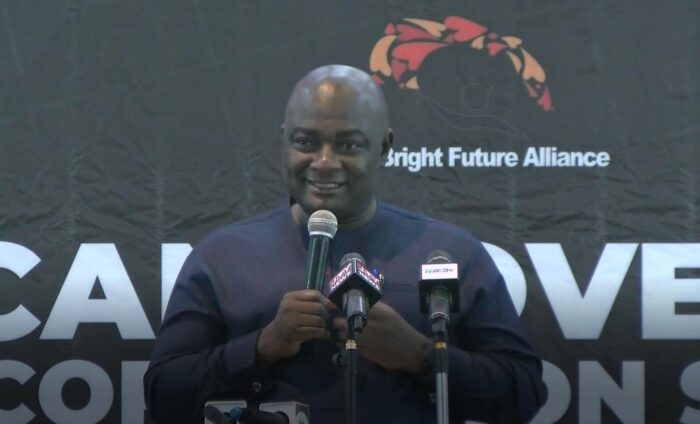
Vice Chairman of Parliament’s Public Accounts Committee (PAC), Davis Ansah Opoku, has raised concerns about what he describes as weak enforcement of corruption-related recommendations made by Parliament, revealing that none of the committee’s referrals to the Attorney General over the past six years has resulted in prosecution.
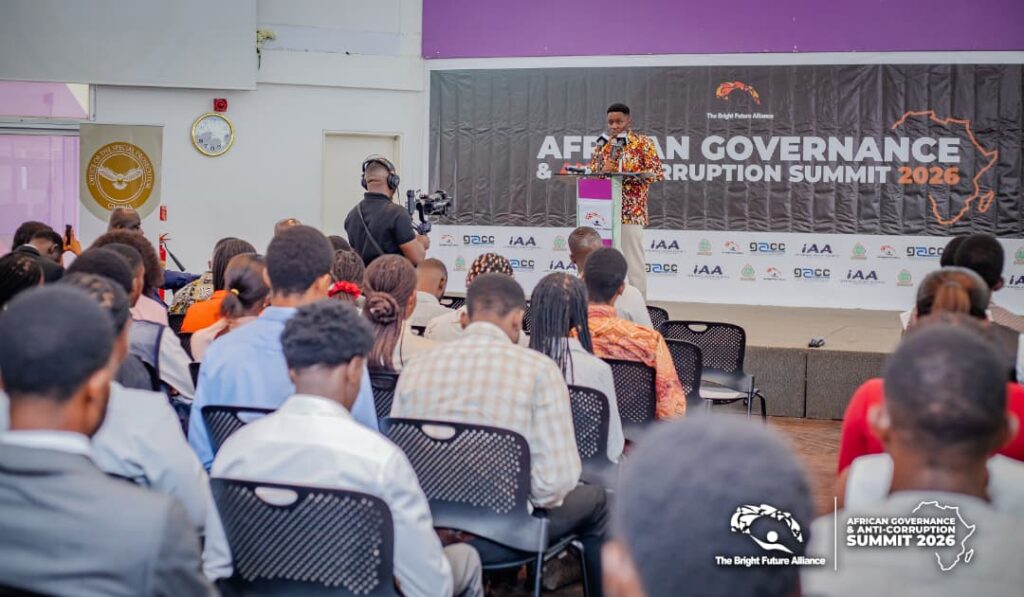
Speaking at the 2026 African Governance and Anti-Corruption Summit in Accra, Mr Opoku said the lack of follow-through on findings from parliamentary oversight work is undermining accountability in the management of public funds.
“I've been on this committee for about six years. We've made a lot of recommendations to the Attorney General's Department. None has been prosecuted,” he said.
He argued that while the Public Accounts Committee continues to expose financial irregularities through its hearings, enforcement agencies have not acted decisively on the cases identified.
Mr Opoku suggested that corruption-related reports and referrals could be better handled if channelled through the Office of the Special Prosecutor (OSP), noting that the institution has shown readiness to pursue such cases.
“And we have an OSP that is ready and is always inviting work to be done. The OSP wants to work. And I think that it's about time we rechannel all these reports,” he said.
He further cited figures from Auditor-General reports, stating that only GH¢12.7 billion has been recovered out of an estimated GH¢39 billion in disallowed expenditures and recoverable funds identified between 2020 and 2023.
“That is just about a third of the money that ought to have been recovered,” he noted, warning that weak enforcement risks normalising financial infractions within the public sector.
Mr Opoku stressed the need for coordinated action among state institutions, civil society organisations, and citizens to strengthen Ghana’s anti-corruption framework.
At the same summit, Executive Director of the Bright Future Alliance, Bright Ofori, also called for intensified efforts to combat corruption, warning that Ghana cannot continue to lose billions of cedis while depending on external financial assistance.
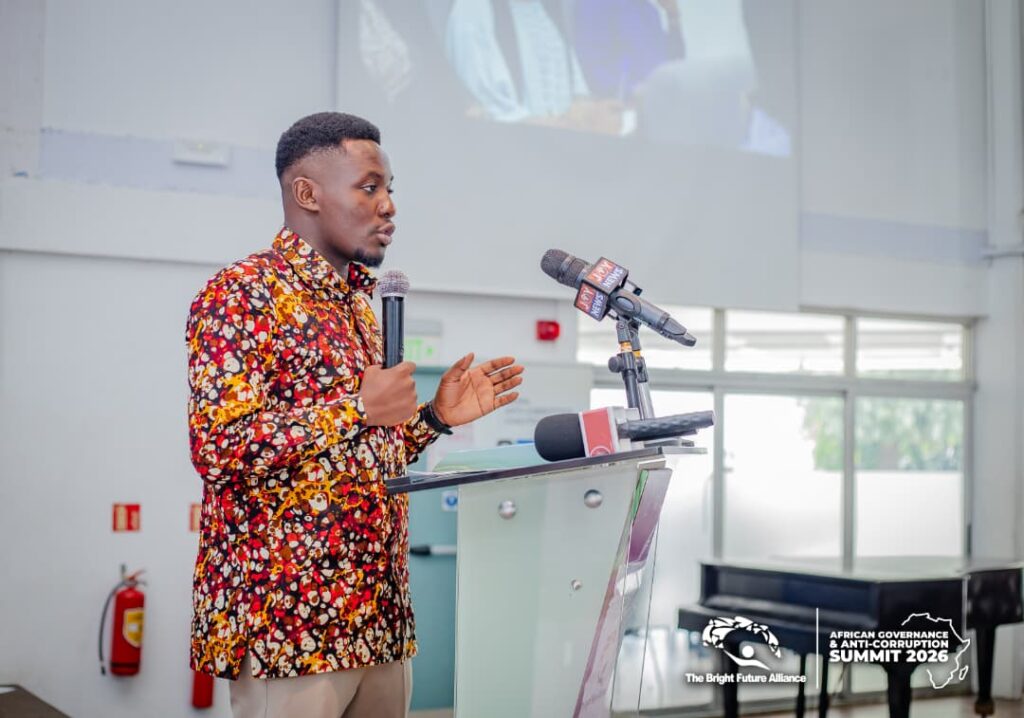
“We are going to the IMF for $3 billion, and we are losing $10 billion. Then it means we have a lot of work to do,” he said.
Mr Ofori urged young people to take a more active role in demanding accountability through civic engagement, adding that corruption should at least be reduced to the barest minimum, even if it cannot be fully eliminated.
The remarks come amid ongoing public debate over the effectiveness of Ghana’s anti-corruption institutions, particularly in ensuring that audit findings and parliamentary recommendations translate into prosecution and recovery of public funds.
Latest Stories
-
WAFU B U17: Ghana top Group A after win over Togo
25 minutes -
Ho Central Mosque reopens amid unresolved leadership dispute that led to closure
2 hours -
Minority caucus questions GH¢16.4m in Ablakwa’s SA evacuation spending, demands independent audit
2 hours -
Gender Ministry meets Nana Akua Addo’s husband over domestic violence after hospital discharge
3 hours -
UG Vice-Chancellor urges swift operationalisation of National Research Fund
3 hours -
Pope Leo to have surgery after lump found in lung
3 hours -
Joseph Cudjoe writes: Ghana must break free from the dangerous mindset that natural resources are the foundation for wealth
4 hours -
Children among 109 dead after boat capsizes off Djibouti, UN says
4 hours -
OmniBSIC Bank’s 11th health walk promotes fitness and business growth
4 hours -
2026 World Maritime Day: Danish Embassy organises “The Gulf of Guinea Speaks”
4 hours -
New Economy will tackle unemployment and restore hope – Ato Forson
4 hours -
IMMILAC president recounts personal losses as security women lead breast cancer awareness campaign in Wa
4 hours -
University of Ghana postpones October 12 reopening as GAUA strike persists
5 hours -
Bahass Foundation launches vocational skills training to support mental health recovery in Wa
5 hours -
NPP orders parliamentary aspirants and their supporters to suspend campaign activities
6 hours