

Audio By Carbonatix
Once again, lives, livelihoods, educational activities, and the hopes of vulnerable communities have been disrupted by a challenge that has persisted for far too long.
This disaster can no longer be described as an unforeseen natural occurrence. It reflects years of poor planning, weak enforcement of sanitation laws, corruption, irresponsible waste management practices, and failures in leadership across successive governments.
What makes this reality even more troubling is the scale of public investment that has gone into addressing flooding and sanitation challenges over the years. Between 2011 and 2016, an estimated GH¢88 million was spent on flood control interventions. Between 2017 and 2021, approximately GH¢450 million was invested under the National Flood Control and Priority Drainage Programme through the Ministry of Works and Housing.
In 2020, an entire ministry was established to oversee sanitation and environmental management. Across several years, an estimated amount exceeding GH¢5.8 billion was committed toward sanitation and related interventions.
Yet despite these investments and additional external support, Ghana continues to grapple with one of its most persistent national challenges, flooding.
This raises legitimate questions about implementation, accountability, value for money, and the actual effectiveness of interventions undertaken over the years.
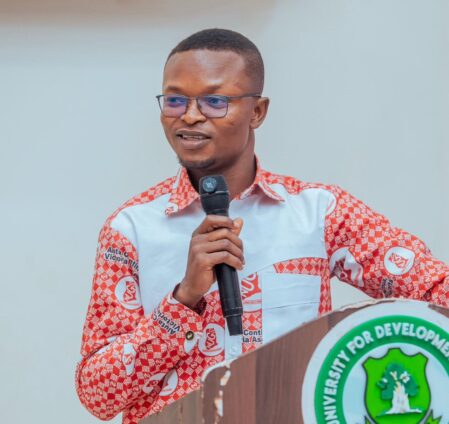
As someone privileged to lead Ghanaian students, I remain particularly concerned about the devastating impact these disasters continue to have on children and young people. They remain among the most vulnerable whenever floods occur, losing access to education, suffering displacement, facing health risks, and in tragic cases, losing their lives.
Government must take urgent and decisive action to permanently address this perennial crisis. Difficult but necessary decisions must be made. Leadership must be prepared to make sacrifices in the national interest. Protecting lives and securing the future of our country must take precedence over short-term considerations.
I also believe this situation persists partly because corruption, inefficiency, and weak accountability mechanisms have undermined interventions across successive administrations. Year after year, citizens contribute public resources through sanitation-related levies, campaigns, and programmes introduced in the name of solving these challenges, while public confidence continues to weaken due to limited visible outcomes.
Public office holders and institutions responsible for managing these resources owe citizens transparency. Ghanaians deserve to know what was spent, what projects were completed, what outcomes were achieved, and why communities continue to experience the very problems these interventions were intended to resolve.
At the same time, government alone cannot shoulder responsibility. The irresponsibility of some citizens in waste disposal practices continues to worsen the situation. The careless disposal of refuse into drains, waterways, roadsides, and public spaces contributes significantly to blocked drainage systems and avoidable flooding.
I also express concern over the conduct of some traditional and local leaders, including chiefs, who in certain instances have prioritised immediate interests over long-term community welfare. Where authority has been used to facilitate, tolerate, or remain silent on developments that undermine environmental protection and proper land-use planning, such actions deserve critical reflection.
Those entrusted with stewardship over communities must act with responsibility, accountability, and a sense of legacy rather than short-term gratification.
Successive governments must recognise that allowing this preventable crisis to persist is a failure that disproportionately affects young people and future generations. As young citizens, we will continue to demand accountability and remind leaders of their obligations until bold, measurable, and lasting action is taken.
The time for temporary responses has passed. We deserve long-term solutions.
Latest Stories
-
AMA orders Accra businesses to close for September sanitation exercise
23 seconds -
Chief Justice’s comment on state institutions ‘extremely unfortunate’ – Baffour Awuah
6 minutes -
Justice moves fast for opponents, slow for allies – NPP accuses CJ
7 minutes -
Awudi wins Emerging Act of the Year at Ghana Music Awards USA
11 minutes -
Call A-Plus to order – Effutu Traditional Council tells gov’t after deadly New Winneba clash
12 minutes -
NPP accuses Chief Justice of neglecting dilapidated courts
16 minutes -
Matilda Domfegro crowned Miss Tourism Ghana 2026
21 minutes -
Check out the offerings of vendors for Joy FM’s Back-to-School Discount Fair
28 minutes -
‘Resign and join NDC’ – NPP tells Chief Justice over alleged political commentary
33 minutes -
Minority caucus demands immediate recruitment of qualified graduates with disabilities
43 minutes -
Underage riders driving motorcycle crashes, union claims
45 minutes -
About 14,800 candidates with aggregates 6–12 apply for 1,300 Achimota places – CSSPS
58 minutes -
PETROSOL engages dealers to strengthen retail network and improve customer experience
1 hour -
GRIDCo warns encroachers as activities under high-voltage lines threaten power supply
1 hour -
The coup doesn’t need soldiers anymore: Social media and the new assault on African democracy
1 hour