

Audio By Carbonatix
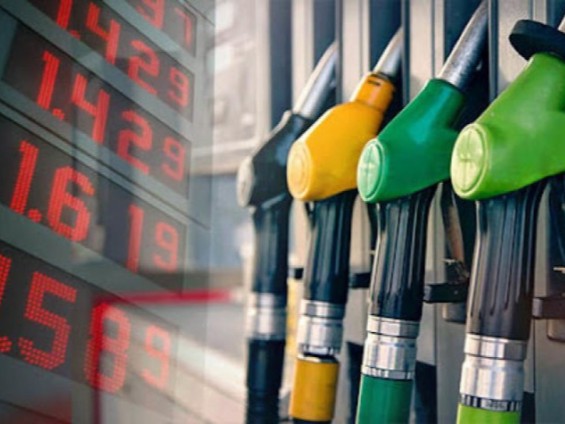
Some Oil Marketing Companies (OMCs) have started increasing the prices of petroleum products at the pumps, in line with industry projections of significant hikes.
A major player in the industry, Star Oil, has taken the lead, selling a litre of petrol at GH¢13.67, up from its previous price of GH¢12.79.
Diesel prices have also increased significantly, rising from GH¢14.95 on July 1, 2026, to GH¢16.27 per litre.
JOYBUSINESS understands that more OMCs are expected to adjust their prices later today [Friday] in response to market developments.
A review of Star Oil’s price quotes shows that the company has priced above the industry’s approved price floor for petrol, which is GH¢13.38, and diesel, which is GH¢16.27.
According to the National Petroleum Authority (NPA), no Oil Marketing Company or LPG Marketing Company is permitted to sell petroleum products below the approved price floor during the pricing window.
Reasons behind projected increases
Data from the Chamber of Oil Marketing Companies (COMAC) indicate that petrol prices are expected to increase by between 3.79% and 5.31%, with a litre projected to sell at about GH¢14.52.
Diesel prices are also expected to rise by about 7 pesewas per litre, pushing the pump price to around GH¢16.00 per litre.
LPG prices are projected to increase by between 1.10% and 1.30% per kilogramme.
According to COMAC, the upward adjustment has been driven by renewed geopolitical tensions, which have pushed up international crude oil and refined petroleum product prices amid concerns over supply disruptions and shipping security through the Strait of Hormuz.
The Chamber also noted that the Ghana cedi weakened slightly during the pricing period.
For the July 16 pricing window, the exchange rate moved from GH¢11.4333 to GH¢11.4970 per US dollar, representing a 0.55% depreciation.
International oil prices also experienced sharp fluctuations. Average crude prices initially declined by 7.96%, from US$78.12 per barrel to US$71.90 per barrel.
However, prices rebounded following reports of a ceasefire breach on July 7 and 8. By July 14, Brent crude had climbed above US$84 per barrel after reports of Iranian missile strikes on two UAE tankers, heightening concerns over shipping through the Strait of Hormuz.
The renewed uncertainty restored a geopolitical risk premium to the oil market, reversing part of the earlier decline in crude prices.
Among refined petroleum products, diesel recorded the largest increase at 8.14%, followed by petrol at 4.96%, while LPG prices declined marginally by 0.92% on the international market.
Meanwhile, market leader GOIL PLC has also adjusted its prices, with petrol increasing from GH¢12.79 to GH¢13.88 per litre.
Diesel prices have also risen from GH¢15.35 to GH¢16.30 per litre.
A review of GOIL’s new prices indicates that the company has also priced above the minimum price floor set by the industry regulator, the NPA.
Latest Stories
-
Korle Bu appeals for more doctors, nurses as A&E Centre struggles under pressure
11 minutes -
AFCON 2027Q: ‘I’m optimistic Black Stars can turn things around’ – Agyemang-Badu
12 minutes -
Digital innovation could widen Africa’s inequalities if people are left out – Sam Jonah
14 minutes -
Galamsey is an economic, health and moral problem – Sam Jonah
17 minutes -
Africa must create AI technology instead of paying to use it – Sam Jonah
20 minutes -
2026 U-17 WWC: Black Maidens to face Norway, Brazil and Canada in Group C
24 minutes -
Agbodza, Sam George move to curb fibre optic cable cuts during road works
31 minutes -
2026 U-17 WWC: Black Maidens unveils 21-player squad for competition in Morocco
33 minutes -
South Africa evacuation and the minority’s half-truth
40 minutes -
‘You never know tomorrow’ – Anthony Baffoe on contesting for GFA Presidency
43 minutes -
Obuasi SHS head accused of sexually abusing students is NDC Juaben secretary seeking chairmanship
1 hour -
Cedi depreciates by 7.11% against dollar in August 2026 – BoG report
1 hour -
Put women and youth at the centre of mineral resource governance — ActionAid
1 hour -
Theovision provides free healthcare to 2,500 rural residents and Ejura prison inmates
2 hours -
UG warns public against fake resumption and hall fees notice
2 hours